The Maldivian open support against Pakistan in OIC is a victory of Indian diplomacy, writes Jai Kumar Verma for South Asia Monitor


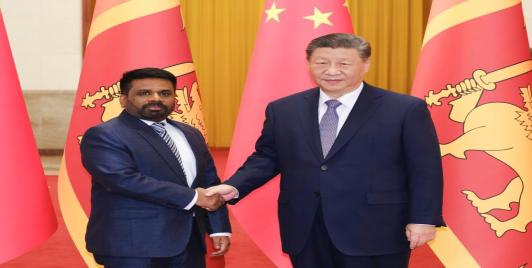
China’s growing influence on small countries thus extends far beyond trade and infrastructure. It shapes debates on governance, challenges democratic norms, and pressures sovereign states to align with Beijing’s priorities. For nations like Sri Lanka and Nepal, the dilemma is stark
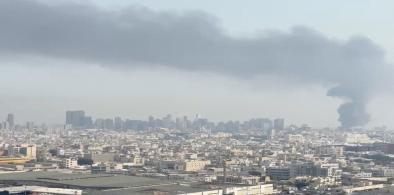
Here is something that is perhaps not widely reported. According to this account, Iranian forces were able to destroy a significant part of the logistics infrastructure supporting these large carrier operations. They struck the central logistics hub in Bahrain very early in the conflict.
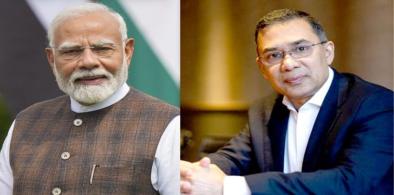
Bangladesh's Prime Minister need not visit India simply to keep relations cordial, but when engagement can advance its interests, refusing engagement becomes a cost of its own. The objective should be to preserve leverage through engagement, not to mistake rigidity for leverage.
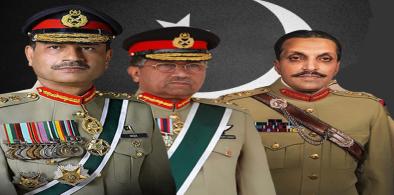
However, the political situation has gradually begun to show currents that may move against Munir. The Supreme Court of Pakistan’s order to shift former Pakistan Prime Minister Imran Khan, Munir’s arch-rival, to a private hospital and the statement by the US Ambassador to India, Sergio Gor affirming that J&K is "an important part of India", reinforces the impression of classic temporariness and limited strategic relevance of Pakistan in US-Pak relations.
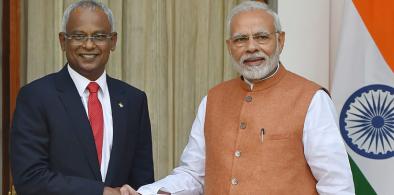
The Maldivian open support against Pakistan in OIC is a victory of Indian diplomacy, writes Jai Kumar Verma for South Asia Monitor
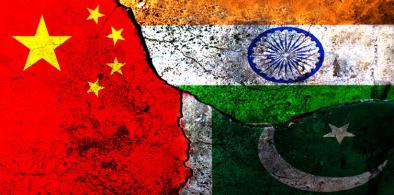
Taking into consideration the zero-sum nature of Pakistan-India relations, Islamabad maybe compelled to acquire arms in a tit-for-tat response to New Delhi, writes Maham S. Gillani for South Asia Monitor
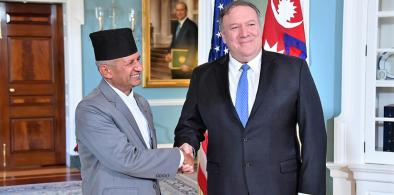
The US aid under MCC is a golden opportunity for Nepal to look beyond India and China and seek greater engagement with other powers and to derive economic benefit and relinquish meaningless geopolitical adventures, writes Vikash Kumar for South Asia Monitor
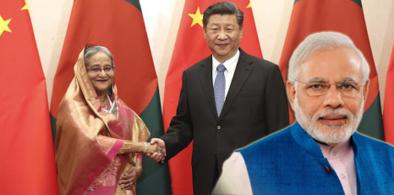
Bangladesh is a very important neighbour for India. The fulcrum of India’s Act East policy and vital for development of India’s North East, it has a major role in the success of BIMSTEC, writes Maj Gen Alok Deb (retd) for South Asia Monitor
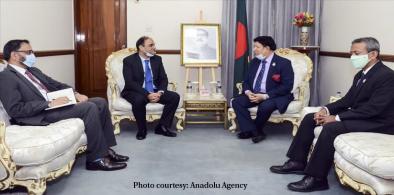
Bangladesh Foreign Minister A K Abdul Momen met Pakistan’s High Commissioner Imran Ahmed Siddiqui in Dhaka on July 1. According to a media report, the meeting indicates a possible thaw in bilateral relations, writes Mahendra Ved for South Asia Monitor

Given the doctor-dependent, top-heavy nature of our healthcare system, creating a functional telemedicine network in rural areas by leveraging the vast spread of Community Health Centre (CHC) and PHCs will help increase access to quality medical care, writes Vikram Thaploo for South Asia Monitor

The COVID-19 crisis has slowly generated a new kind of waste made up of disposable masks, gloves and other personal protective equipment (PPE) items, writes Mahmuda Amir Eva for South Asia Monitor
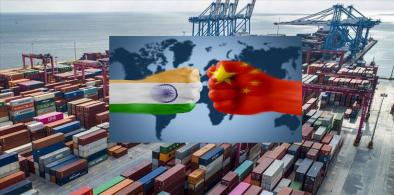
The dragon’s shadow has lengthened over the South Asian region as it has rapidly developed port and transport infrastructure, some of it as part of its Belt and Road Initiative, writes N Chandra Mohan for South Asia Monitor
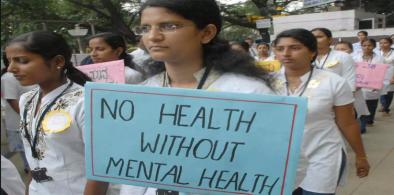
India has been dubbed by the World Health Organisation (WHO) as the most depressed country in the world. The numbers themselves are pretty frightening, writes Dr. Lovleen Malhotra for South Asia Monitor

President Gotabaya Rajapaksa set a fine example of neutrality of the public service in the forthcoming general elections by instructing that no public official serving in the security forces, government service, corporations, boards, and statutory bodies should engage in political activities, writes Sugeeswara Senadhira for South Asia Monitor
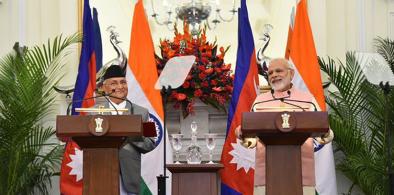
The use of anti-India sentiment is an old stratagem used by Nepalese politicians to assert their own relevance and divert attention away from the real problems facing Nepal, writes Shakti Sinha for South Asia Monitor
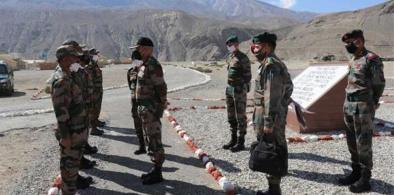
China’s fresh illegal claims on Bhutanese territory could lead to PLA intrusions to pressure India and orchestrate another standoff, writes Lt Gen P. C. Katoch (retd) for South Asia Monitor
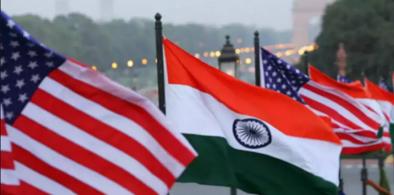
India has been careful to maintain that its closer ties with the US and its Indo-Pacific partners were not directed against anyone – diplomaticspeak that they weren't meant to be anti-China, writes Arul Louis for South Asia Monitor
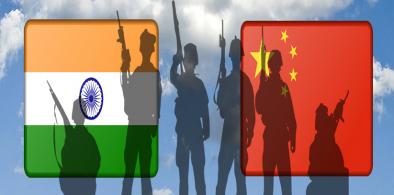
The declaration of truce on July 6, the 85th birthday of exiled Tibetan spiritual leader, Dalai Lama and two days after the Dharma Chakra Day on July 4, reminds of Buddha’s message that was carried by Indians to China, writes Rajendra Shende for South Asia Monitor

The data on the growth rates in Gross Domestic Product between 2015 to 2020 show that South Asia would show the maximum decline in 2020 after growing the fastest between 2015-2019 at an annual average rate of 6.1 percent as compared to 4.8 percent for Southeast Asia and 6.0 percent for East Asia, writes Partha Pratim Mitra for South Asia Monitor