

Deforestation Disrupting Ecosystems, Creating Habitat Loss of Wildlife in Pakistan: Needed Targeted Policy Interventions
Deforestation in Pakistan is a pressing issue with serious implications for wildlife and ecological balance. Habitat loss, human-wildlife conflict, and ecosystem disruption are already evident, and the situation will worsen without decisive action. While initiatives like large-scale tree planting are a step in the right direction, they must be complemented by strong policies, effective enforcement, and community involvement.
 May 02, 2026
Deforestation in Pakistan is not merely an environmental issue; it is a growing national crisis that threatens wildlife, ecological stability, and long-term human well-being. With one of the lowest forest cover rates in the region, Pakistan has been steadily losing its already limited forests due to population pressure, illegal logging, agricultural expansion, and urban development. While initiatives like the Billion Tree Tsunami have raised awareness, deforestation continues to impact wildlife across regions such as Khyber Pakhtunkhwa, Gilgit-Baltistan, and parts of Sindh. The consequences are severe: shrinking habitats, increased human-wildlife conflict, and disrupted ecosystems. Addressing this issue requires not only recognition of its urgency but also strong, targeted policy interventions.
Habitat Loss and Biodiversity Decline
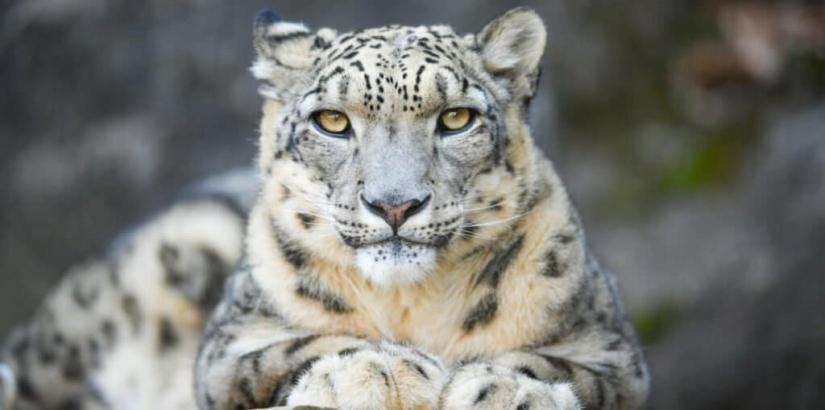
The most immediate effect of deforestation in Pakistan is habitat loss. Forests in areas like Chitral, Swat, and the Margalla Hills provide shelter to diverse species, including the snow leopard, markhor, black bear, and various bird species. When trees are cut down, these animals lose their natural homes and are forced into smaller, fragmented habitats. In Pakistan’s northern areas, deforestation has already reduced forest density, limiting the availability of food and breeding grounds for wildlife. As habitats shrink, animals face increased competition, which weakens populations over time. For species already endangered, such as the snow leopard, continued habitat destruction can push them closer to extinction.
Rising Human-Wildlife Conflict
Deforestation has also intensified human-wildlife conflict across Pakistan. As forests are cleared, animals often venture into nearby villages in search of food. In Khyber Pakhtunkhwa and Balochistan, reports of leopards and wild boars entering agricultural lands have become more frequent. This leads to crop damage, livestock loss, and, in some cases, threats to human safety. In response, local communities may kill or injure these animals, further reducing wildlife populations. These conflicts highlight a key issue: the absence of clear boundaries between human settlements and natural habitats. Without proper land-use planning and conservation measures, such conflicts are likely to increase.
Disruption of Ecosystems
Beyond individual species, deforestation disrupts entire ecosystems in Pakistan. Forests play a vital role in maintaining ecological balance by supporting food chains, regulating climate, and protecting soil. When trees are removed, soil erosion increases, water cycles are disturbed, and local climates become more unstable. This not only affects wildlife but also human populations that depend on these ecosystems for agriculture and water resources. For example, deforestation in northern Pakistan has been linked to increased flooding and landslides, demonstrating how environmental degradation can have direct human consequences.
Policy Measures to Address Deforestation
Addressing deforestation in Pakistan requires comprehensive and practical policy measures. First, the government must strengthen enforcement against illegal logging. Although laws exist, weak implementation allows illegal activities to continue, particularly in remote areas. Increasing monitoring, using satellite technology, and involving local communities in reporting can improve accountability.
Second, community-based forest management should be expanded. When local populations are given a stake in protecting forests—through incentives, education, and shared benefits—they are more likely to conserve rather than exploit these resources.
Third, Pakistan needs better land-use planning to define protected areas and buffer zones. Expanding national parks and wildlife reserves, especially in biodiversity-rich regions, can provide safe habitats for endangered species while reducing human-wildlife conflict.
Fourth, alternative energy sources must be promoted to reduce dependence on firewood. In many rural areas, deforestation is driven by the need for fuel. Providing access to affordable alternatives such as gas or solar energy can significantly reduce pressure on forests.
Finally, public awareness and education campaigns should be strengthened. Informing citizens about the environmental and economic consequences of deforestation can encourage more responsible behavior and support for conservation policies.
Deforestation in Pakistan is a pressing issue with serious implications for wildlife and ecological balance. Habitat loss, human-wildlife conflict, and ecosystem disruption are already evident, and the situation will worsen without decisive action. While initiatives like large-scale tree planting are a step in the right direction, they must be complemented by strong policies, effective enforcement, and community involvement. Protecting forests is not just about saving trees—it is about preserving the natural systems that sustain life in Pakistan.
References
World Wildlife Fund Pakistan. (n.d.). Forests in Pakistan.
Food and Agriculture Organization. (n.d.). Underlying causes of deforestation in Pakistan.
Anadolu Agency. (2025). Pakistan loses forest cover annually: WWF report.
Agri Economist. (2024). Forests in Pakistan: Vital for climate stability.
World Rainforests. (n.d.). Pakistan forest information and data.
Pakistan Today. (2025). Northern Pakistan’s forests and wildlife under threat.
Pakistan Today. (2025). Country’s forest cover shrinks, triggering environmental crisis.
Springer. (2013). Deforestation trends in northern Pakistan: A case study of Chitral.
Pakistan Journal of Scientific and Industrial Research. (n.d.). Forest cover change and environmental impact in Pakistan.
(The author is a Pakistani zoologist with a focus on wildlife conservation, mountain ecosystems, and the role of environmental cooperation in protecting endangered species. Views expressed are personal. She can be contacted at zonamumtazz@gmail.com )





Post a Comment