
Rabindranath Tagore and Kazi Nazrul Islam

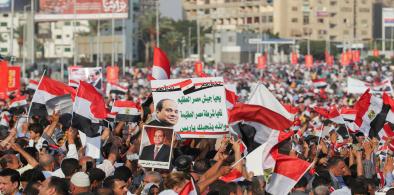
राजनीतिक रणनीति के रूप में भीड़ का शासन: बांग्लादेश की धर्मनिरपेक्ष स्मृति और बहुलतावादी बंगाली संस्कृति का पुनर्गठन

1971 के आदर्श समावेशन, मानवीय गरिमा और उत्पीड़न के विरुद्ध प्रतिरोध का प्रतिनिधित्व करते हैं। बाउल और सूफ़ी परंपराएँ कट्टर विचारों को अस्वीकार करती हैं और मानवतावाद तथा सह-अस्तित्व को बढ़ावा देती हैं। बंगाल में इस्लाम का आगमन मुख्यतः सूफ़ियों के माध्यम से हुआ—जो फ़ारस, अरब और मध्य एशिया से आए थे—और जिन्होंने आध्यात्मिकता, सहिष्णुता और समायोजन पर ज़ोर दिया। ये परंपराएँ स्थानीय हिंदू परंपराओं के साथ मेल खाती रहीं और बाउल दर्शन जैसे समन्वित (सिन्क्रेटिक) रूपों का उदय हुआ। रवीन्द्रनाथ टैगोर और काज़ी नज़रुल इस्लाम इस सभ्यतागत समन्वय के प्रतीक हैं।

ईयू–भारत एफटीए: प्रचार और वास्तविकता के बीच

इन सभी तथ्यों को एक साथ देखने पर यह स्पष्ट होता है कि समझौते पर हस्ताक्षर से लेकर उसके वास्तविक लागू होने तक का रास्ता, शुरुआती प्रचार में बताए गए अनुमान से कहीं अधिक लंबा और अनिश्चित हो सकता है। यद्यपि यूरोपीय संघ–भारत मुक्त व्यापार समझौता (ईयू–इंडिया एफटीए) बड़े आर्थिक अवसरों और रणनीतिक लाभों का वादा करता है, लेकिन इसकी अंतिम सफलता यूरोपीय संसद के भीतर जटिल राजनीतिक समीकरणों को साधने और व्यापक भू-राजनीतिक परिस्थितियों का प्रभावी ढंग से सामना करने पर निर्भर करेगी।

अमेरिका बांग्लादेश को कैसे गलत समझता है: संदिग्ध चेहरों का समर्थन खतरनाक नतीजे ला सकता है

बांग्लादेश लगभग पूरी तरह भारत से घिरा हुआ है, जबकि उसके पूर्वी हिस्से में म्यांमार की एक छोटी-सी सीमा लगती है। भारत इस क्षेत्र की प्रमुख शक्ति है और आर्थिक, सांस्कृतिक तथा सुरक्षा के लिहाज़ से बांग्लादेश का सबसे महत्वपूर्ण पड़ोसी भी है। बांग्लादेश में कोई भी अमेरिकी रणनीति, जो भारत को नज़रअंदाज़ करती है, स्वभावतः त्रुटिपूर्ण है। पाकिस्तान के साथ क्षेत्रीय स्तर पर तालमेल बनाना—जिस देश के साथ बांग्लादेश का इतिहास बेहद पीड़ादायक रहा है—ढाका में वाशिंगटन को कोई ठोस रणनीतिक लाभ नहीं देता।

वायु प्रदूषण की कोई सीमा नहीं होती: काठमांडू पर छाया स्मॉग एक क्षेत्रीय विफलता है

जैसा कि विश्व बैंक ने कहा है, जब प्रदूषण स्वयं सीमाओं को नहीं मानता, तब केवल राष्ट्रीय स्तर पर किए गए अलग-थलग प्रयास पर्याप्त नहीं होते। भारत, नेपाल, बांग्लादेश और पाकिस्तान एक ही एयरशेड (साझा वायु क्षेत्र) में आते हैं। सहयोग के बिना, हर देश अपने पड़ोसी की गलतियों की हवा में सांस लेता रहता है।
“वायु प्रदूषण से प्रभावित सबसे बड़ी आबादी का प्रतिनिधित्व करने वाली सरकार होने के नाते भारत को इस प्रयास का नेतृत्व करना चाहिए था। इसके बजाय, यह क्षेत्र सहयोग से दूर होता चला गया है और इसकी कीमत विनाशकारी रही है,” डॉ. सुबेदी ने कहा।

More on Reprints

What the Gaza conflict means for South Asia

As the latest conflict between Israel and Palestine approaches the two-week mark, it’s worth asking what the crisis means for South Asia, which borders the Middle East

Why India’s COVID-19 vaccine rollout is faltering – podcast

In this episode of The Conversation Weekly podcas, as India’s COVID-19 crisis continues, we look at what’s holding back the country’s vaccination rollout and how a shift in strategy on distribution and pricing is causing concern. And we speak to a researcher who went hunting for fungi in the world’s largest seed bank.

India COVID crisis: four reasons it will derail the world economy

The second wave of the pandemic has struck India with a devastating impact

COVID-19 in India: an unfolding humanitarian crisis

There have been many predictions about how many people have had COVID-19 and whether or not this or that country has reached herd immunity. We have seen this before in Manaus, Brazil, and in. The optimism is alas always misplaced and occasionally used irresponsibly

India prepares for Kumbh Mela, world's largest religious gathering, amid COVID-19 fears

Hindu devotees attend evening prayers on the banks of the Ganges River during the religious Kumbh Mela festival in Haridwar, India

Mild winter in Afghanistan threatens staple potato crop

Hussain Ali Rezaie takes a break from the backbreaking labour of working his land by hand. He expresses concern about a lack of snowfall this winter in his mountainous province of Bamiyan, in central Afghanistan – and what it might mean for his potatoes

Nepal elephant ride operators illegally selling animals to India

Padam does not remember when he began keeping elephants at his hotel

Why India is banking on health diplomacy to grow African footprint

India has stepped up its global ambitions and foreign policy re-engagement with African countries in recent years. Its bilateral trade from $7.2 billion in 2001 to $63 billion in 2017/18. India is now the third largest export destination and the fifth largest investor on the continent

Budhi Gandaki: Nepal’s mega-dam remains a mirage

Plans to build Nepal’s biggest ever hydropower project have gone through a bewildering series of politically motivated changes since 2011

Safe water costs 40 times more in coastal Bangladesh than cities

Twice a week, 50-year-old Brajasundari loads a collection of jerrycans onto a pedal cart, climbs aboard and travels three kilometres from her village Kanchrahati to buy water

Water is not distributed evenly across Pakistan

The allocation of the waters of the Indus river system between the provinces of Pakistan was a historic agreement

Climate change adds to woes of lentil farmers in Nepal

After the Hindu festival of Dashain in October, farmers across Nepal head to their fields to harvest their prized rice paddy crop

Eight Hindu Kush Himalayan countries issue a united call

The Hindu Kush Himalayas may finally get a united eight-country voice to safeguard its ecosystem, if the governments of Afghanistan, Bangladesh, Bhutan, China, India, Myanmar, Nepal and Pakistan keep the promises made by their ministers and representatives at a virtual summit this October

The many stories of Diwali share a common theme of triumph of justice

As many Indian Americans celebrate the election of the first Black and South Asian woman, Kamala Harris, to the White House, many will also be celebrating the festival of Diwali on Saturday, Nov. 14

Rare green immersion stands out after Durga Puja

The immersion of idols to mark the end of Durga Puja festival continued to pollute the Ganga this year in Kolkata – the epicentre of the annual event