Riding the global strategic shift in manufacturing, India is on the cusp of attractive large-scale domestic and foreign investors by incentivizing supply chain manufacturing


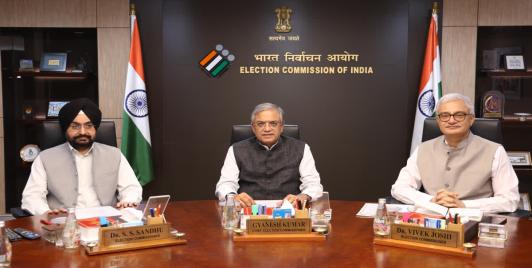
The Election Commission belongs neither to the government of the day nor to the Opposition. It belongs to the people of India. Its first duty is to protect the citizens' vote. That is the standard by which the CEC, the two ECs should be examined.
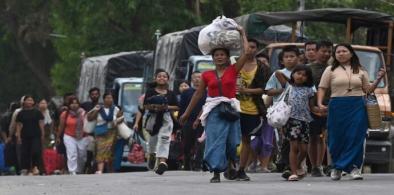
Manipur therefore needs to move beyond the language of relief and towards the language of restoration. The ultimate measure of recovery will not be how many camps have closed. It will be how many families can safely return, rebuild their livelihoods, educate their children, access justice and live without fear.
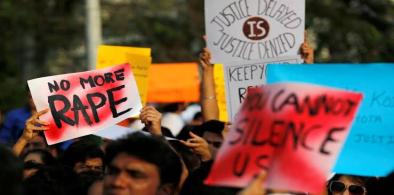
The Chopra siblings' murder in 1978, the Nirbhaya case of 2012, R.G. Kar Kolkata in 2024 and Kalkaji in 2026 belong to different historical contexts. Yet they reveal a recurring difficulty in Indian governance: we are capable of extraordinary mobilisation after extraordinary violence, yet less consistent at converting that mobilisation into permanent institutional practice.

The Tata group is a national icon, a picture of enterprise, growth and service packed in a business model that many Indians cherish and hold as an exemplar. That model, in which the bulk of a great enterprise’s profits flows to charitable trusts for the public good, is rare anywhere in the world.
Riding the global strategic shift in manufacturing, India is on the cusp of attractive large-scale domestic and foreign investors by incentivizing supply chain manufacturing

It would be appropriate to design a comprehensive plan for India to create 10,000 unicorns in the next 25 years and with a few hundred becoming decacorns - enterprises with a valuation of over $10 billion. These enterprises alone could add over $12 trillion to India’s GDP.
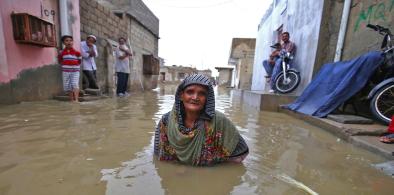
It is important to note that India has sufficient food stocks to be able to help the affected people in flood-ridden Pakistan. There is an urgent need to ease border restrictions at least to the levels of 2009 to provide easy access to food and relief materials
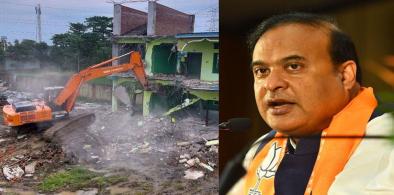
While the Assam government must sustain its present moves against radicalisation, New Delhi must be firm in ensuring that insidious attempts/activities by anti-Indian elements/groups are neutralised effectively in the Northeast, Jammu and Kashmir and some other states
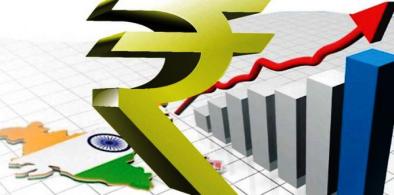
So, the assessment for the fifth largest economy is that this is a slowing phase, as growth drivers need to pick up along with investor sentiment

Efforts should be made to translate the literary heritage of each state and union territory into each of the national languages of India. This will create a whole new education, employment and business ecosystem in the publishing and media industries, sensitising each Indian to the national and civilisational heritage they inherited and building a sense of unity and common purpose.

The progress of the Montreal Protocol till now is, however, not without hiccups and bumps

Both these carriers, which are floating cities with massive flying and firepower, still do not adequately fulfill India’s maritime force requirement. With two vast seaboards and the Indian Ocean region and two rogue adversarial nations, the considered assessment by old-salt veterans is that even three aircraft carriers, meaning two on the sea and one in refit, are not enough
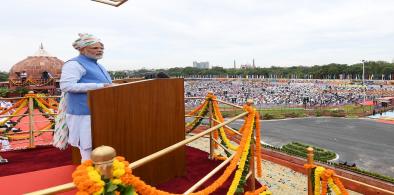
The other pillars of democracy, the judiciary and media, must remain steadfastly independent and impartial guardians of the Constitution. The people still repose their greatest faith in them to protect their rights and uphold their aspirations
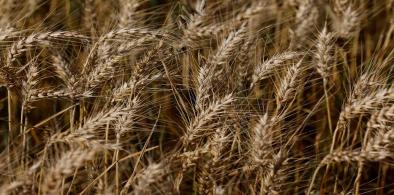
Thus, more than one third of the world’s hungry and undernourished people are in India, which is alarming and embarrassing, if not shameful. India’s rank in the global hunger index also (GHI) has dropped to 101 out of 116 countries
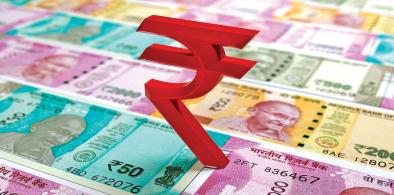
Days are ahead when the rupee will tend to become fully convertible. Full convertibility means fully capital account convertibility in the balance of payment. It opens the market for foreign investors, businessmen and trade partners
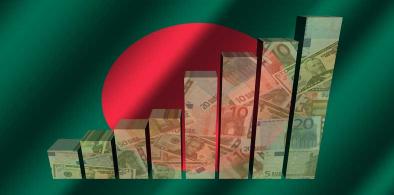
Bangladesh is going through a tough economic situation; the government’s two largest sources of foreign currency revenues are the export of readymade garment products and remittances from overseas. Remittances are already suffering
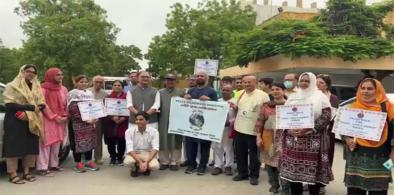
This is part of a long tradition of celebrating the two countries’ independence days together, started by activists like the late Dr Mubashir Hasan, Nirmala Deshpande, Asma Jahangir, Kuldip Nayar, and others. Peace groups on either side have been doing this for a couple of decades now, even as administrations in both countries try to prevent them

The basis of all Indian philosophy is the recognition of divinity in the human species and giving respect to all faiths and shades of opinion
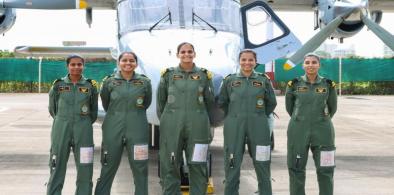
Over the years, women officers in the Indian armed forces have begun notching various types of achievements