China has deployed high altitude artillery guns in Tibet amid the ongoing border tension with India in eastern Ladakh



Remittances have become an unusually large source of external finance for South Asia. But a development model in which workers migrate because domestic employment is inadequate, and then send income home to support domestic consumption, cannot indefinitely substitute for creating productive employment at home.

In 2025, Sri Lanka was ranked as the second most expensive housing market in the world based on rentals compared to average income. It is possible that market distortions caused by black economy and corruption have contributed to this.
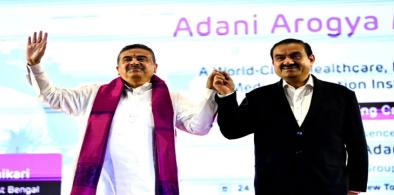
The larger opportunity before West Bengal is therefore not another round of infrastructure creation in isolation. It is the creation of an ecosystem in which infrastructure, private capital, local enterprise and skilled labour reinforce one another.
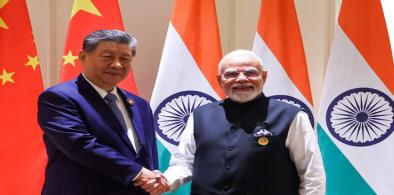
Why not begin by reopening serious discussions with Chinese conglomerate BYD about an Indian factory? BYD is now one of the world’s dominant EV manufacturers. Its Indian ambitions were caught in the post-Galwan investment freeze. Invite it back to the table—but on Indian terms
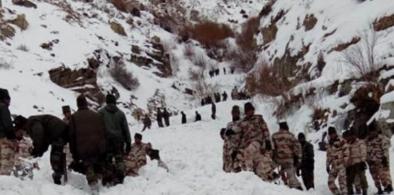
China has deployed high altitude artillery guns in Tibet amid the ongoing border tension with India in eastern Ladakh
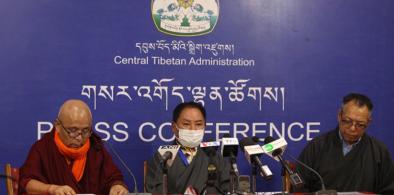
The 10th session of the 16th Tibetan Parliament-in-exile scheduled to take place from September 16-24 has been postponed until March 2021, it was announced on Monday
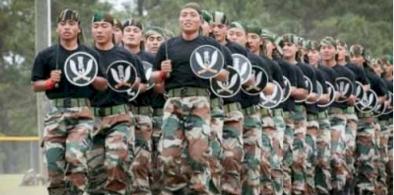
China has given 12.7 lakh Nepalese rupees to a Kathmandu-based NGO to carry out a study on what motivates Gorkha community members to join the Indian Army
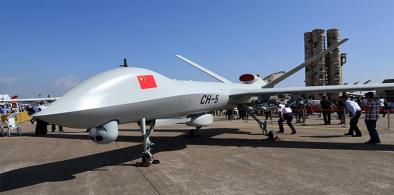
China is helping Pakistan to boost its firepower by selling it state-of-the-art defence items, including armed drones, even as it is engaged with India at the borders in eastern Ladakh
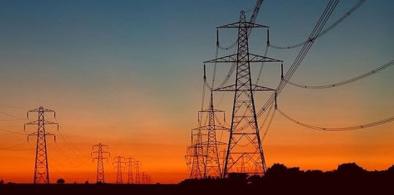
In another positive development, Chinese authorities have also indicated to Pakistan’s top notches that they would also review the power purchase agreements (PPAs) of the independent power producers (IPPs) installed under China Pakistan Economic Corridor (CPEC) umbrella keeping in view the rising circular debt and other power sector financial woes adversely impacting the country's economy, a senior top official at Power Division told The News
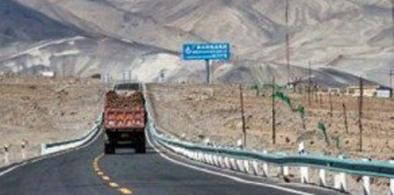
The Pakistan government has decided to improve visibility of the flagship China-Pakistan Economic Corridor (CPEC), days before foreign minister’s visit to Beijing where he will discuss new priorities of the country
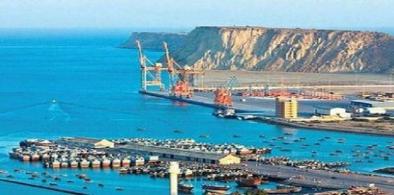
Pakistan Army has said that security of the China-Pakistan Economic Corridor (CPEC) has been further enhanced. On Thursday, Major General Babar Iftikhar, director general of army's media wing, the Inter-Services Public Relations, said all formations deployed for the security of CPEC have been further equipped and become more active, reports Xinhua news agency

Nabbed in a crackdown on a multi-billion hawala racket operating in Delhi-NCR, Luo Sang, alias Charlie Peng, is suspected to be an agent of the Chinese intelligence service, the Ministry of State Security (MSS)
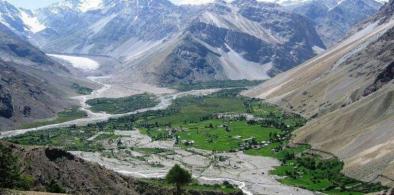
Pakistan, in violation of international laws and defiance of its own Constitution, has given a free hand to Chinese mining companies to plunder natural resources in the occupied Gilgit Baltistan (GB) area

China’s civil aviation regulator has announced that SriLankan Airlines’ Colombo-Shanghai flight and two other airlines would be suspended after several passengers tested positive for COVID-19 on recent flights, Xinhua reported
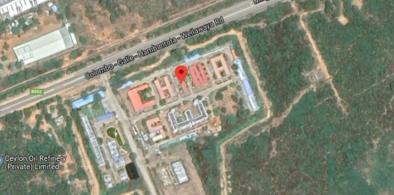
The Chinese Embassy in Sri Lanka has replied to reports about the google map image that had emerged in social media showing multiple buildings in Hambantota spelling out ‘CHINA SW’ saying that it was initially constructed to show ‘CHINA ❤️ SLK.’
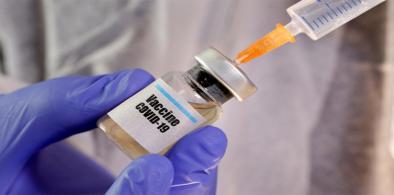
Bangladesh is in no hurry to start a late-stage human trial of a vaccine for the novel coronavirus, developed by China’s Sinovac Biotech Ltd, according to the country's top health officials

India's Income Tax Department on Tuesday mounted a search at various premises of identified Chinese entities, their close confederates and couple of bank employees

The good news on the economic front has started to roll in once again, with the latest being China-based Oryx Biotech's announcement to invest $300 million to set up a plasma fractionation plant in Bangladesh
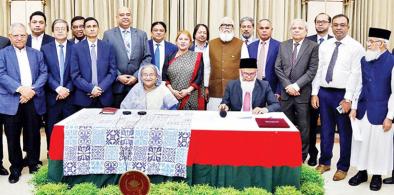
Salman F Rahman, advisor to Bangladesh Prime Minister Sheikh Hasina, and policymakers have asked Chinese entrepreneurs to invest in the country and export products back to Beijing using the duty-free access facility