Bangladesh is "outraged" to witness Myamar's another "blatant demonstration of falsehood and fabrication of facts" in the ongoing UN General Assembly (UNGA), and shared the situation on the ground before the international community


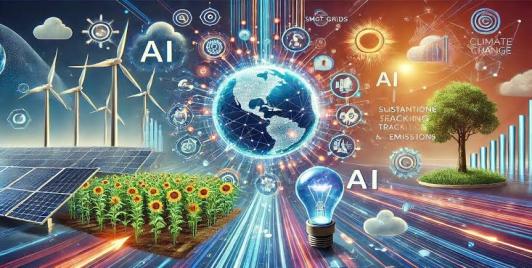
South Asia’s climate risks are shared across countries. Rivers such as the Ganga, Brahmaputra and Indus do not respect national boundaries, and torrential rains in one country can lead to floods in another. Satellite data, flood forecasts and flood warnings could, therefore, be shared to enhance disaster preparedness across the region.
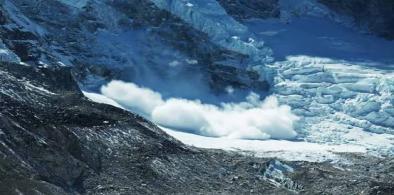
The disasters at Kedarnath and Nepal should therefore be read not simply as tragedies of the past or isolated episodes of extreme weather. They are warnings from a changing mountain system. The question before South Asia is whether we will continue to respond to each disaster after it occurs, or whether we will listen to what the mountains are telling us beforehand.
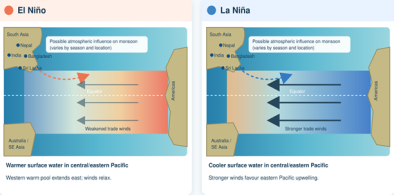
AI may genuinely extend the horizon over which seasonal climate risk can be estimated. For communities across South Asia living under the influence of the monsoon, a longer view could mean the difference between a farmer adjusting her planting in time and a family receiving a flood warning too late to act.
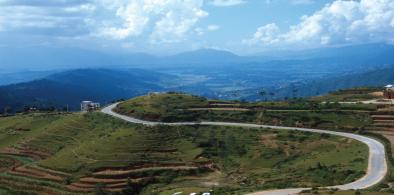
The broader lesson for South Asia is equally important. Hilly regions cannot be developed simply by transferring lowland infrastructure models into mountainous terrain. Investment has to respond to local economic systems, geography and environmental risks.
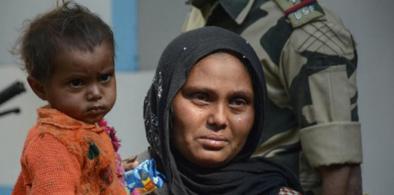
Bangladesh is "outraged" to witness Myamar's another "blatant demonstration of falsehood and fabrication of facts" in the ongoing UN General Assembly (UNGA), and shared the situation on the ground before the international community
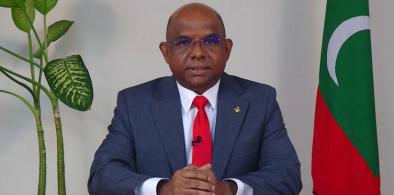
The Maldives has called for necessary reforms to be brought to the United Nations
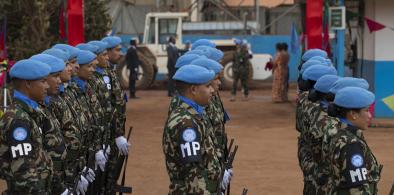
The United Nations honoured UN peacekeepers, including Nepali nationals in South Sudan, during a function held in Kathmandu
India has urged the international community to redress deficiencies at the global level to ensure that perpetrators of the Mumbai and Pathankot terror attacks are brought to justice
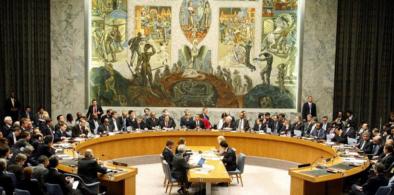
Bhutan's Prime Minister Lotay Tshering has supported G4 countries' bid for United Nations security council reforms (UNSC). G4 countries that have been calling for UNSC reforms include India, Germany, Brazil and Japan

Nepal’s Prime Minister K P Oli and heads of state and governments from over 64 countries have committed to reverse nature loss by the end of the decade to fulfil the United Nation’s Sustainable Development Goals (SDGs)
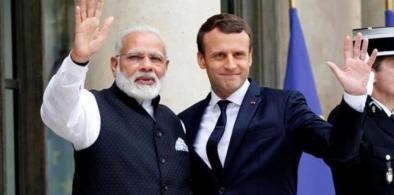
Modi and Macron are the "Champions of Earth". Now they should join hands to champion the global action through ACE -Alliance for (COVID19) Eradication, writes Rajendra Shende for South Asia Monitor
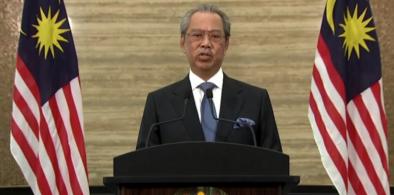
Pakistan lost Malaysia's public support on its Kashmir stand as Prime Minister Muhyiddin Yassin made no mention of it in his speech on Saturday to the High-Level Meeting of the General Assembly, reversing last year's volatile stand of Mahathir Mohamad
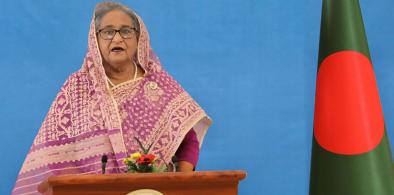
Bangladesh Prime Minister Sheikh Hasina has reminded the international community that the fates of people across the globe were intertwined amid the COVID-19 pandemic, as she called on world leaders to ensure that any proven vaccine is made accessible to all at the same time
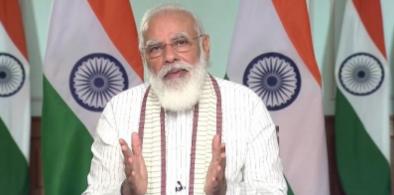
India's Prime Minister Narendra Modi's United Nations General Assembly speech on September 26 stands out among the few this year at the virtual talkfest which offered up ideas and approaches as complements to soothe the collective anxiety of a global quarantined audience
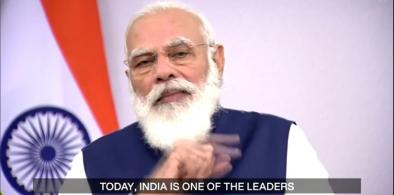
Presenting India as a global power for universal good, India Prime Minister Narendra Modi launched its pharmadiplomacy promising the world on Saturday that the nation's vaccine manufacturing capability will “help all humanity” in fighting the COVID-19 pandemic, assuring global leaders whose worries about its availability has been a dominant concern at the General Assembly
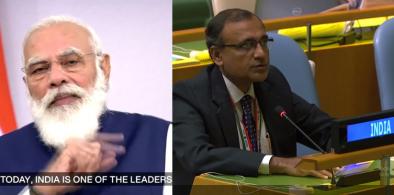
With India set to become an elected member of the Security Council next year, Prime Minister Narendra Modi presented an upbeat forward-looking agenda stressing its contributions to the global good, while also pointing out the shortcomings of the UN
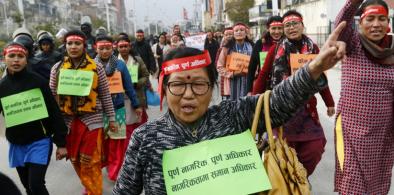
Two UN rapporteurs and one independent expert on protection against violence and discrimination based on sexual orientation, gender identity and discrimination against women and child have expressed serious concern over some of the provisions proposed in the citizenship bill currently being debated in Parliament
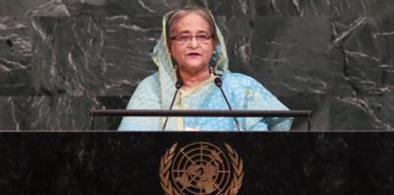
Bangladesh Prime Minister Sheikh Hasina will virtually address the 75th session of the UN General Assembly (UNGA) on Saturday, during which she highlight a numbr of issues, including the COVID-19 pandemic, Rohingya crisis and climate change
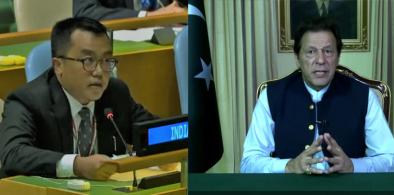
India turned the mirror on Pakistan after its Prime Minister Imran Khan delivered a speech at the UN dripping vitriol, and recalled its record of genocide in Bangladesh, being a haven for terrorists and suppression of minorities