The creative and cultural industry has played an essential role the world over throughout the COVID-19 pandemic and deserve more support moving forward, the President of the General Assembly said on Friday


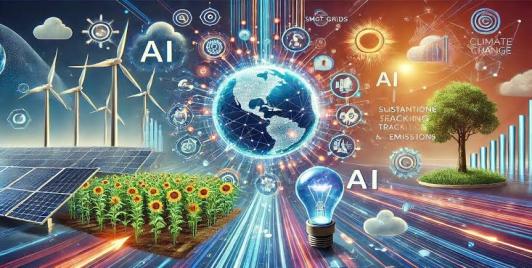
South Asia’s climate risks are shared across countries. Rivers such as the Ganga, Brahmaputra and Indus do not respect national boundaries, and torrential rains in one country can lead to floods in another. Satellite data, flood forecasts and flood warnings could, therefore, be shared to enhance disaster preparedness across the region.
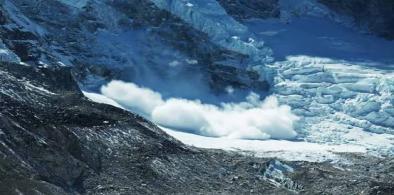
The disasters at Kedarnath and Nepal should therefore be read not simply as tragedies of the past or isolated episodes of extreme weather. They are warnings from a changing mountain system. The question before South Asia is whether we will continue to respond to each disaster after it occurs, or whether we will listen to what the mountains are telling us beforehand.
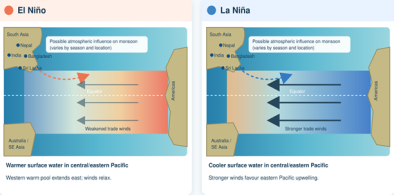
AI may genuinely extend the horizon over which seasonal climate risk can be estimated. For communities across South Asia living under the influence of the monsoon, a longer view could mean the difference between a farmer adjusting her planting in time and a family receiving a flood warning too late to act.
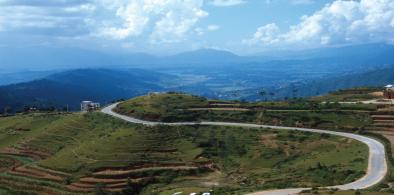
The broader lesson for South Asia is equally important. Hilly regions cannot be developed simply by transferring lowland infrastructure models into mountainous terrain. Investment has to respond to local economic systems, geography and environmental risks.

The creative and cultural industry has played an essential role the world over throughout the COVID-19 pandemic and deserve more support moving forward, the President of the General Assembly said on Friday

Improved Internet access and connectivity can do more than urban migration to provide better jobs and higher standards of living for the roughly 3.4 billion people living in rural areas, according to the latest World Social Report, published on Thursday
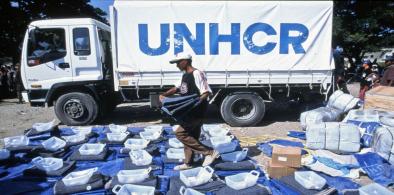
The UN High Commissioner for Refugees has appealed to the Government of the United States to “swiftly lift” the public health-related asylum restrictions that remain in effect at the southern border, and to restore access to asylum for the people “whose lives depend on it”

Although the world has made major progress toward a decade-long target for environmental protection areas, it has fallen far short on commitments regarding their quality, the UN Environment Programme (UNEP) and partners said in a report published on Wednesday
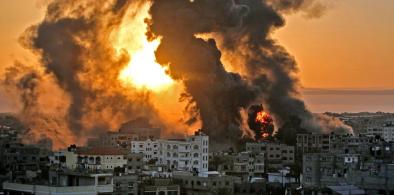
Iterating that no pretext can justify the killing of innocent civilians in Palestine, Bangladesh has called upon the UN Security Council (UNSC) to take up the issue of violence and breach of security in the Al-Quds Al-Shareef and the entire occupied land of Palestine state
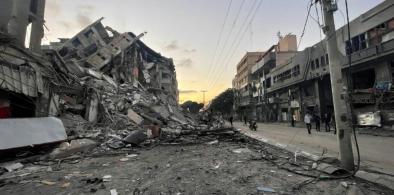
The international community must do “all it can” to de-escalate the violence in Gaza and Israel which has left hundreds dead and injured, said the UN’s political affairs chief on Tuesday, calling on all those involved in the fighting to allow for the “intensification of mediation efforts”, which can also help stem a growing humanitarian crisis in the Gaza Stri
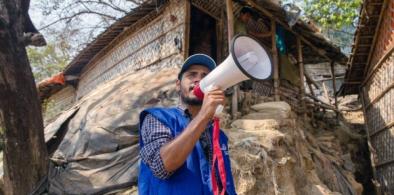
Under the leadership of the Government of Bangladesh, the Organization for Migration (IOM) and UN High Commissioner for Refugees (UNHCR) launched a $943 million plan on Tuesday to “safeguard the well-being and dignity” of Rohingya refugees in the country and their host communities
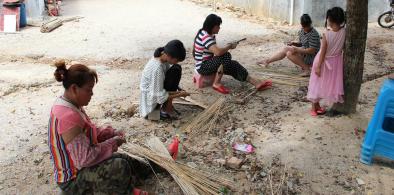
As the world continues to tackle the multiple impacts of the COVID-19 pandemic, from pushing some 131 million people into extreme poverty to reversing years of development progress, the UN chief said on Tuesday that a more coordinated approach is key to moving forward
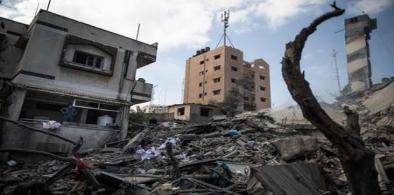
Pakistan has called on the Non-Aligned Movement (NAM) member states to demand an immediate end to Israel’s attacks in Palestine, Pakistan Today reported
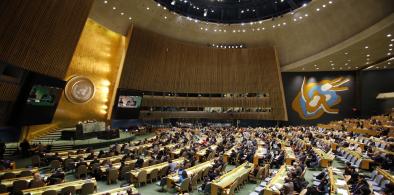
Pakistan will join hands with Turkey, Palestine, Sudan to take a united stance on the issue of Palestine at the upcoming emergency session of the United Nations General Assembly (UNGA), scheduled for Thursday
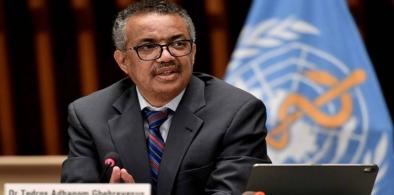
Although COVID-19 cases and deaths continue to decline globally for a second consecutive week, the UN health agency chief said on Monday that “a huge disconnect” is mounting between some highly vaccinated countries, which see the pandemic as largely resolved, while huge waves of infection continue to grip others where shots are scarce
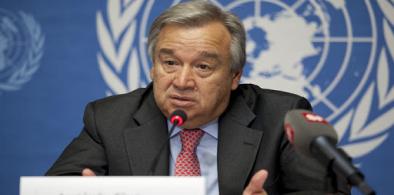
Although the COVID-19 pandemic has accelerated digital transformation across the planet, millions worldwide still lack Internet access, the UN Secretary-General said on Monday, highlighting why information and communication technologies (ICTs) must be “a force for good.”
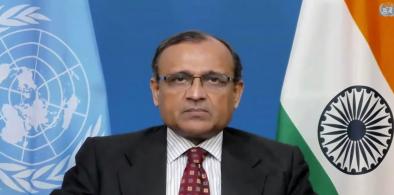
Mourning the death of an Indian nurse in Israel, India's Permanent Representative T. S. Tirumurti has condemned the rocket attacks from Gaza that killed her
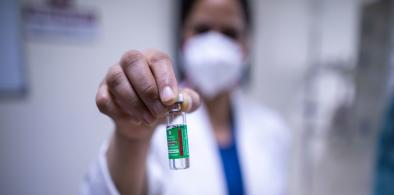
The deadly increase in COVID-19 cases in India could potentially occur elsewhere if vulnerable countries do not have access to vaccines, the head of the UN Children’s Fund, UNICEF, warned on Monday in a bid to get richer nations to share their excess doses
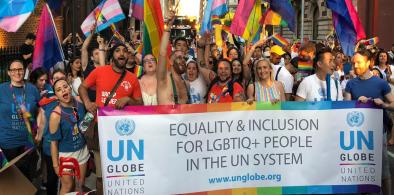
Humiliation and intolerance remain “a stark reality” for many gay, bisexual, transgender and intersex (LGBTI) people around the world, the UN human rights chief has said, in her message for the upcoming International Day Against Homophobia, Transphobia and Biphobia