India must seek a larger role for the Dalai Lama and the Central Tibetan Administration in the international arena, write Pradeep S. Mehta and Jithin Sabu for South Asia Monitor


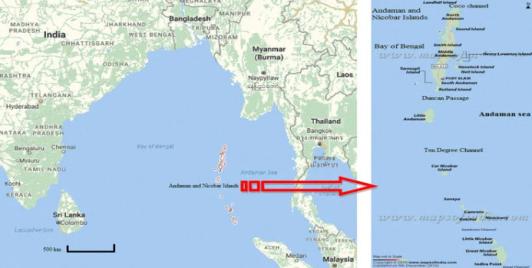
The Great Nicobar Island Development Project (GNIDP) is a mammoth venture by India to strategically strengthen its presence in the Andaman Sea and Southeast Asia with its own transshipment hub. The mega-infrastructure project spans approximately166.10 sq km covering about 15% of the total landmass of Great Nicobar Island at the southernmost tip of the Andaman and Nicobar archipelago.

An Emirati airline, an Indian captain, Israeli passengers, and Saudi authorities all played a part. India, re-elected to the ICAO Council last year, is well placed to push these standards into global aviation rules. The best tribute to Captain Machchhar is making sure the next crew never needs a hero.
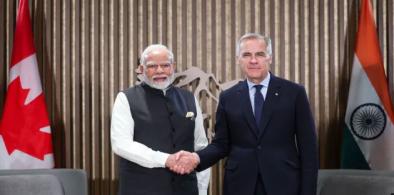
Canada hosts close to 1.9 million persons of Indian Origin (PIOs) and 3% of Canada’s population, one of the largest ethnic groups in Canada’s multiethnic and multicultural society. Although immigration policy of Canada has tightened in recent years, yet a lot of students who study in Canada prefer to stay back and work in Canada acquiring permanent residency and citizenship.
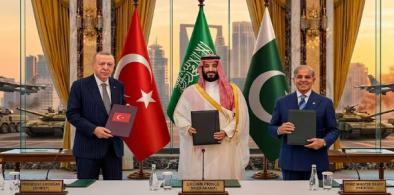
It would also explain why Pakistan is trying to preserve a distinction between supporting Saudi Arabia and fighting the Houthis. Pakistan has every reason to avoid another open-ended conflict in the Middle East. Its military is heavily committed to its own security challenges. Its economy cannot easily absorb the political and financial consequences
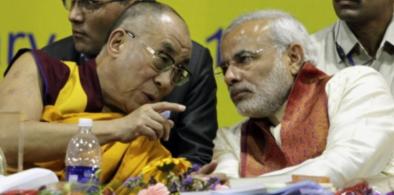
India must seek a larger role for the Dalai Lama and the Central Tibetan Administration in the international arena, write Pradeep S. Mehta and Jithin Sabu for South Asia Monitor
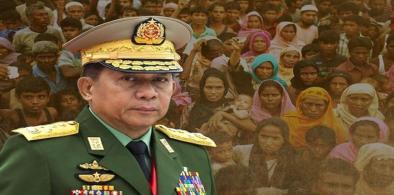
Bangladesh should keep raising the Rohingya issue in all international forums. It should continue its efforts in various diplomatic arenas to exert more international pressure on Myanmar for a quick Rohingya repatriation, write MD Sakib Hossain & Kawsar Uddin Mahmud for South Asia Monitor
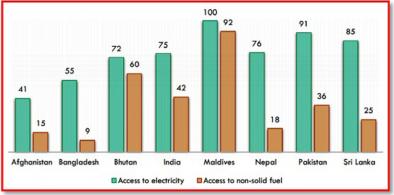
Asia has significant scope for regional cooperation and collaboration among its energy-deficient and energy-sufficient regions to enhance its overall energy security, writes Partha Pratim Mitra for South Asia Monitor
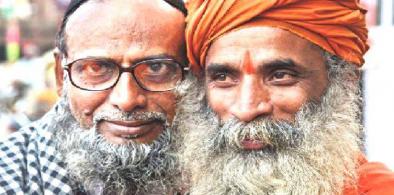
Communal or sectarian violence poses a serious threat not only to India’s secular and democratic spirit but also wreaks serious havoc on its economy, writes Asif Rameez Daudi for South Asia Monitor
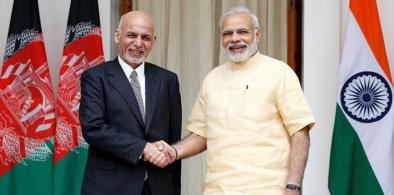
The Shahtoot Dam project will be India’s second-largest in Afghanistan after the Salma Dam project. This would invariably help mitigate water scarcity in the country, writes Amb Tahir Qadiry for South Asia Monitor
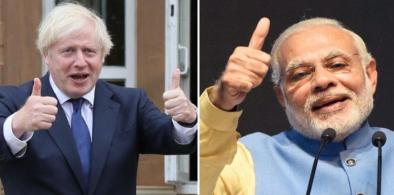
Brexit could translate into an opportunity for India to reset the legal terms of its trade with the UK and EU at the multilateral level as well as through free trade agreements (FTA). This remains a formidable challenge, writes Amb Bhaswati Mukherjee (retd) for South Asia Monitor
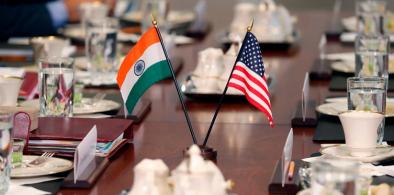
India's much weaker economic clout in comparison to China's, its controversial and polarising domestic policies, and the lack of dependability have all prompted the rest of its neighbours to embrace the Dragon, helping strengthen its "string of pearls" strategy, writes E D Mathew for South Asia Monitor
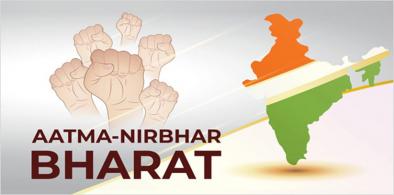
Being Asia’s third-largest economy, India has been criticized by the US, China, and the EU for rising trade barriers and restrictive investment policies at the World Trade Organization’s (WTO) Trade Policy Review, writes Manjari Balu for South Asia Monitor
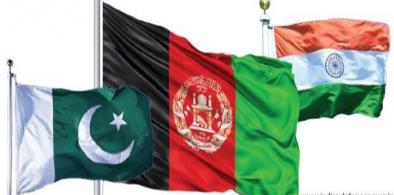
It is critical for India to make some uncomfortable choices to safeguard its strategic interests in Afghanistan, write Prashant Rastogi and Swati Sinha for South Asia Monitor
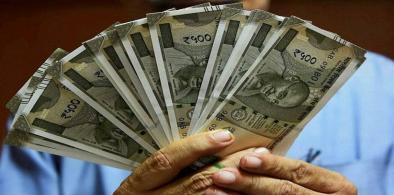
However, progress towards a USD 5 trillion economy has so far been elusive. The goalposts are also shifting. Even at the scorching pace likely in 2021-22, the economy will hit USD 5 trillion only in 2025-26, writes N Chandra Mohan for South Asia Monitor
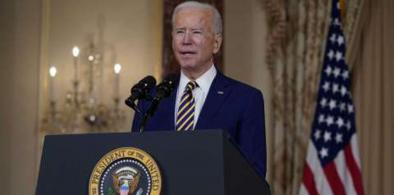
Biden's predecessor Donald Trump had made the Indo-Pacific region, the main theatre of confrontation, a focus of his strategy on China with the Quad – US, India, Japan and Australia – as an emerging force there, an alliance of democracies bookended by the US and India, writes Arul Louis for South Asia Monitor
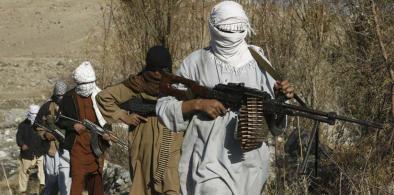
The first gathering of Afghanistan and Indian Islamic scholars was held at India Islamic Cultural Centre in New Delhi and held that the war in Afghanistan and targeting of civilian institutions was illegitimate and there is no religious justification for it, writes Sayed Ziaullah Hashimi for South Asia Monitor
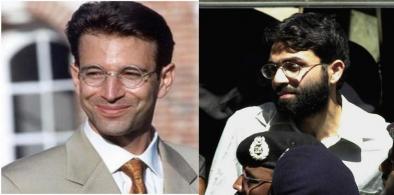
While peace in Afghanistan seems a long way off, and the two issues are not connected, the Pearl/Sheikh issue has emerged as a diplomatic hot potato, writes Mahendra Ved for South Asia Monitor
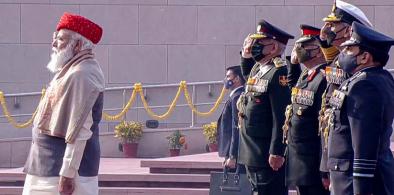
The time has come for holistic civil-military integration and synergy in India to meet the challenges of a multi-polar, multi-domain world especially with a belligerent and hegemonistic China and its ally Pakistan in our immediate neighbourhood, writes Lt Gen PR Kumar (retd) for South Asia Monitor
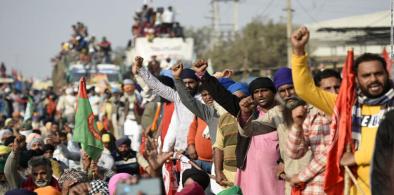
The government might have been more accommodating if it is wasn’t jittery about the political impact of a retreat at a time when the BJP faces four crucial elections where its chances are not foolproof, writes Amulya Ganguli for South Asia Monitor