Away from grey walls, the green is good


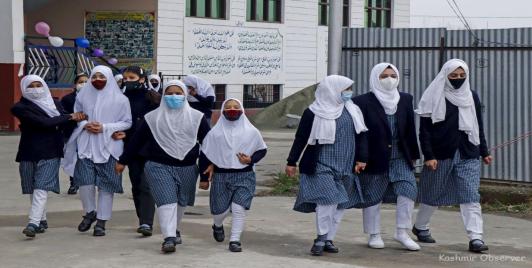
If dummy admissions, prolonged school absenteeism, and an unregulated coaching culture continue unchecked, we may end up producing students who have spent enormous amounts of time and money on education without actually receiving the education they need.
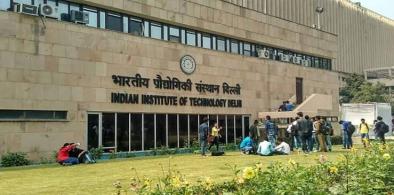
If South Asian governments urgently review and reform their education systems, the region can all benefit within 15 years from our demographic dividend and unleash the region's immense knowledge and growth potential within a generation.New education systems must be interactive and inter-operative to allow free movement of professionals, capital and labour around the region
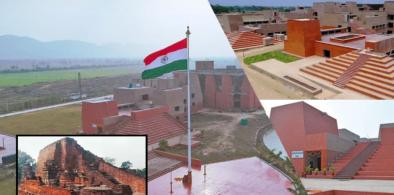
Nalanda serves as a counterweight to the historic monopoly of Western universities over social, political, and ecological theory. It invites Asian and African scholars to address regional dilemmas such as resource sovereignty, post-colonial statehood, and sustainable modernization using indigenous analytical categories.
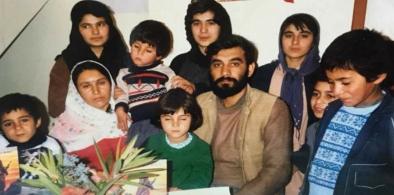
The daughters and granddaughters of these warlords, like those of several key Taliban commanders, live and study abroad. Sabori’s school in Archi is half-closed, owing to the ban on education for girls over 12 years of age. Several underground schools have sprung up where even some Taliban foot-soldiers send their daughters.

Away from grey walls, the green is good
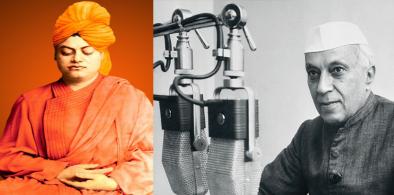
May 27 was Jawaharlal Nehru 56th death anniversary. There was hardly any mention in the mass media marking the anniversary. It is really sad to see that one of the founding fathers of India has been virtually forgotten

When the world was attacked by COVID-19 and with no proven drug/vaccine available for treating the virus-infected people, social distancing between individuals was advocated as an immediate solution to solve the problem

We all agree that India is a unique country. It showcases unity in diversity; multiple languages, cultures, cuisine, religions, colours, diversity of terrain and thought

As if the troubles in life are not enough
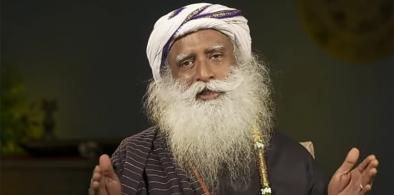
"Without high-quality people, there is no high-quality nation," Sadhguru, Founder, Isha Foundation, told builders in a webinar organized by Confederation of Real Estate Developers’ Association of India (CREDAI)- MCHI and National Real Estate Development Council (NAREDCO)
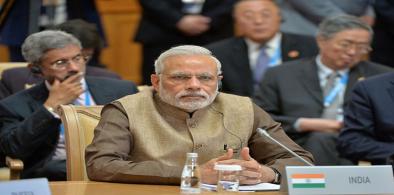
It is clear that the COVID-19 pandemic has caused a death blow to all major economies around the world
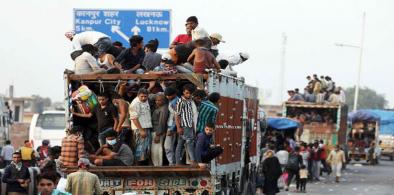
This Diwali I will not be there
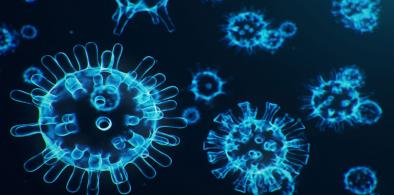
From historical times, human beings have been surviving, in spite of several types of diseases confronting them. In such situations, medical science has developed and come out with new inventions, drugs, and cure with a view to safeguarding human beings from diseases due to the compelling need for the survival of humanity

The coronavirus pandemic and the resulting lockdowns in many countries have led to a resurgence of authoritarianism because of which the liberal democratic model again finds itself at peril from reactionary forces
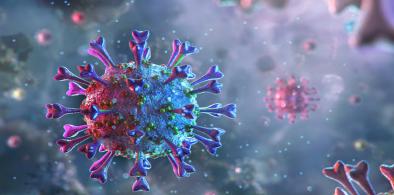
For the first time the world finds itself caught in the sufferings unleashed by COVID-19. No one is safe from the virus which has impacted almost every nation on the planet

The COVID 19 lockdown recall continues. In 1990 I was sitting pondering at my misfortune of having landed the job of looking after the material requirements of a large naval dockyard when in breezed the pint-sized ex gunnery officer of a missile corvette we had commissioned together in the (former) USSR in the late seventies
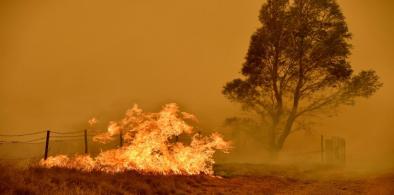
Not as pretty as a flower
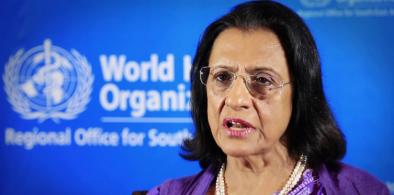
Amid rising cases of COVID-19 and as countries in WHO South-East Asia Region ease lockdowns in a graded manner, WHO today said careful assessment of local epidemiology should guide future actions to combat the virus

In a world when COVID-19 has brought humanity to its knees and exposed the haughty posturing of many nation-states the lesson of its interconnectedness in combating the pandemic is in stark contrast to the situation four months ago