By denying the invitation to the Dalai Lama for the inauguration of Kushinagar international airport, it is obvious that India wants to ensure that China is not displeased


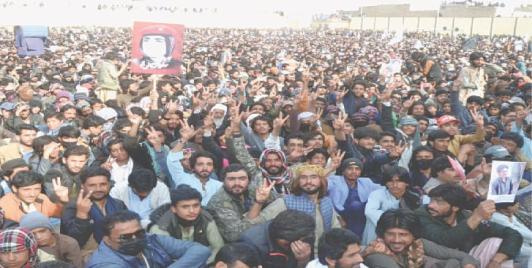
The CMSPP can help Balochistan address one of the most pressing challenges it encounters today – youth unrest and militancy. The radical Islamic groups and terrorist organizations often utilize the discontent of the youth of Balochistan to further their own agendas.
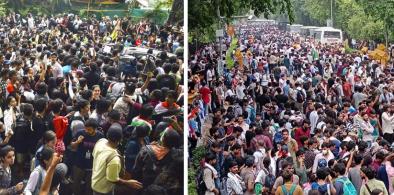
The power of the cockroach in the current viral moment of the CJP seems to resonate with something Kafkaesque that is crawling beneath: unwanted, impossible to eliminate. The apparent insult is meant to make someone feel unworthy. But when an insult is taken up by a community, it culminates in a “badge”, where shame becomes performance, humiliation becomes satire, and satire culminates in political self-recognition.
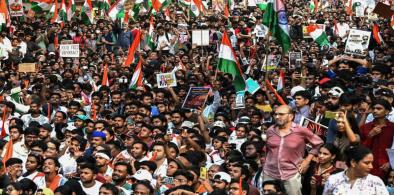
The CJP’s journey, however, is no longer confined to the politics of examination failures and youth precarity. Its School Thik Karo campaign has extended the movement’s work towards accountability for basic public-school infrastructure, while its latest mobilisation has turned to electoral accountability.
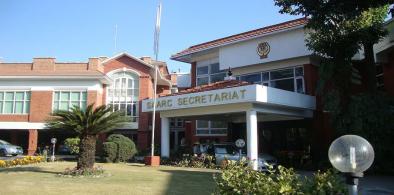
Whether or not “Himalayasia” ever catches on as a name, the underlying question it poses is a serious one for a region that houses a quarter of the world’s population, spends tens of billions of dollars a year arming itself against its own neighbors, and still trades more easily with the far side of the globe than across its own borders
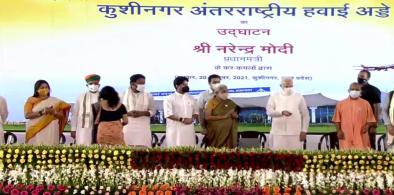
By denying the invitation to the Dalai Lama for the inauguration of Kushinagar international airport, it is obvious that India wants to ensure that China is not displeased
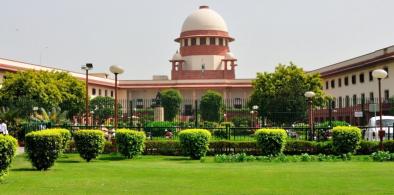
Amid a brute parliamentary majority, the judiciary in India remains the only hope for restraining an autocratic executive
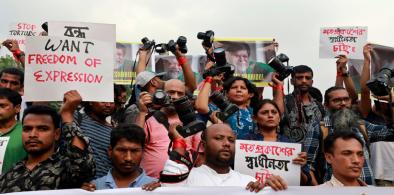
Bangladesh exhibits some positive aspects of democracy that are highly dependent on some economic and political factors

On October 9, the American Society of Engineers of Indian Origin (ASEI) convened this Design Summit with a number of academics, authors, speakers and practitioners covering innovation in Design from multiple perspectives
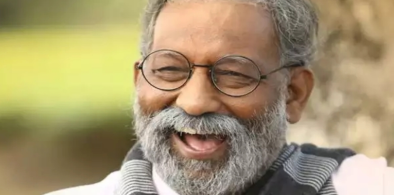
In a career spanning more than four decades covering 500 films, Venu portrayed a wide range of characters that showed his histrionic prowess
India stands at the crossroads, with neighboring countries like Pakistan, China and traditional partner Russia clearly on track to recognize the Taliban regime – a development that goes against Indian interests, writes Shubham for South Asia Monitor
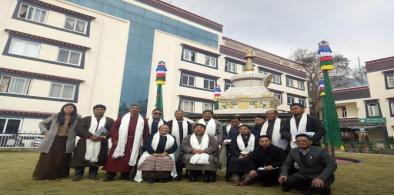
By recognizing Tibet as an independent country, India will create a strong resistance in the onward march of China’s territorial ambitions and strategies
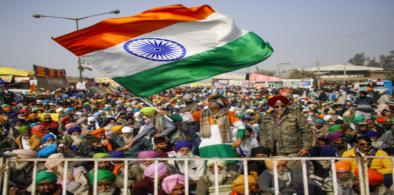
As the country gets closer to state assembly elections next year, the farm agitation will be an important and emotive electoral issue

Looking forward, the aim must be to restore the citizens’ trust so that when future national problems arise the people get associated with the campaign out of their will and not compulsion
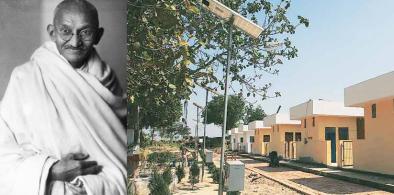
The idea is to turn backward villages affected by floods annually - whether in Bihar, Bengal, Assam, Jharkhand or Odisha - into suburbia-like agglomerations with proper housing and urban-standard infrastructure
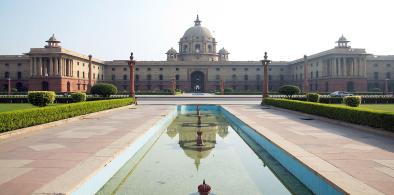
Realizing the bureaucracy was a major hindrance to the implementation of reforms and there was no substantive progress in the performance of bureaucracy even after departmental training, the Indian government launched the National Program for Civil Service Capacity Building (NPCSCB), known as Mission Karmayogi, in November 2020

South Asia was Kamla’s oyster and she travelled across the borders inspiring women in Bangladesh (where she was Kamla di) Nepal (where she was Kamla diju), Pakistan (where she was Kamla apa) , Afghanistan, Sri Lanka and other places

Indian enterprises, financial institutions and government agencies must invest in the acquisition and analysis of knowledge and information on target markets

The on-screen star can become a real-life hero if he withdraws from the tobacco ad, calls out paan masala as harmful to human health and triggers a movement within Bollywood to protect the health and rights of consumers
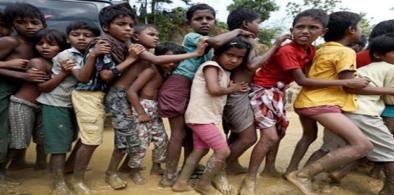
It is Japan’s vital responsibility to join and influence other key players in the region to play a visible and effective role to address major regional issues like the Rohingya crisis for peace and stability