It is important to raise the self-esteem of girls to help them make their own decisions rather than force them into a tyrannical legal system


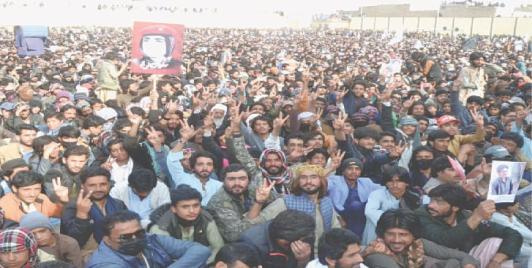
The CMSPP can help Balochistan address one of the most pressing challenges it encounters today – youth unrest and militancy. The radical Islamic groups and terrorist organizations often utilize the discontent of the youth of Balochistan to further their own agendas.
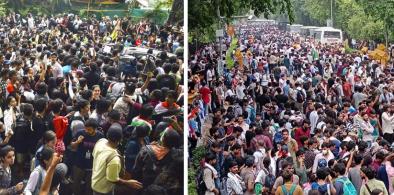
The power of the cockroach in the current viral moment of the CJP seems to resonate with something Kafkaesque that is crawling beneath: unwanted, impossible to eliminate. The apparent insult is meant to make someone feel unworthy. But when an insult is taken up by a community, it culminates in a “badge”, where shame becomes performance, humiliation becomes satire, and satire culminates in political self-recognition.
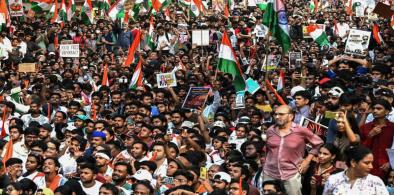
The CJP’s journey, however, is no longer confined to the politics of examination failures and youth precarity. Its School Thik Karo campaign has extended the movement’s work towards accountability for basic public-school infrastructure, while its latest mobilisation has turned to electoral accountability.
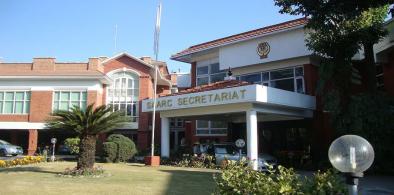
Whether or not “Himalayasia” ever catches on as a name, the underlying question it poses is a serious one for a region that houses a quarter of the world’s population, spends tens of billions of dollars a year arming itself against its own neighbors, and still trades more easily with the far side of the globe than across its own borders
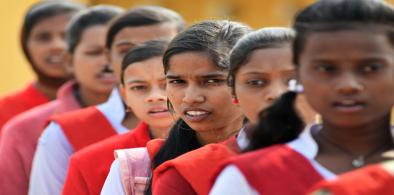
It is important to raise the self-esteem of girls to help them make their own decisions rather than force them into a tyrannical legal system
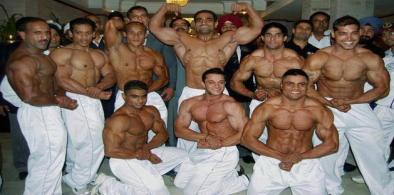
India is in a hurry to reach a mythical place of stardom and power, and in that rush we may not have the time to see the pain and the suffering caused by us in our midst
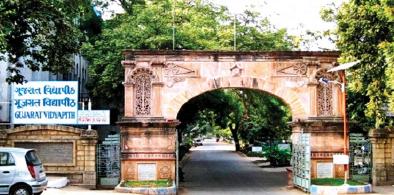
If people don’t act now, ‘Akhand Bharat' will move toward balkanization because a modern secular State with freedom, justice, equity, and fraternity is under threat
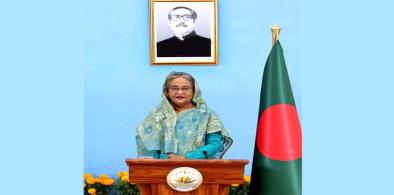
Push her to the edge, Sheikh Hasina will draw from her experience in successfully fending off US pressures and rally the Bengalis around her
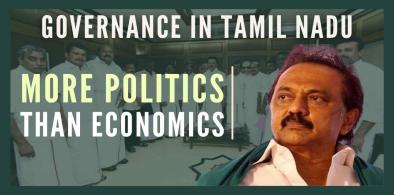
The DMK government has also taken steps to collect gold, silver and diamonds in possession of temples and melt the gold and silver to augment the state’s financial resource
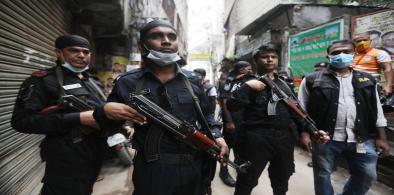
The sanctions can cause severe economic damage to Bangladesh's development projects

Social cohesion within countries has been slowly eroding for some time; social media has accelerated that erosion
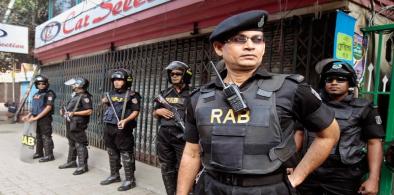
Extrajudicial killings are taking place in many countries such as Pakistan but the US is directing its ire at Bangladesh
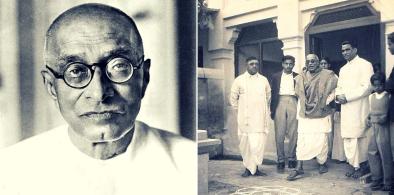
It would be appropriate to celebrate the birthday of Rajaji - not just an independence activist, but a lawyer, writer and statesman - at least next year as a day of free enterprise
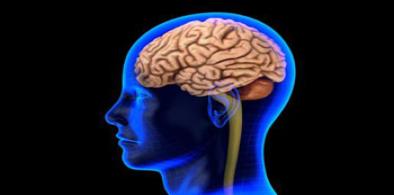
During relaxation of the brain or when one is not thinking about a problem, some other neural pathways are made and these may create the trigger resulting in the Eureka moment, writes Anil K. Rajvanshi for South Asia Monitor
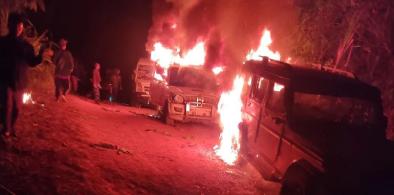
Welcoming the National Human Rights Commission’s (NHRC) notice to authorities seeking a detailed report on the recent killing of 14 civilians and one security personnel by the Indian Army, the Commonwealth Human Rights Initiative (CHRI) has also urged the apex rights body and the State government to set up the long-pending state human rights commission in Nagaland

The summit could change South Asian dynamics considering how it draws a line between China, Bangladesh and Sri Lanka on one side and India, Pakistan and Nepal on another, writes Divyanshu Jindal for South Asia Monitor
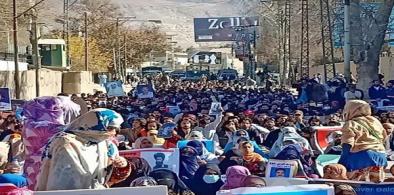
In a shocking move, Balochistan Governor Syed Zahoor Agha issued a Criminal Law Balochistan Amendment Ordinance which bans meetings, rallies and sit-ins on national highways to ensure free movement of people

All over the world we are witnessing the rise of dictators, strong-arm rulers and corrupt leaders
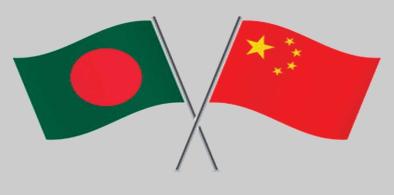
Like Bangladesh, South Asian countries can use Chinese expos to promote their brands and build a new trade image