Thus reading, listening to great stories, discussing interesting issues in schools, will help children learn to focus and will help them to reduce their fears and make them better citizens.


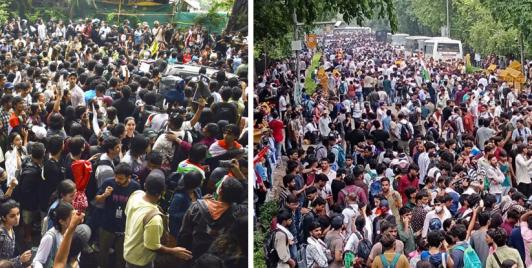
The power of the cockroach in the current viral moment of the CJP seems to resonate with something Kafkaesque that is crawling beneath: unwanted, impossible to eliminate. The apparent insult is meant to make someone feel unworthy. But when an insult is taken up by a community, it culminates in a “badge”, where shame becomes performance, humiliation becomes satire, and satire culminates in political self-recognition.
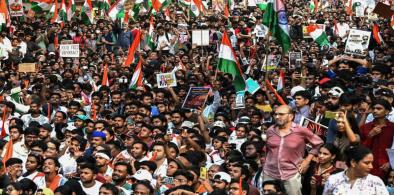
The CJP’s journey, however, is no longer confined to the politics of examination failures and youth precarity. Its School Thik Karo campaign has extended the movement’s work towards accountability for basic public-school infrastructure, while its latest mobilisation has turned to electoral accountability.
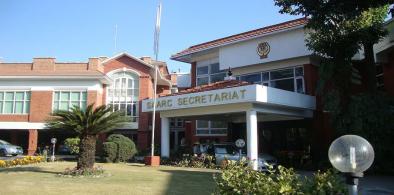
Whether or not “Himalayasia” ever catches on as a name, the underlying question it poses is a serious one for a region that houses a quarter of the world’s population, spends tens of billions of dollars a year arming itself against its own neighbors, and still trades more easily with the far side of the globe than across its own borders

South Asia often discusses youth mobility after a student has already decided to leave the region. A stronger regional system would give students another option before that point: international experience that is close enough to be practical, but different enough to change what they learn.

Thus reading, listening to great stories, discussing interesting issues in schools, will help children learn to focus and will help them to reduce their fears and make them better citizens.

Authoritarian party leaders and military or religious dictators do not wish to confront alternative ideas or opinions; so there is always an attempt to suppress the ‘other’ voices, both offline and online. These often lead them to put citizens into an eco-chamber where only praising of the power structure gets heard and echoed. Tolerance is the first victim of this, and the next is free speech, and then freedom in general.
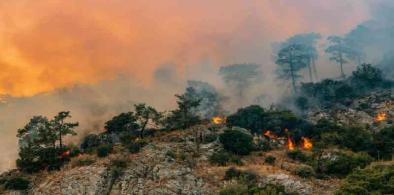
‘Can Interfaith Collaboration Contribute to Climate Justice?’ -- the discussion was the fifteenth in the Sapan series ‘Imagine! Neighbours in Peace’.

Love for book reading cannot take place overnight. All of us need to work together to make our children get into the habit of reading books. So on every occasion, we should gift books to children.
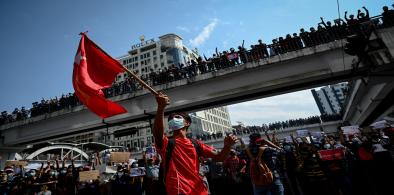
The Tatmadaw's violence, repression, and civil war in Myanmar have left people living in perpetual fear and uncertainty. The international community must restore democracy to Myanmar's youth and give displaced people like the Rohingyas new hope.
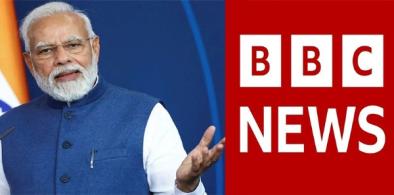
BBC has since decades been projecting the Indian Army and security forces who have been bearing the brunt of terrorism in J&K and the Northeast for decades as violators of human rights, very often at the behest of terrorist organisations through their overground representatives and separatists.
If autonomy, creativity, freedom to design curriculum, the appointment of faculties, and incentivization of research are used as a sales pitch to lure world-acclaimed institutions, why not set your own house (Indian universities) in order first? Why not harness the potential of Indian universities like the JNU instead of stigmatising them?
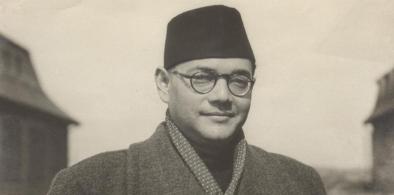
But unfortunately, the entire history, struggle, and ideas of nationalism of Netaji are restricted to a few paras in history textbooks.
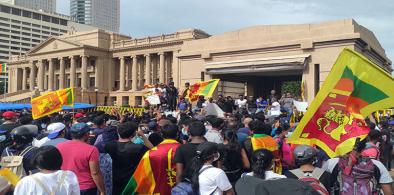
The Wickremesinghe government argues that sustained protests undermine the rule of law and create an anarchical situation in the country. Using these justifications, the government has been continuing its brutal and often violent repression in order to remain in power.
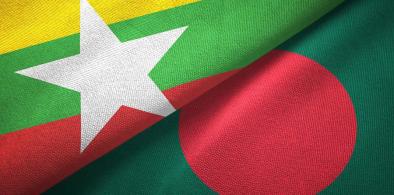
The troubled Rakhine region of Myanmar can potentially become a trade hub between Bangladesh and Myanmar.

If we keep our noses clean it will help us to remain healthy and happy!
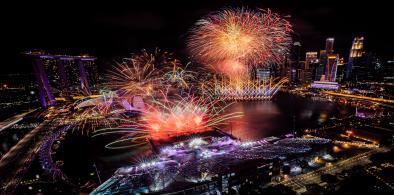
The pre-conditions for the wishes on the eve of 2023 for peace and harmony to be realized is that the battle for the future has to be fought and won in the minds and hearts of the people.

This sorry situation in Indian engineering education is not the students' fault, but a skewed and faulty education system that focuses only on the numbers.
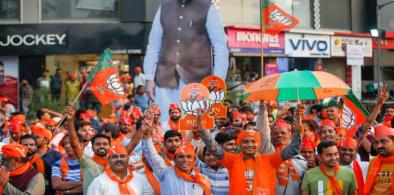
We had been a society where a joint celebration of festivals was part of our common culture. Now things have come to such a pass that provocative actions are planned to ensure a divisive trajectory in society.
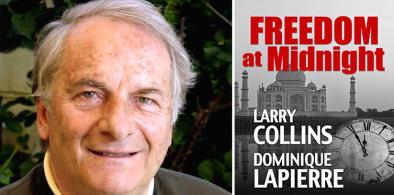
The present edition of Freedom at Midnight is in its 36th edition since 1975.






