
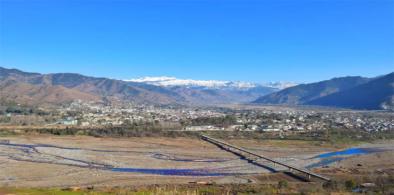
Representational Photo

The Changing Dynamics of India–Bangladesh Relations in South Asia

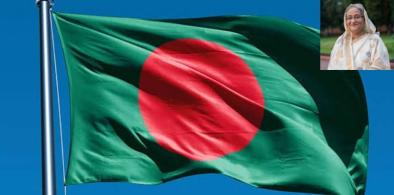
By prioritising energy security, resolving the Teesta dispute, modernising border management, and strengthening economic integration, the two countries can contribute significantly to peace and prosperity in South Asia. The manner in which India and Bangladesh manage their differences will carry implications far beyond their borders.If successful, the partnership has the potential to emerge as a major engine of regional growth and stability. The time has come for cautious resets to evolve into bold and visionary action grounded in mutual respect, trust, and shared prosperity.

Bridging Oceans, Building Regions: India–New Zealand FTA and Potential of South Asian Integration

Increased industrial activity in India could generate demand for raw materials, intermediate goods, and services from countries such as Nepal, Bhutan, Bangladesh, and Sri Lanka. Bangladesh’s textile industry could strengthen its links with Indian manufacturing networks, while Sri Lanka may gain from expanded opportunities in tourism, logistics, and services.

Why Workers Are Leaving Delhi: When Policy Needs to Align With Ground Reality

What emerges from this moment is not a singular crisis but a layered one, shaped by global disruptions, local cost pressures, and structural vulnerabilities. Workers are leaving Delhi not because the city has stopped offering work, but because it has become increasingly difficult to live sustainably in the capital city while working.

Price Tag of Deception: How Fast Fashion Exploits South Asia’s Supply Chain

It is high time South Asian countries not only pass stricter environmental regulations but also strictly enforce them, making sure that there is no factory releasing waste water without adequate treatment. Besides, upholding legally binding labour standards must also be a priority together with ensuring safety of the workplace environment.

More on Student Forum

Where are the engineers who will build India?

This sorry situation in Indian engineering education is not the students' fault, but a skewed and faulty education system that focuses only on the numbers.

BJP’s Gujarat electoral victory: Polarizations to the fore

We had been a society where a joint celebration of festivals was part of our common culture. Now things have come to such a pass that provocative actions are planned to ensure a divisive trajectory in society.

Recalling a memorable experience with Dominique Lapierre

The present edition of Freedom at Midnight is in its 36th edition since 1975. 

A Pakistani media legend bows out (1952-2022): He was a champion of the underdog

His creativity included Aman Ki Asha, the ‘hope for peace’ project between Pakistan and India for which he penned the groundbreaking joint editorial, as well as other projects for education and rational thinking.

Will Pakistan ever apologise for the 1971 genocide?

Until Pakistan apologizes for the genocide of 1971, it will remain a disgraced nation in the annals of human civilization.

Celebrating India’s Constitution: Reducing widening inequality should be the goal

Another important aspect of the Constitution is the protection of minorities. There are abundant safeguards to protect minorities against the arbitrary use of power by the majority. As Dr. Ambedkar said, "The majority has a duty toward minorities, as the latter have chosen to be under majority rule".

A tale of two pardons in India: Setting a bad example

The message being sent out is ominous: What kind of society do we wish to create where, if victims and their families belong to a certain religion or class, they must be prepared to live with the perpetrators of crimes against them roaming free?

Needed ‘dignity in disaster’ for Assam’s female residents during annual floods

The inclusion of women in disaster planning must be strongly advocated. Doing so would not only aid in effective disaster risk governance but also strengthen the resilience of all the members of a community by addressing gender-specific needs.

Twitter tantrums: Free enterprise, unfree enterprises, public distrust

Yet, many of the advocates of free speech and unhindered competition and zero controls fail to see that the enterprises themselves are anything but places where free speech is tolerated, let alone encouraged.

Inserting communal angles in sensational murders: Grave threat to social peace

What is needed is to combat the ‘love jihad’ propaganda, which is being done with unimaginable intensity and is vitiating social peace. The need for national ‘help lines’ and support systems for such isolated girls in painful relationships is the need for the hour. 

Act or perish: Youth in universities ' zero' down to stem climate change

Carbon-neutral university campuses would not only be inspiring to government and businesses but also a pressure point for climate negotiators who are endlessly compromising the text of the climate agreement resulting in diluting the goals of the Paris Climate Agreement. 

Bangladesh needs no diplomatic lecturing on democracy or human rights

There have been numerous instances in Bangladesh when diplomats, especially from the UK, the US, and the European Union, have voiced their opinions openly about the fairness of elections, or the democratic functioning of the government, which in no way falls under the purview of conventional diplomacy.

Better time management for happiness and success

Thus to create better and well-balanced citizens we need to inculcate in our children the power of concentration and make them focus on the work at hand. They will then have all the time in the world to do great and wonderful things.

Bangladesh as a peace promoter: Opening doors of future possibilities for nation

Peacekeeping missions have created indirect financial benefits for the Bangladeshi economy, particularly in the agricultural and pharmaceutical sectors, creating new markets for Bangladeshi businessmen.

Once sought after by the world, Indian education is today lagging far behind

Digital Edtechs are now thriving by promising to do what appointed schoolteachers are supposed to do in exchange for their salaries. They come at a very high cost, affordable only to the relatively wealthy.