It’s Corona yes, but don’t crib


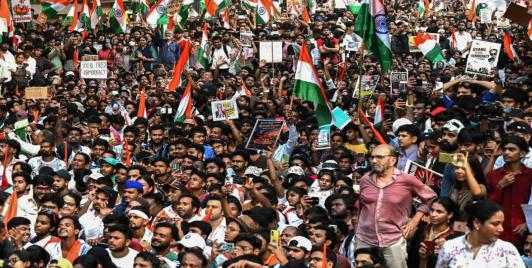
The CJP’s journey, however, is no longer confined to the politics of examination failures and youth precarity. Its School Thik Karo campaign has extended the movement’s work towards accountability for basic public-school infrastructure, while its latest mobilisation has turned to electoral accountability.
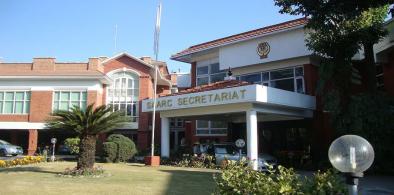
Whether or not “Himalayasia” ever catches on as a name, the underlying question it poses is a serious one for a region that houses a quarter of the world’s population, spends tens of billions of dollars a year arming itself against its own neighbors, and still trades more easily with the far side of the globe than across its own borders
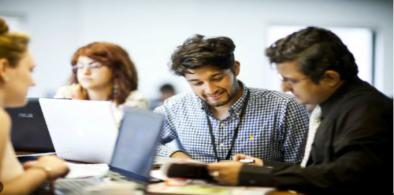
South Asia often discusses youth mobility after a student has already decided to leave the region. A stronger regional system would give students another option before that point: international experience that is close enough to be practical, but different enough to change what they learn.

If dummy admissions, prolonged school absenteeism, and an unregulated coaching culture continue unchecked, we may end up producing students who have spent enormous amounts of time and money on education without actually receiving the education they need.
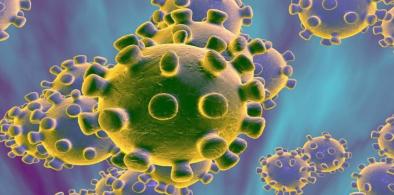
It’s Corona yes, but don’t crib
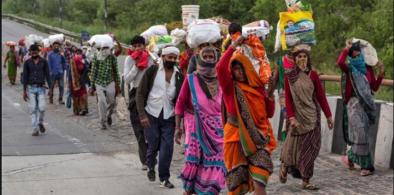
In Chennai, the capital of Tamil Nadu, I woke up to an eerie silence yesterday. The night before, India’s prime minister, Narendra Modi, announced a 21-day national lockdown would start at midnight.
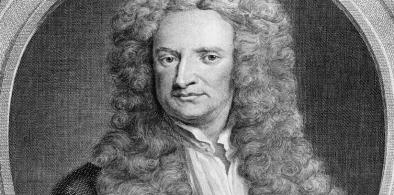
One of the greatest thoughts of mankind came from Isaac Newton. Interestingly enough he developed all his mathematical and scientific theories when he was banished from Cambridge University, where he was studying, to his native place in rural England during the great plague of the 1660s

A requiem was written this week for India Abroad, the New York-based weekly newspaper, that shut down after 50 years of publication. A note from the present publisher, Suresh Venkatachari, regretted the closure of the iconic publication, calling it "heartrending" for its thousands of readers "for whom India Abroad has been an integral part of their India-American journey..."
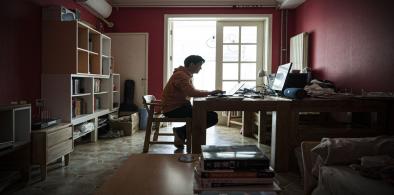
Health is the first and the foremost asset which should be protected as in the absence of life there is no livelihood

Why do you turn grey sometimes
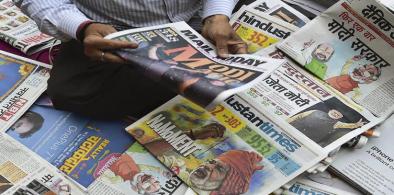
Newspapers are facing an uphill task to maintain their readership as India is in a complete lockdown till the middle of April because of the COVID-19 pandemic
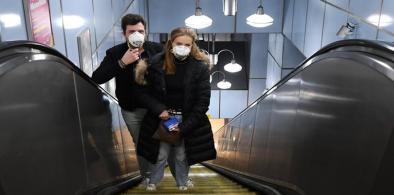
You may have noticed that some people have responded very differently to new rules on lockdown and social distancing. Some seem appalled. Other reassured. What might account for these differences?
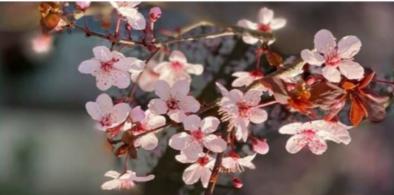
As we remain closeted in our room
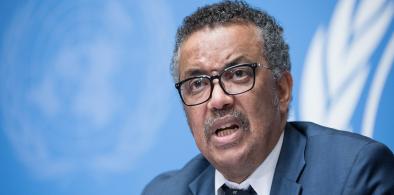
WHO Director-General Tedros Adhanom Ghebreyesus has said that lockdowns, being implemented by several countries, including India and many South Asian nations, to combat COVID-19, will not be enough to eradicate the virus from the world
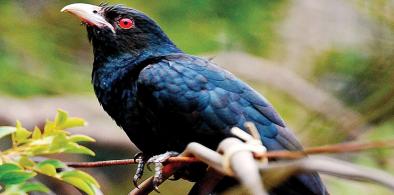
O’ Koel why do you sing today?
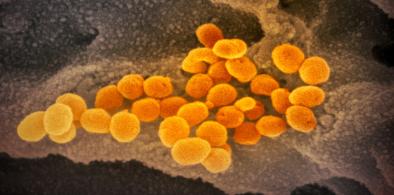
The Indian Council of Medical Research (ICMR) has come up with an easy frequently asked questions (FAQ) to dispel myths and bring out facts about the coronavirus
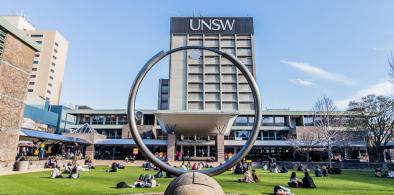
Epidemiologist and data scientist, Dr Kalinda Griffiths at UNSW, Australia explains how accurate and timely “data is power” for aboriginal and native communities, that offers critical lessons to South Asian governments to understand the impacts of COVID-19 on their own marginalised, remote and indigenous communities
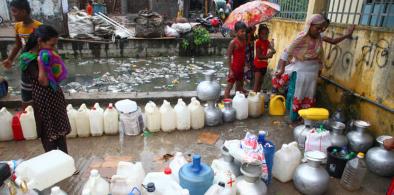
As the world confronts the coronavirus pandemic, experts say that a key way to minimize the odds of getting sick is by washing your hands thoroughly and frequently.
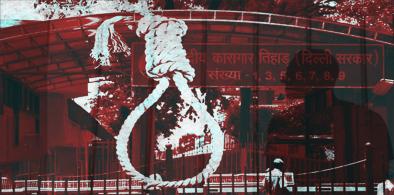
After more than seven years of protracted judicial proceedings, four criminals who abused ‘Nirbhaya’ - a media moniker for a young paramedic who was gang-raped and killed in December 2012 - have been finally hanged in India