Arthur Koestler, a Hungarian British author, and journalist, once observed that “Man's deadliest weapon is language. He is susceptible to being hypnotized by slogans as he is to infectious diseases


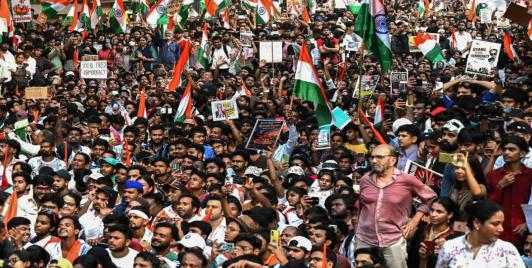
The CJP’s journey, however, is no longer confined to the politics of examination failures and youth precarity. Its School Thik Karo campaign has extended the movement’s work towards accountability for basic public-school infrastructure, while its latest mobilisation has turned to electoral accountability.
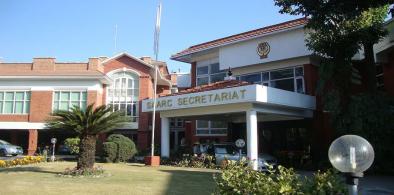
Whether or not “Himalayasia” ever catches on as a name, the underlying question it poses is a serious one for a region that houses a quarter of the world’s population, spends tens of billions of dollars a year arming itself against its own neighbors, and still trades more easily with the far side of the globe than across its own borders

South Asia often discusses youth mobility after a student has already decided to leave the region. A stronger regional system would give students another option before that point: international experience that is close enough to be practical, but different enough to change what they learn.

If dummy admissions, prolonged school absenteeism, and an unregulated coaching culture continue unchecked, we may end up producing students who have spent enormous amounts of time and money on education without actually receiving the education they need.
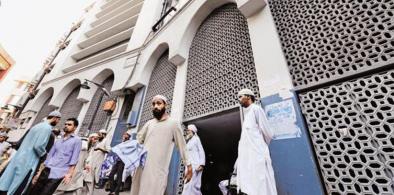
Arthur Koestler, a Hungarian British author, and journalist, once observed that “Man's deadliest weapon is language. He is susceptible to being hypnotized by slogans as he is to infectious diseases
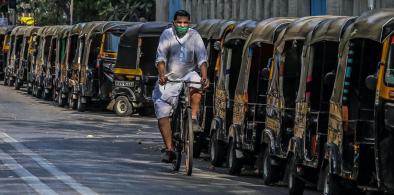
India’s coronavirus lockdown of 1.3 billion people is unprecedented in size and scope, particularly in a country where city streets are so thronged with life in all its guises

The frenzy that we see around
The trepidation and the terror,

Extreme times call for extreme measures. India is reeling under a chronic economic crisis. If the Indian government takes these measures then it will go a long way in mitigating the economic fallout of the COVID-19
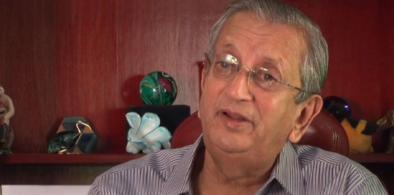
On 13 April 2020 Supreme Court advocate Ashok Desai, a legal luminary and former Attorney General of India, passed away in Mumbai. He was 77
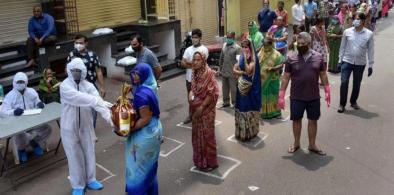
The novel coronavirus is causing havoc worldwide. For a country like India, on top of the creaky public healthcare system and scanty health care data, lies a widespread social media campaign recommending yoga, inhaling cannabis and consuming cow urine and dung as measures to prevent infection has made the battle against COVID-19 even more challenging

I had penned articles under the same agonising title in 2006, followed in 2007, in the spate of terrorist attacks by some wayward Muslim youth, who, totally misinterpreting Islam, took innocent lives either as murderers or as suicide bombers

I cannot remember when it came to invade our mind. Whether it was in the early hours of the morning or late evening or perhaps, at night. I ought to because it announced its arrival with fanfare and drums

Islam and Christianity are two religions that are well entrenched in all countries in the world. However, other religions such as Hinduism, Buddhism, Jainism, and Sikhism have only a marginal presence in most countries
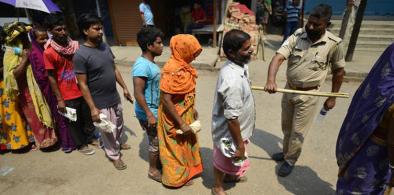
With the coronavirus pandemic continuing its spread around the world, the Indian prime minister, Narendra Modi, announced a three-week complete nationwide lockdown of 1.3 billion people on March 24. The government advised people to observe social distancing even before the lockdown came into place – but it was only partially effective.

I am learning many things anew
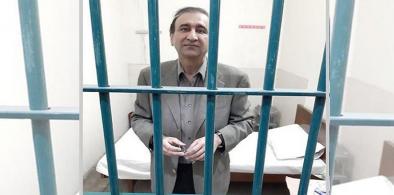
Leading editors and media professionals from South Asia today protested actions against the media in Pakistan and India - the detention of Pakistani editor and publisher Mir Shakilur Rahman in Lahore and legal action against the independent Indian online portal, The Wire

Invisible virus, invading all over, at the speed of light,
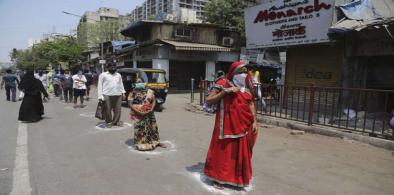
Responding to vivid accounts of police brutality and arbitrariness across India during the nationwide lockdown, the Commonwealth Human Rights Initiative has framed a set of guidelines to assist police departments to enforce the lockdown within the Constitutional framework
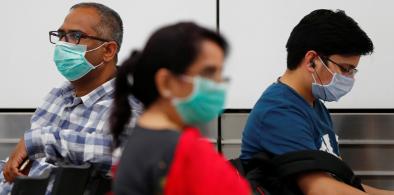
It has been reported that all over the world, recession has set in after the COVID 19 disaster