As the mortal coronavirus infection is spreading rapidly in India and other parts of the world, the spread of fake news is even faster


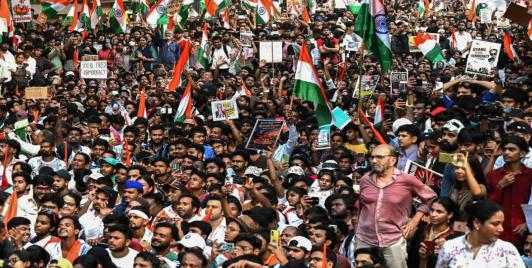
The CJP’s journey, however, is no longer confined to the politics of examination failures and youth precarity. Its School Thik Karo campaign has extended the movement’s work towards accountability for basic public-school infrastructure, while its latest mobilisation has turned to electoral accountability.
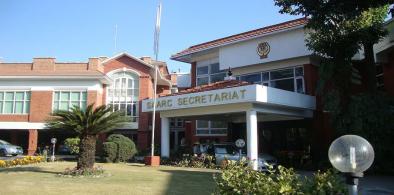
Whether or not “Himalayasia” ever catches on as a name, the underlying question it poses is a serious one for a region that houses a quarter of the world’s population, spends tens of billions of dollars a year arming itself against its own neighbors, and still trades more easily with the far side of the globe than across its own borders

South Asia often discusses youth mobility after a student has already decided to leave the region. A stronger regional system would give students another option before that point: international experience that is close enough to be practical, but different enough to change what they learn.

If dummy admissions, prolonged school absenteeism, and an unregulated coaching culture continue unchecked, we may end up producing students who have spent enormous amounts of time and money on education without actually receiving the education they need.

As the mortal coronavirus infection is spreading rapidly in India and other parts of the world, the spread of fake news is even faster
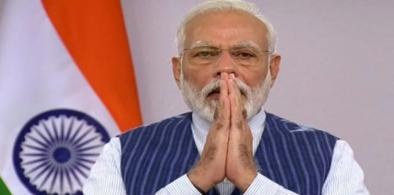
A year ago, a golden chapter was added to the history of Indian democracy. After decades, the people of the country gave a second opportunity to a government elected with a full majority
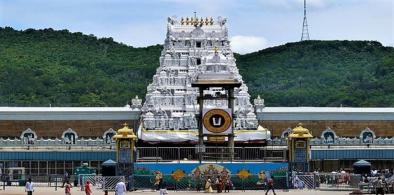
The COVID-19 lockdown ruminations continue. There are some concepts in the world of international power play that are difficult to comprehend, even for us normal adults

Away from grey walls, the green is good
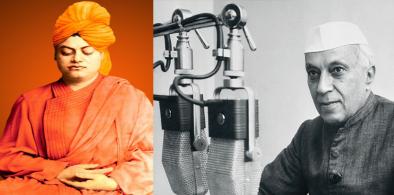
May 27 was Jawaharlal Nehru 56th death anniversary. There was hardly any mention in the mass media marking the anniversary. It is really sad to see that one of the founding fathers of India has been virtually forgotten

When the world was attacked by COVID-19 and with no proven drug/vaccine available for treating the virus-infected people, social distancing between individuals was advocated as an immediate solution to solve the problem

We all agree that India is a unique country. It showcases unity in diversity; multiple languages, cultures, cuisine, religions, colours, diversity of terrain and thought

As if the troubles in life are not enough
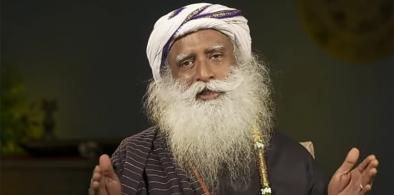
"Without high-quality people, there is no high-quality nation," Sadhguru, Founder, Isha Foundation, told builders in a webinar organized by Confederation of Real Estate Developers’ Association of India (CREDAI)- MCHI and National Real Estate Development Council (NAREDCO)
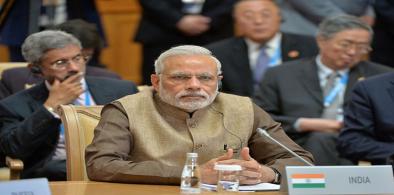
It is clear that the COVID-19 pandemic has caused a death blow to all major economies around the world
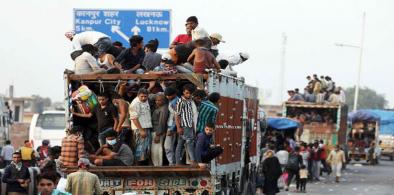
This Diwali I will not be there

From historical times, human beings have been surviving, in spite of several types of diseases confronting them. In such situations, medical science has developed and come out with new inventions, drugs, and cure with a view to safeguarding human beings from diseases due to the compelling need for the survival of humanity
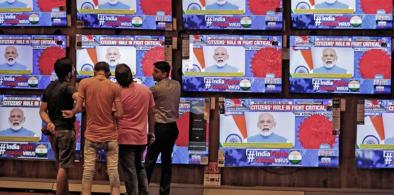
The coronavirus pandemic and the resulting lockdowns in many countries have led to a resurgence of authoritarianism because of which the liberal democratic model again finds itself at peril from reactionary forces
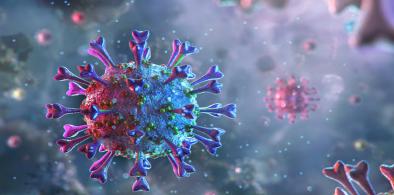
For the first time the world finds itself caught in the sufferings unleashed by COVID-19. No one is safe from the virus which has impacted almost every nation on the planet
The COVID 19 lockdown recall continues. In 1990 I was sitting pondering at my misfortune of having landed the job of looking after the material requirements of a large naval dockyard when in breezed the pint-sized ex gunnery officer of a missile corvette we had commissioned together in the (former) USSR in the late seventies