Of an estimated 3.5 million-plus Indian American community, about 70 percent are said to be the vote bank of Democrats, a number that the Biden campaign would not want to trifle with, writes Dr. Sridhar Krishnaswami for South Asia Monitor


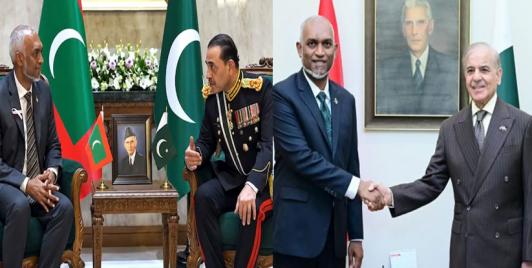
The Maldives, like other small states, has an interest in diversifying its international partnerships, widening its economic choices and retaining room for diplomatic manoeuvre. Engagement with Pakistan does not necessarily come at India's expense

Three days of dialogue, debate, and engagement in Dhaka reinforced a sobering reality: despite ongoing discussions about multipolarity, middle powers, and strategic autonomy, great powers continue to shape the choices available to smaller states.
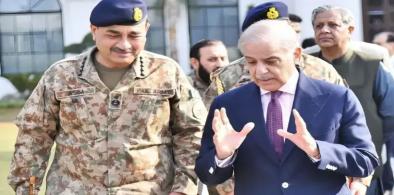
It would be simplistic to assume that every retired general appointed as an ambassador is an instrument of Asim Munir's influence. It would be equally complacent to dismiss the wider institutional implications of placing so many former military officers in diplomatic positions across several regions.

Arunachal Pradesh presents a particularly important dimension of the problem. China claims the northeast Indian state, refers to it as Zangnan, or South Tibet, and periodically challenges India's sovereignty through statements and the assignment of Chinese names to places within the state.
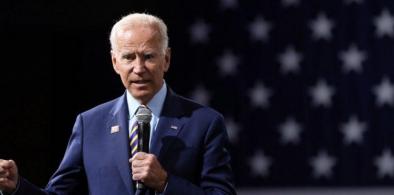
Of an estimated 3.5 million-plus Indian American community, about 70 percent are said to be the vote bank of Democrats, a number that the Biden campaign would not want to trifle with, writes Dr. Sridhar Krishnaswami for South Asia Monitor

Cross-border marriages, i.e., matrimony between Nepal's son/daughter and India’s son/daughter are very common in India's bordering districts of Uttar Pradesh and Bihar, writes Jivesh Jha for South Asia Monitor
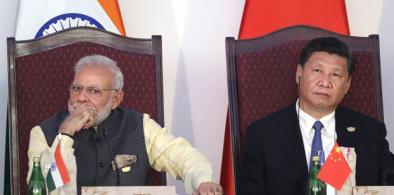
India needs to consolidate its relationship with the immediate neighbors by resolving the pending issues, particularly, the issue of immigration with Bangladesh and territorial disputes with Nepal, writes Dr. Arshad for South Asia Monitor

There has to be enough focus on the protection of children from sexual abuse and parents, guardians, teachers and all those who are stakeholders in children’s welfare should be really aware of this aspect to ensure a safe and healthy childhood for our children during this time of coronavirus pandemic, writes Sonal Kellogg for South Asia Monitor
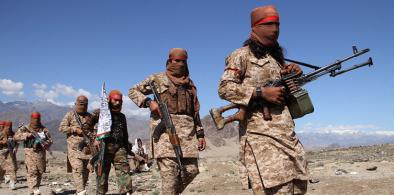
With Pakistan becoming the vassal state of China, China plans to extend the China-Pakistan Economic Corridor into Afghanistan, writes Lt Gen P. C. Katoch (Retd) for South Asia Monitor
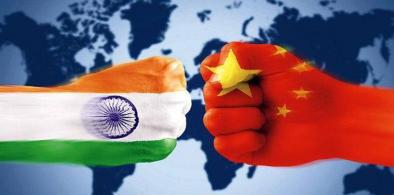
Let us accept this fact that India and China are potential rivals in the power hierarchy in South Asia and outside, writes Aneek Chatterjee for South Asia Monitor
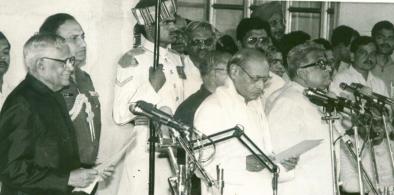
Rao qualifies in more ways than one to be conferred with the nation's highest civilian award, the Bharat Ratna, which has become a political reward in recent years, writes C Uday Bhaskar for South Asia Monitor

With deep societal, cultural, and religious links with our South Asian neighbors, the links and legacy coupled with the reach and charisma of Bollywood could be a win-win combination for regional collaboration in the art and craft of film making, if appropriated thoughtfully and strategically, writes Ram Krishna Sinha for South Asia Monitor
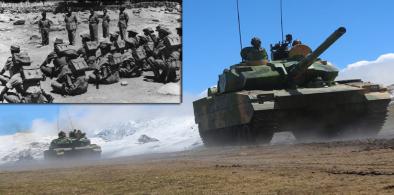
In the current scenario, although India being a peaceful country does not want war with anyone, especially with China, India has developed infrastructure at the borders, strengthened its defence forces and has strategic relations with several countries, writes Jai Kumar Verma for South Asia Monitor
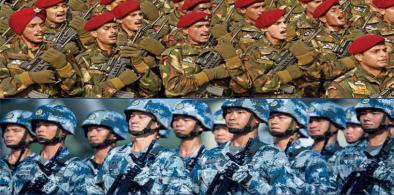
India's armed forces need to transform itself to deter and if necessary fight and win a two-front war, and ensure that both China and Pakistan will bear the consequences of military and national embarrassment, writes Lt Gen PR Kumar (retd) for South Asia Monitor

That fateful March 1977 election vindicated Indian democratic traditions and proved the triumph of freedom over bread, writes Tarun Basu for South Asia Monitor
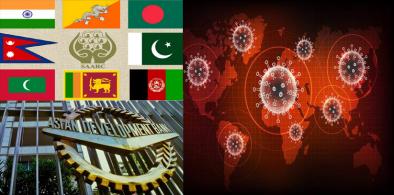
The distribution of the COVID-19 package across countries of the South Asian region shows that India has been one of the largest beneficiaries but the per capita package is lower than the Maldives and Bhutan due to the smaller population of these countries, writes Partha Pratim Mitra for South Asia Monitor
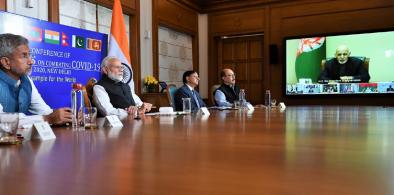
Although the COVID-19 crisis has provided an immediate context for Indian outreach, health has been for years on its foreign policy agenda and New Delhi has been quite active in promoting global health partnerships, writes Saroj Mohanty for South Asia Monitor
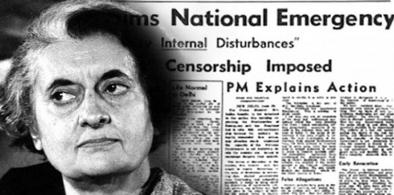
June 25, 2020, is the 45th anniversary of the infamous Emergency imposed on the country by Mrs. Gandhi, even while countrywide protests had erupted against her continuation in power, writes Vinod Aggarwal for South Asia Monitor
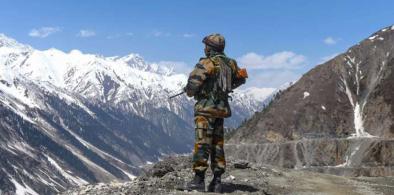
We need to step out of the stated and irrevocable positions taken, think out of the box, accept existing ground realities, create the right atmospherics amongst the people and international community and come up with a pragmatic solution, writes Lt Gen P R Kumar (retd) for South Asia Monitor