

There is a need to invest in scientific research in the South Asian region so that disease control measures could be taken in the right earnest, writes Shubham Singh for South Asia Monitor
The Quad's Critical Minerals Initiative provides an important platform for achieving these objectives. Through coordinated investments, technology sharing and supply-chain diversification, the initiative seeks to create resilient and transparent mineral supply networks. Australia contributes abundant mineral reserves, Japan offers advanced processing technologies, the United States brings investment and innovation capabilities, while India provides a rapidly expanding market and growing manufacturing base.
Renewing the Ganges Water Sharing Treaty could also serve as an important confidence-building measure between Bangladesh and India. A renewed agreement would help restore mutual trust and strengthen regional cooperation over shared water resources. It would further reinforce the role of the Joint Rivers Commission (JRC), which remains a key institutional mechanism for addressing transboundary river issues.
By recognising Pakistan’s role in the Iran crisis, Brussels is signalling that influence in today's international system is increasingly distributed across multiple actors, not concentrated solely in Washington, Beijing, or Moscow. This fits with the EU’s broader effort to develop a more autonomous and flexible foreign policy in a more multipolar world.
China is a major defence exporter for Myanmar, but it has been arming both the Tatmadaw and the rebel forces. China’s aim is to secure its strategic highway through Myanmar to the Bay of Bengal and counter American and Indian influence in the region, including Myanmar and Bangladesh.
There is a need to invest in scientific research in the South Asian region so that disease control measures could be taken in the right earnest, writes Shubham Singh for South Asia Monitor
Due to COVID-19, Bangladeshi workers abroad are caught jobless, quarantined in shabby living places, mentally disturbed because of their family crisis of getting no money, fear of being affected by the coronavirus aftermath and uncertainties of being back in Bangladesh, write Dr. Mohammad Rezaul Karim and Dr. Mohammad Tarikul Islam for South Asia Monitor
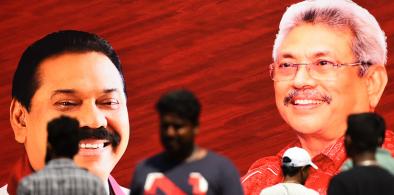
Some of the decisions by the CC have resulted in a major tussle between the Council and the Executive in Sri Lanka, writes Sugeeswara Senadhira for South Asia Monitor

Devising a strategy to help close the digital skills gap should be a key focus for all businesses during the next decade and beyond, writes Partha Pratim Mitra for South Asia Monitor
A common thread that runs through them is of COVID-19 taking the back seat in the plans and actions of various stakeholders in the AfPak region working at cross-purposes, writes Mahendra Ved for South Asia Monitor
There is growing realization within the government and diplomatic community that India stands to lose a great deal in allowing Islamophobia to spread within India and among Indians abroad and some nimble diplomacy is required to change perceptions, writes Nilova Roy Chaudhury for South Asia Monitor
Indian pharma’s soft power has, no doubt, opened up possibilities for foreign policy in the neighbourhood, writes N Chandra Mohan for South Asia Monitor
The terrific trio of Modi, Macron and XI should meet over videoconference and announce WAVE. They have the capability and potential to make history, writes Rajendra Shende for South Asia Monitor
What really jumps up from the plethora of information floating around is the lack of preparedness and lack of governmental attention to health care, especially in the overcrowded South Asian region, writes Sreeradha Datta for South Asia Monitor
Irrespective of whether they succeed in convincing the foreigners, the reactions in India to the minister’s assertion will range from amusement to derision, writes Amulya Ganguli for South Asia Monitor
This abundant food-in-the-granary exigency will unfold even as a large number of Indians are grappling with hunger pangs and are stuck in varying degrees of deprivation, writes C Uday Bhaskar for South Asia Monitor

The wider consequences of the agreement between the US and Taliban remain ambiguous, writes Iqbal Dawari for South Asia Monitor

The Indian government’s decision to pass and enact, in December 2019, the Citizenship Amendment Act, naming Bangladesh as a country where minorities are persecuted, had an extremely negative fallout in that country, writes Nilova Roy Chaudhury for South Asia Monitor

India is poised for an all-out war and, like in any war, this is not the time for partisanship. It’s in this scenario that Modi will find himself at a fork in the road, writes E.D. Mathew for South Asia Monitor

Indeed, if anyone is serious about the plight of the Rohingyas and is looking for sustainable solutions to the crisis, then the person ought to put her gaze not on Bangladesh but on Myanmar, writes Imtiaz Ahmed for South Asia Monitor