The gloves are indeed off. Now New Delhi must ensure that the Indian Army’s mountain corps is made fully ready to foil further Chinese military moves, writes Anil Bhat for South Asia Monitor


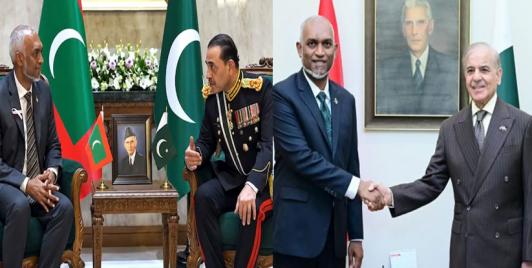
The Maldives, like other small states, has an interest in diversifying its international partnerships, widening its economic choices and retaining room for diplomatic manoeuvre. Engagement with Pakistan does not necessarily come at India's expense
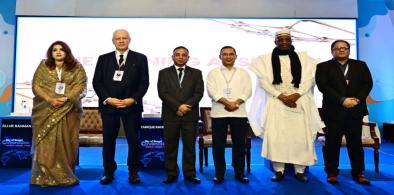
Three days of dialogue, debate, and engagement in Dhaka reinforced a sobering reality: despite ongoing discussions about multipolarity, middle powers, and strategic autonomy, great powers continue to shape the choices available to smaller states.
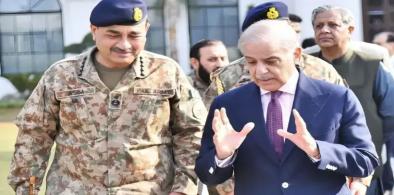
It would be simplistic to assume that every retired general appointed as an ambassador is an instrument of Asim Munir's influence. It would be equally complacent to dismiss the wider institutional implications of placing so many former military officers in diplomatic positions across several regions.

Arunachal Pradesh presents a particularly important dimension of the problem. China claims the northeast Indian state, refers to it as Zangnan, or South Tibet, and periodically challenges India's sovereignty through statements and the assignment of Chinese names to places within the state.
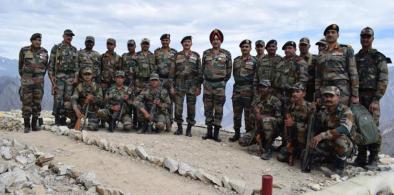
The gloves are indeed off. Now New Delhi must ensure that the Indian Army’s mountain corps is made fully ready to foil further Chinese military moves, writes Anil Bhat for South Asia Monitor
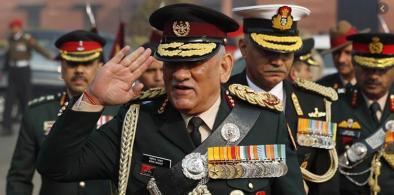
Potential Indian defence ministers will have to be qualified to carry out the duties and responsibilities of that office effectively. This will automatically generate a culture of strategic thinking in the political rank and file, writes Lt Gen (Dr) Yash Malhotra (retd) for South Asia Monitor
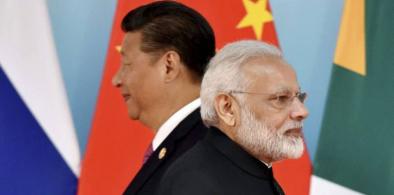
The Chinese are extremely wary and suspicious of India's growing closeness with the US and feel that the US was seeking to "draw a line" around China, writes Tarun Basu for South Asia Monitor
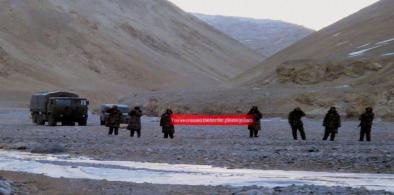
China’s message to India is loud and clear that it has absolutely no intention to withdraw soon. It has also proved that the collusive support of China and Pakistan to each other against India has been translated into reality, writes Lt Gen Rameshwar Roy (retd) for South Asia Monitor
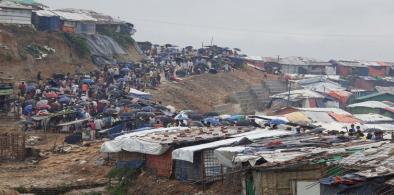
Since Bangladesh is among the lowest testing countries, Rohingyas living in these makeshift camps are largely deprived of testing for COVID-19, writes Shanjida Shahab Uddin for South Asia Monitor
Experts feel that the outbreak of the COVID-19 pandemic has brought about new opportunities for regional cooperation in South Asia with the setting up of an emergency fund of $10 million to fight the pandemic with India's initiative, writes Partha Pratim Mitra for South Asia Monitor
While India never had hegemonistic tendencies, China the ‘middle power’ always wanted to restore its past glory by any means, which included grabbing/occupying land and maritime zones based on its perception of past ownership, writes Lt Gen P R Kumar (retd) for South Asia Monitor

The efficiency of response has varied across India. Kerala, Karnataka, Odisha, Andhra Pradesh, Rajasthan, Punjab, Haryana and the Northeastern states responded well, with strong public health measures combined with empathetic social services, writes Prof. K. Srinath Reddy for South Asia Monitor
China has made all-out efforts to draw Nepal into its strategic sphere and has stoked anti-India feelings, writes Lt Gen P. C. Katoch (retd) for South Asia Monitor
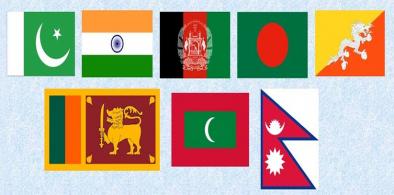
In SAARC political agenda always dominated social and economic issues, whereas in successful regional organizations like ASEAN and EU, socio-economic issues prevailed over politics, writes Aneek Chatterjee for South Asia Monitor
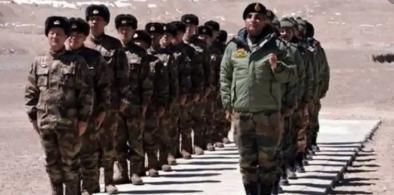
The immediate task is to get the PLA to leave Galwan without loss of face. On the other hand, could this just be the opportunity for the two sides to settle new LACs in the three sectors? writes Mohan Guruswamy for South Asia Monitor

The militants and various violent groups want to suppress the 'voice of reason' and in doing so they target the media with utmost force and hatred. The factor of impunity is one of the main reasons for continued atrocity towards Afghan journalists and media, writes Dr. Sanchita Bhattacharya for South Asia Monitor
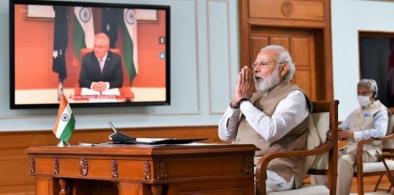
With shared concerns over Chinese hegemony, the time is right for a closer engagement between New Delhi and Canberra, writes Amit Dasgupta for South Asia Monitor
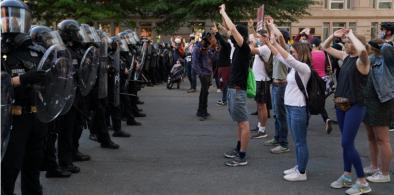
What racism is in the world’s oldest democracy, communalism unfortunately is in its largest version in India. It is no secret that sizeable sections of India’s largest community, the Hindus, are communal, writes Amulya Ganguli for South Asia Monitor
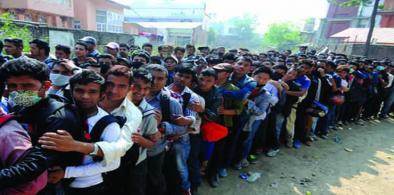
After the pandemic, migrant workers, including the semi-skilled and skilled labour and small-scale business people, and private job holders, who are returning from abroad, will form the neo-lower class - a new working class - that will constitute a significant population in Nepal, writes Roshan Chirag for South Asia Monitor