Nepal's greatest shortage is not simply money or infrastructure; it is leaders who can use them well. Without the right leadership, resources remain locked in inefficiency, corruption, and bureaucratic gridlock.


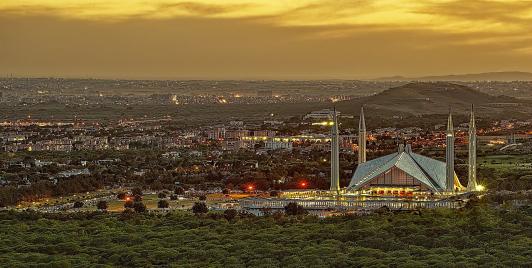
This raises the issue not whether Islamabad has surpassed its outmoded and fragmented administrative structure but whether governance would keep pace with its growth. Islamabad has to evolve from being administered as a capital city into being governed as a metropolis.

The inhabitants of Manipur have had long-standing experiences of living insecurely in their own homeland, even as migrants from the Northeast have encountered prejudice in metropolitan India....India has produced a paradox where communities that belong formally to India can also face exclusion from the social mainstream.
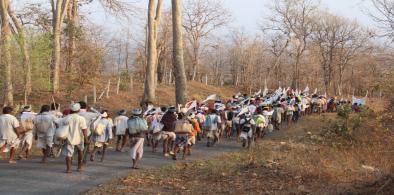
Before asking how quickly a project can be implemented, policymakers should ask whether it can be redesigned to reduce displacement. Before acquiring new land, can existing degraded land be used? Can infrastructure be built around communities rather than communities being moved around infrastructure?

Identity and financial crimes that occur across India's borders never begin with anything overtly fraudulent. They generally begin with a small breach in routine authentication processes. Biometrics, forensic document examination, and audit trails can each
Nepal's greatest shortage is not simply money or infrastructure; it is leaders who can use them well. Without the right leadership, resources remain locked in inefficiency, corruption, and bureaucratic gridlock.
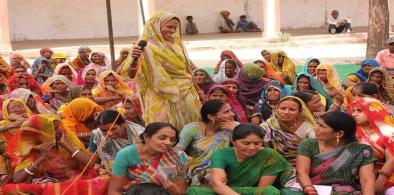
It has been formally recognised in the Report of the Advisory Committee on Women Pradhans, Transforming Women’s Representation and Role in Panchayati Raj Institutions: Efforts to Eliminate Proxy Participation, which recorded that elected women representatives are often “represented by their husbands or male relatives” and recommended the imposition of stringent and exemplary penalties to curb such practices.
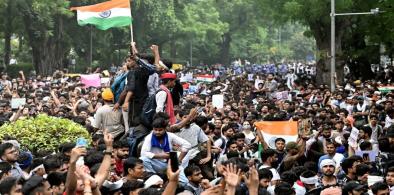
When economic transformation outpaces institutional renewal anywhere in South Asia, the gap between aspiration and opportunity becomes fertile ground for frustration, alienation, and political discontent. The leaked papers in India were only the trigger
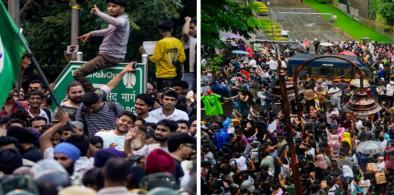
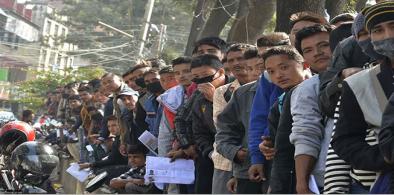
The youth eruption is a consequence of pent-up anger and frustration of the government's indifference to the repeated leaks of exam question papers for which millions of doctor, engineer, police and civil service aspirants prepare for years. Over 20 students have reportedly committed suicide after the NEET exam paper leak for which they had toiled for over a year
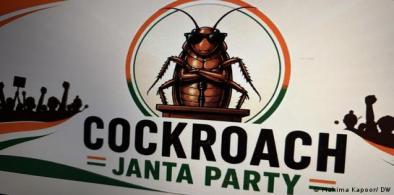
The rise of the Cockroach Janta Party is not only the rise of yet another protest group. It is testing how India's democratic system is secure enough to accommodate and to be questioned by the very same generation who will take over from it.
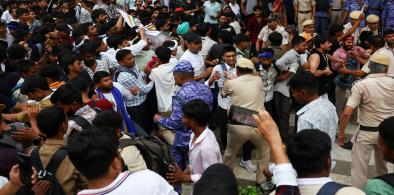
The Republic does not need a police force that teaches citizens to fear the State. It needs a citizens' police that gives them reason to trust the Constitution. Because the young person standing behind the barricade is not an enemy of the Republic. Sometimes, he has travelled more than a thousand kilometres simply because he still believes enough in Indian democracy to show up.

As Sri Lanka relies heavily on indirect taxes, even government (short term) efforts to stimulate economic activities will automatically reduce the living standards of low and middle income households. This is because any increase in economic activity results in a disproportionate increase in taxes.
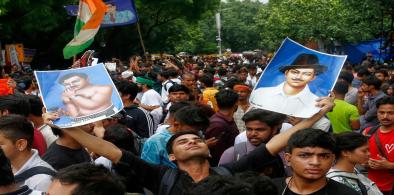
The sheer visual impact of the brutality of July 20 Jantar Mantar police action revealed yet again a society in profound ferment. It is not clear whether the government of Prime Minister Narendra Modi realizes the lasting damage such unbridled brutality does to India’s image. Irrespective of the merit of the cause of the protest—and it is obvious that this one is grounded in a legitimate cause—government at every level in India desperately needs to completely transform policing.
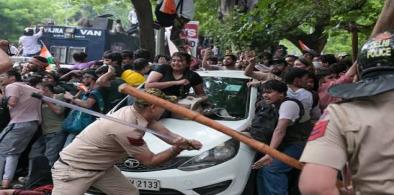
Democracy is not just about voting every five years. Democracy is about the ability to look your government in the eye and say “you are wrong” — without fear of being beaten for it.And yes, July 20 was a sad day for democracy. It was sad to see brutal force used against young citizens. It was sad to see the Delhi Police behave in a manner that shames the uniform.
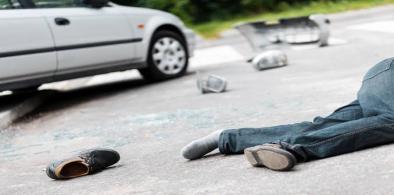
Data from India's ministry of road transport and highways show that road crashes claim around 175,000 lives each year, with pedestrians bearing a disproportionate share of the toll. In 2024, as many as 36,526 pedestrians were killed, representing 20.6 per cent of all road fatalities.
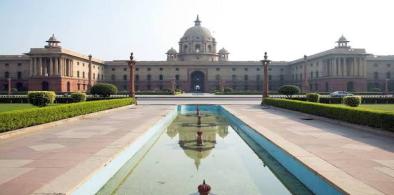
India must also deglamorise its bureaucracy. Bureaucrats occupy oversized office spaces, are allotted luxury housing, use oversized vehicles, get large numbers of support staff and personal assistants who work like personal valets and concierges. Political leaders across the globe carry their own bags. Here bureaucrats get servants to have their boots polished. This must clearly stop forthwith.
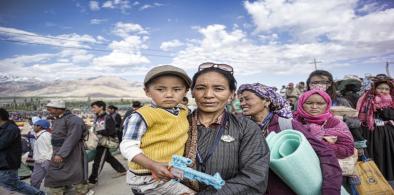
Few regions in India have such an extensive and layered system of representation. Ladakh is therefore not merely creating new councils. It is building a new model of governance based on geography, identity, participation and national interest. It is taking democracy beyond the main towns
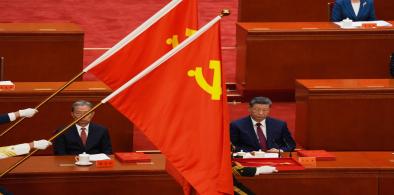
From the Indian perspective, the extraterritorial jurisdiction clause directly implicates the Tibetan exile community residing in India, potentially exposing CTA officials, Dharamsala based researchers and Tibetan advocacy networks to a Chinese claim of jurisdiction.

The Ahmedabad verdict should not be viewed merely as the culmination of one terrorism trial. It represents the maturation of India's institutional capacity to confront terrorism through both security and law. Over the past two decades, India has steadily strengthened its counter-terrorism architecture
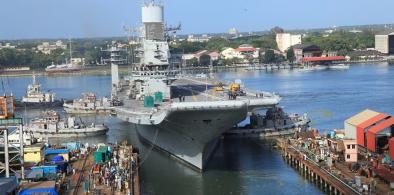
The revival of shipbuilding has become a central pillar of national policy, extending across defence, commerce and industrial development. Indian shipyards today construct aircraft carriers, submarines, destroyers, offshore patrol vessels and a wide range of commercial vessels.