In today’s climate-crisis situation, tough calls will have to be made for the cause of the environment. This will, unfortunately, become a regular part of our lives


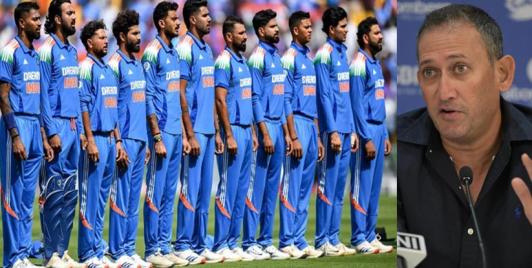
For all the glamour surrounding Indian cricket, the selector remains one of its least celebrated figures. He must look beyond the next headline, the next controversy, and even the next defeat. His finest decisions may never make the headlines. His mistakes certainly will.
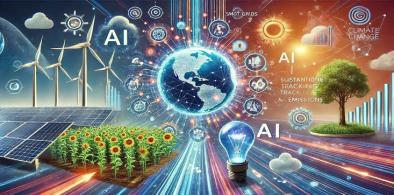
South Asia’s climate risks are shared across countries. Rivers such as the Ganga, Brahmaputra and Indus do not respect national boundaries, and torrential rains in one country can lead to floods in another. Satellite data, flood forecasts and flood warnings could, therefore, be shared to enhance disaster preparedness across the region.
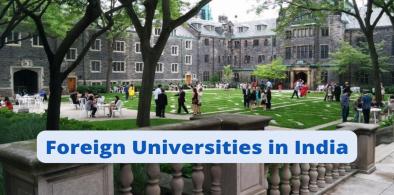
The British Council's South Asia dialogue on TNE brought together policymakers, quality-assurance agencies, experts and higher education leaders from five South Asian countries and the United Kingdom. The discussions covered TNE policy, quality assurance, partnership management and mutual recognition of qualifications.
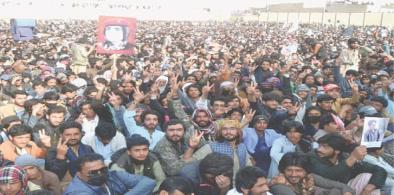
The CMSPP can help Balochistan address one of the most pressing challenges it encounters today – youth unrest and militancy. The radical Islamic groups and terrorist organizations often utilize the discontent of the youth of Balochistan to further their own agendas.

In today’s climate-crisis situation, tough calls will have to be made for the cause of the environment. This will, unfortunately, become a regular part of our lives

Is the Universe designed to end one day
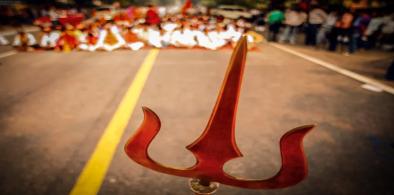
The attack on syncretism from multiple directions and the communal distraction in the face of the worsening plight of people should worry us all
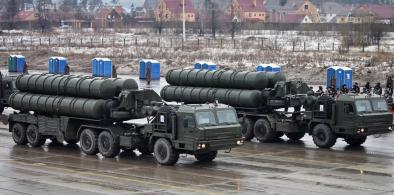
The waiver granted to India could be considered as a significant step towards strengthening the US military partnership with India
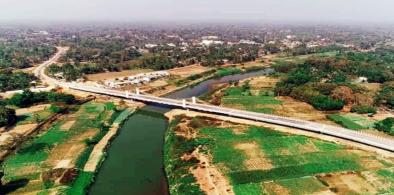
Bangladesh's Assistant High Commissioner in Guwahati. Shah Mohammad Tanveer Mansoor, feels there is a good demand for Bangladeshi products in northeast India
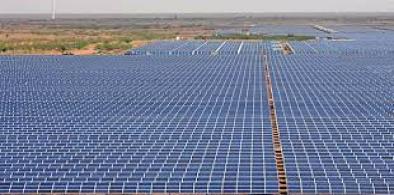
Algae biofuel project and DME project are economically and technically viable and commercially proven technologies for licensing are available abroad
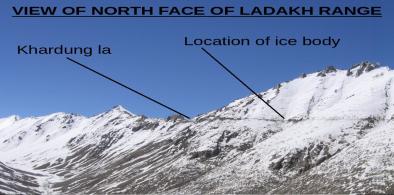
And so it was that serendipitously, a mere 90-foot SS Bailey bridge constructed to solve a problem, “accidentally” and fortuitously became the highest altitude bridge
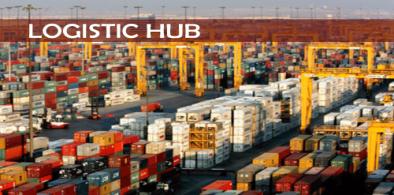
West Bengal has the potential to become a growth engine for the entire BBIN region. It can be a driver for realizing the Act East policy and gain from greater engagement with South-East Asia from Kolkata to Manila and Tokyo
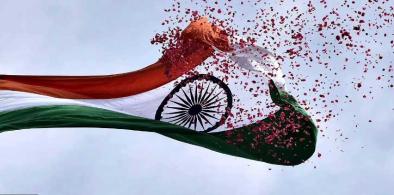
Mere symbols don’t bring the substance unless values of Fraternity, Equality and Liberty are followed, writes Dr Ram Puniyani for South Asia Monitor
When you are honest with yourself, you accept yourself. Public opinion cannot shake you, writes Dr Kousar A Shah for South Asia Monitor

If we can reduce this anxiety by a combination of drugs and yoga, then maybe we will be able to produce a happier and less conflict-driven society and world, writes Anil. K Rajvanshi for South Asia Monitor

Jawaharlal Nehru was pained by the abuse of religion by peddlers of blind faith and those using religion as a cover for their political goals, writes Dr Ram Puniyani for South Asia Monitor
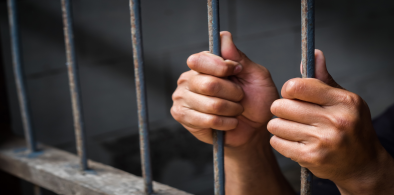
A proper monitoring of cases right from the remand stage, with a detailed look at whether the demand of the investigating agencies is justified, will set the ground for a more responsive and responsible investigative machinery

Until recently, the Awami League has given load shedding free electricity facility to 100% of the people of the country. But now, as a result of the Russia-Ukraine war, the global energy crisis has hit Bangladesh as well, writes Sufian Siddique for South Asia Monitor
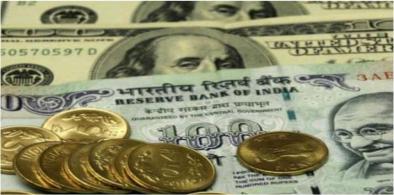
The coming months will call for deft macroeconomic management of the twin deficits, on the external and internal front. A higher fiscal deficit invites higher interest rates. And a higher trade deficit invites a weaker rupee