Despite all this, Myanmar should expect China to keep tightening its vice-like grip using terrorists, writes Lt Gen Prakash Katoch (retd) for South Asia Monitor


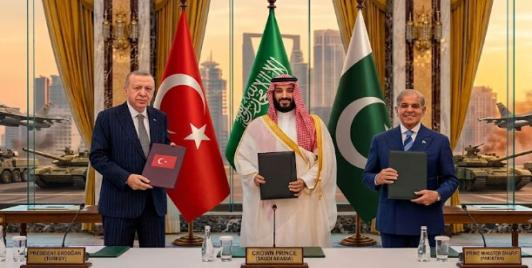
It would also explain why Pakistan is trying to preserve a distinction between supporting Saudi Arabia and fighting the Houthis. Pakistan has every reason to avoid another open-ended conflict in the Middle East. Its military is heavily committed to its own security challenges. Its economy cannot easily absorb the political and financial consequences
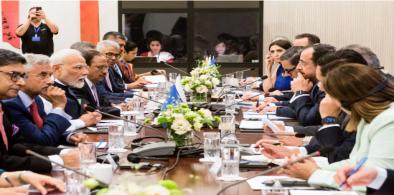
EU and India could establish a regular EU–India-Middle East Consultative Mechanism involving foreign-policy officials and experts. Its purpose would be to coordinate positions before major international gatherings and meetings.

For Sri Lankan politics, this is more than diplomatic sightseeing. It raises a fundamental question whether the JVP is developing a sophisticated strategy of balancing relations with India and China or is it gradually adapting itself to the organisational models of powerful one-party or dominant-party systems in China and India respectively?

The ongoing civil war in Myanmar has caused an influx of armed cadres (Meitei, Naga and Kuki) into Manipur's border tracts like Kamjong district, further squeezing finite land resources and aggravating historical territorial disputes. What began as a localized dispute under the state's newly elected government in February 2026 has escalated into intense, multi-district armed warfare.
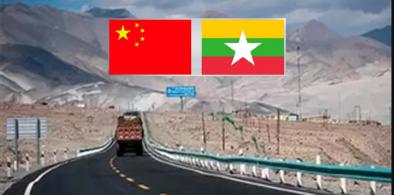
Despite all this, Myanmar should expect China to keep tightening its vice-like grip using terrorists, writes Lt Gen Prakash Katoch (retd) for South Asia Monitor

Dubbed “Witches of Pakistan,” Churails are about four feisty women who seek to chase and expose men engaged in infidelity, writes Mahendra Ved for South Asia Monitor
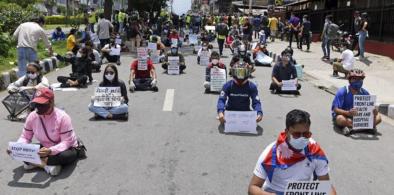
So, with the recognition of international obligations, the states could adopt a unanimous disaster/pandemic risk governance system to enable disaster preparedness and risk reduction mechanisms, writes Jivesh Jha for South Asia Monitor

Within the four sub-regions of South Asia, Bangladesh, India, Nepal, and Bhutan will be doing better as compared to other countries of the region, writes Partha Pratim Mitra for South Asia Monitor
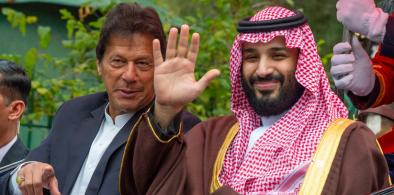
The growing burden of public debt remains a major source of vulnerability for Pakistan, especially when it has to borrow more and more to service its existing obligations, both domestic and foreign, writes N Chandra Mohan for South Asia Monitor
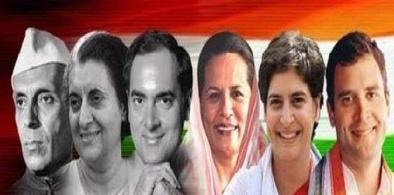
Can the ailing Sonia, a supposedly abrasive Rahul and a Priyanka carrying the burden of a tainted husband be inspirational? Or will the 135-year-old party slowly sink into oblivion to fulfil the BJP’s dream of a Congress-mukt (free) India? writes Amulya Ganguli for South Asia Monitor
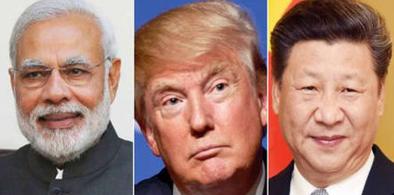
China is also aware of India joining the US camp if driven too hard, apart from the increasing realisation that India is no longer a soft state and will stand resolutely and be prepared to fight when its core national interests are threatened, writes Lt Gen P R Kumar (retd) for South Asia Monitor

For Kashmiri Pandits, Hindus, Sikh, and some Muslim migrants to be resettled meaningfully in the Valley, there is a need for a booster dose of political will, writes Anil Bhat for South Asia Monitor
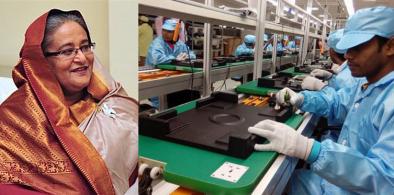
The question is whether these initiatives are really sufficient enough to effectively lead Bangladesh in the next 21 years and are we in a position to set a comprehensive plan for short, mid and long-term mission to achieve the vision covering all sectors, writes Dr. Mohammad Rezaul Karim for South Asia Monitor
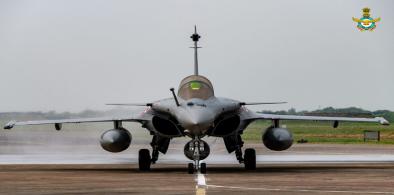
As the scars of the recent border clash between China and India are still afresh and the tug of war between Pakistan and India over Kashmir continues, security concerns for each nation will continue to rise, writes Megda Bharadwaj for South Asia Monitor
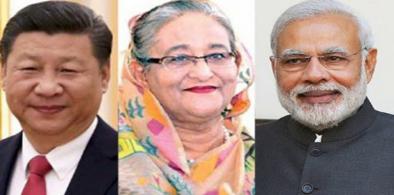
Bangladesh has two such neighbors - India and China - who are both trying to establish their prominence on their shared boundaries while also trying to get a powerful grip over South Asia, writes Tasmiah Nuhiya Ahmed for South Asia Monitor
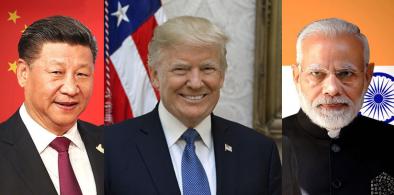
The reshuffling of the deck internationally is taking place, and it will be interesting to watch it play out, and especially how India, and other South Asian countries, maneuver through the geostrategic maze, writes Lt Gen P R Kumar (retd) for South Asia Monitor
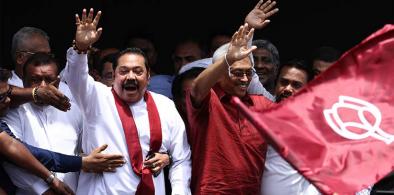
India must try and upgrade its ties with Sri Lanka to the level of strategic partnership, writes Pranay Kumar Shome for South Asia Monitor
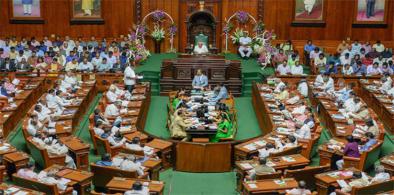
During the last 25 years both these so-called high constitutional offices have repeatedly come under judicial scrutiny and invited adverse comments from the Indian courts, writes Vinod Aggarwal for South Asia Monitor
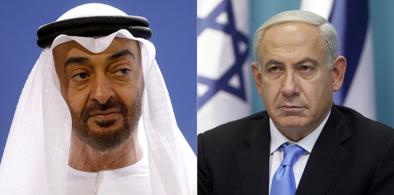
More Gulf States inking peace with Israel will upset Chinese plans to upstage Saudi Arabia’s position in the Organization of the Islamic Cooperation (OIC) and replace it with Turkey, using Pakistan as the handle, writes Lt Gen P. C. Katoch (retd) for South Asia Monitor