Within the four sub-regions of South Asia, Bangladesh, India, Nepal, and Bhutan will be doing better as compared to other countries of the region, writes Partha Pratim Mitra for South Asia Monitor


The face-offs in Arunachal Pradesh—specifically around areas like Asaphila, Taksing, and Maza—have reignited intense debate regarding Beijing's commitment to bilateral border agreements. That China signs agreements it has no intention of following on the ground is a perception shared by many Indian diplomatic and security experts.

Progress on the Ganga could also build the trust needed for wider cooperation among Bangladesh, Bhutan, India and Nepal in electricity trade, connectivity and climate adaptation. Both governments should act now.
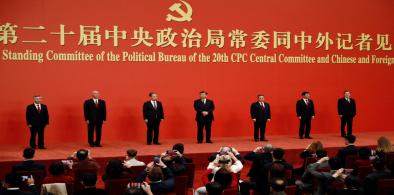
Border settlements, transportation networks, surveillance grids, and civilian administration now work alongside conventional defense planning to strengthen Beijing’s claims. Understanding China’s rise requires attention not just to military power projection but also to these quiet instruments of authority.
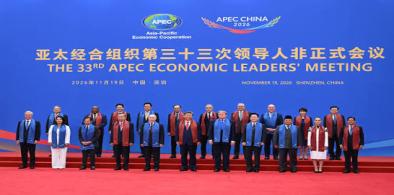
That is the paradox of Shenzhen. An odd summit, convened by three leaders with different compulsions, produced an anodyne declaration that nevertheless impinges onto India's core concerns: UN reform without India, ICC impunity versus UNCLOS, and energy through Hormuz.

Within the four sub-regions of South Asia, Bangladesh, India, Nepal, and Bhutan will be doing better as compared to other countries of the region, writes Partha Pratim Mitra for South Asia Monitor

The growing burden of public debt remains a major source of vulnerability for Pakistan, especially when it has to borrow more and more to service its existing obligations, both domestic and foreign, writes N Chandra Mohan for South Asia Monitor

Can the ailing Sonia, a supposedly abrasive Rahul and a Priyanka carrying the burden of a tainted husband be inspirational? Or will the 135-year-old party slowly sink into oblivion to fulfil the BJP’s dream of a Congress-mukt (free) India? writes Amulya Ganguli for South Asia Monitor
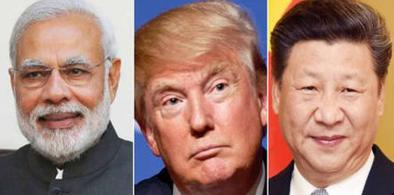
China is also aware of India joining the US camp if driven too hard, apart from the increasing realisation that India is no longer a soft state and will stand resolutely and be prepared to fight when its core national interests are threatened, writes Lt Gen P R Kumar (retd) for South Asia Monitor

For Kashmiri Pandits, Hindus, Sikh, and some Muslim migrants to be resettled meaningfully in the Valley, there is a need for a booster dose of political will, writes Anil Bhat for South Asia Monitor
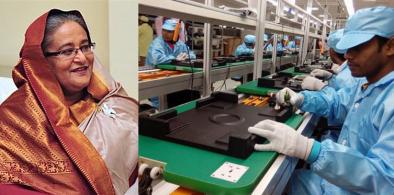
The question is whether these initiatives are really sufficient enough to effectively lead Bangladesh in the next 21 years and are we in a position to set a comprehensive plan for short, mid and long-term mission to achieve the vision covering all sectors, writes Dr. Mohammad Rezaul Karim for South Asia Monitor
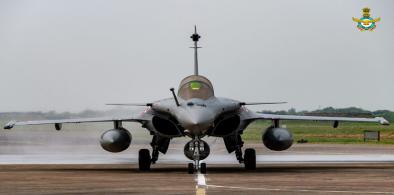
As the scars of the recent border clash between China and India are still afresh and the tug of war between Pakistan and India over Kashmir continues, security concerns for each nation will continue to rise, writes Megda Bharadwaj for South Asia Monitor
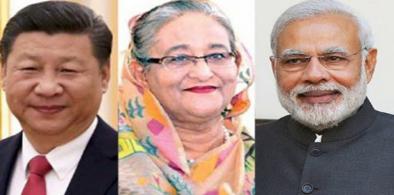
Bangladesh has two such neighbors - India and China - who are both trying to establish their prominence on their shared boundaries while also trying to get a powerful grip over South Asia, writes Tasmiah Nuhiya Ahmed for South Asia Monitor
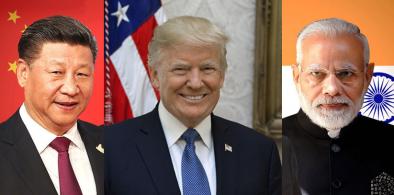
The reshuffling of the deck internationally is taking place, and it will be interesting to watch it play out, and especially how India, and other South Asian countries, maneuver through the geostrategic maze, writes Lt Gen P R Kumar (retd) for South Asia Monitor
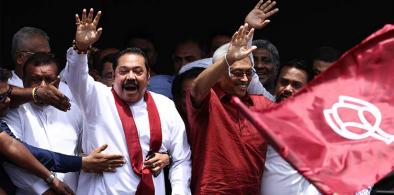
India must try and upgrade its ties with Sri Lanka to the level of strategic partnership, writes Pranay Kumar Shome for South Asia Monitor
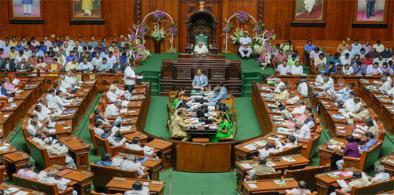
During the last 25 years both these so-called high constitutional offices have repeatedly come under judicial scrutiny and invited adverse comments from the Indian courts, writes Vinod Aggarwal for South Asia Monitor
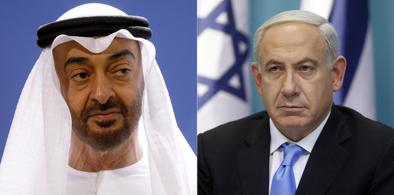
More Gulf States inking peace with Israel will upset Chinese plans to upstage Saudi Arabia’s position in the Organization of the Islamic Cooperation (OIC) and replace it with Turkey, using Pakistan as the handle, writes Lt Gen P. C. Katoch (retd) for South Asia Monitor
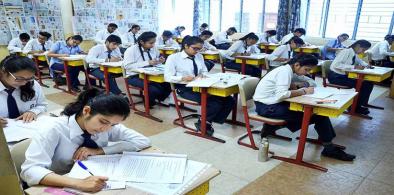
What the Indian government has put forward is a grand vision and policy framework. It reflects the government’s aspirations as to where it would like to see learning, education, teaching, and research, writes Amit Dasgupta for South Asia Monitor
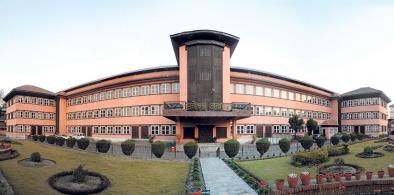
The non-compliance of court orders would not only lower the public confidence on the judiciary in Nepal, but it will also pose threats to judicial credibility and rule of law, writes Jivesh Jha for South Asia Monitor
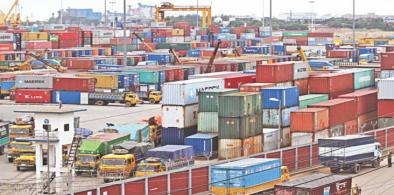
South Asian nations would see a bilateral advantage in establishing trade and economic relationships with each other and the formal association of economic cooperation - SAARC- which they have set up would gain strength by giving each other more trade access and tariff concessions to their goods and services, writes Partha Pratim Mitra for South Asia Monitor