Many developing countries, including Pakistan and Sri Lanka in South Asia, are teetering on the brink of an economic catastrophe and need international bailouts.


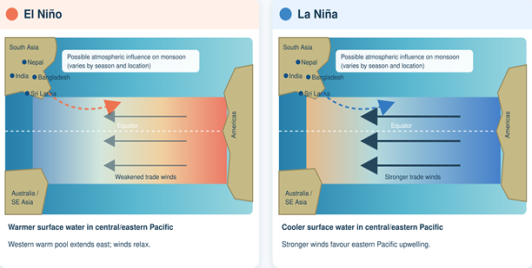
AI may genuinely extend the horizon over which seasonal climate risk can be estimated. For communities across South Asia living under the influence of the monsoon, a longer view could mean the difference between a farmer adjusting her planting in time and a family receiving a flood warning too late to act.
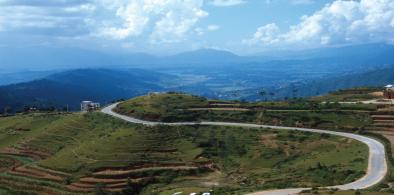
The broader lesson for South Asia is equally important. Hilly regions cannot be developed simply by transferring lowland infrastructure models into mountainous terrain. Investment has to respond to local economic systems, geography and environmental risks.

The UN's 2026 report warns that “long-term water use has exceeded renewable inflows and safe depletion limits,” leaving some water supplies beyond recovery. As the world’s largest groundwater extractor, India sits at the centre of this reckoning
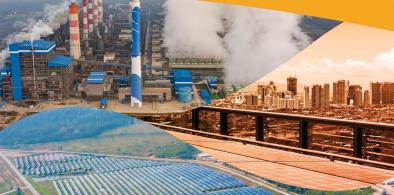
The larger economic choice for South Asia is therefore broader than whether to participate in carbon trading. The region can remain primarily a supplier of relatively inexpensive mitigation outcomes, or it can also develop the technology, professional capacity, financial products and verification systems that determine what those outcomes are worth.
Many developing countries, including Pakistan and Sri Lanka in South Asia, are teetering on the brink of an economic catastrophe and need international bailouts.
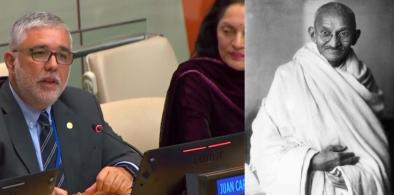
India is guided by the concept of “Vasudaiva Kutumbakam,” the “world being one large interconnected family”, and has emerged as the “first responder” to the crises around the world showing “altruism of the highest kind” as during the Covid pandemic. She listed India’s most recent responses to the earthquake in Turkiye and Syria, and to the crises in Sri Lanka, the Maldives, Mozambique and other countries.
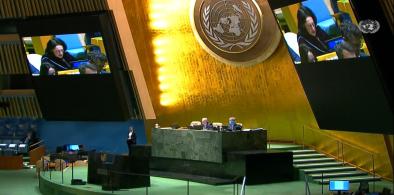
Kamboj said that India was concerned that the “conflict has resulted in the loss of countless lives and misery, particularly for women, children and the elderly, with millions becoming homeless and forced to seek shelter in neighbouring countries. economic reports of attacks on civilians and civilian infrastructure are also deeply concerning”.
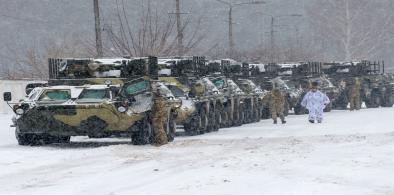
India, which was a member of the Council last year, was caught in the middle of the polarisation at the UN, both at the Council and the Assembly, because of its dependence on Russian arms and the support it had received at crucial times in the Security Council from its predecessor the Soviet Union.
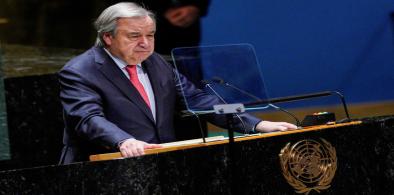
“The war is also fanning regional instability and fueling global tensions and divisions, while diverting attention and resources from other crises and pressing global issues”, Guterres said outlining the war’s fallout on the global economy, the food crisis affecting the global south and the nuclear danger.
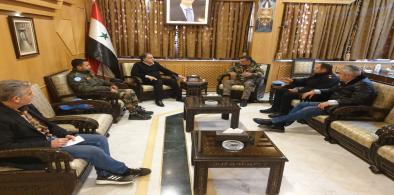
India contributes 200 personnel and Nepal 415 to UNDOF, which is headed by Major General Nirmal Kumar Thapa of Nepal.
China pays almost 120 million to the annual budget of WHO the second highest contributor and has the third-largest voting power at the World Bank based on its shareholding. Beijing has made a concerted effort to have its nationals head international organisations, and the West later organised a pushback.
The report noted that the Dae’sh - or ISIS - has threatened to attack India’s diplomatic mission in Afghanistan. It said that the Dae’sh “remained a significant terrorist threat in Central and South Asia, and the group retained ambitions to conduct external operations” and that “it had positioned itself as the primary rival to the Taliban and was reportedly set to portray the Taliban as incapable of providing security in the country”.
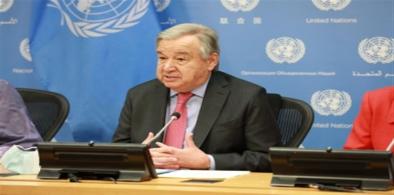
Focusing on the Abrahamic faiths, Guterres said, “antisemitism, anti-Muslim bigotry, the persecution of Christians, racism and white supremacist ideology are on the march”, but left out the attacks on and threats faced by minorities belonging to religions like Hinduism, Sikhism and Bahaism.
For South Asia as a whole, the report said the region’s “economic outlook has significantly deteriorated due to high food and energy prices, monetary tightening and fiscal vulnerabilities” and it forecast a 4.8 per cent growth year and 5.9 per cent next year.
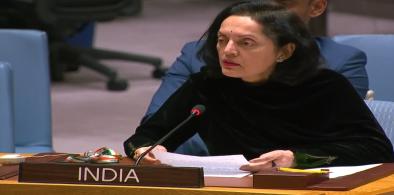
“The application of rule of law at the international level should protect the sovereignty and territorial integrity of States from aggression, including terrorism, and including cross border terrorism”, Kamboj said. The remarks were directed at Pakistan, but without mentioning it by name.
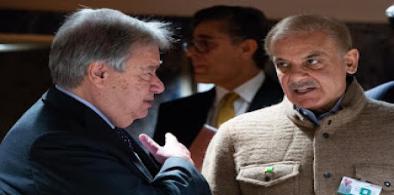
Guterres also brought up the issue of the international debt burden faced by some countries, notably Pakistan, which he called “a victim of the manmade disaster of a morally bankrupt global financial system”.
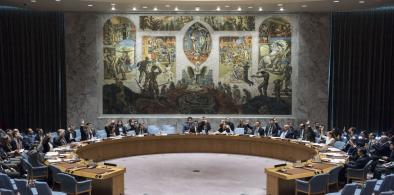
This month External Affairs Minister presided over two high-level meetings of the Council covered by India on reforming multinational organisations including the Council and on fighting terrorism, both of which have proved popular.
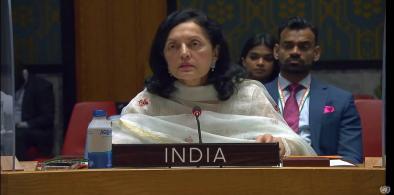
The complex situation in Myanmar requires “quiet and patient diplomacy”, Kamboj said. The welfare of the people of Myanmar is of “utmost priority” and at “the core of our efforts” there, she said.
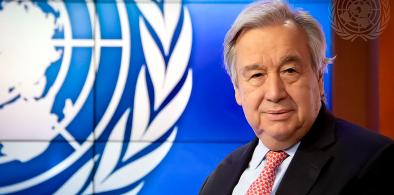
India is pressing for Council reforms, which have stalled for decades, and lobbying for a permanent seat. As its president this month, India convened a ministerial-level meeting of the Council on reforming the UN which put a spotlight on the Council’s basic architecture of permanent membership mired in post-World War II geopolitics which has changed dramatically in 75 years.