United Nations Secretary-General Antonio Guterres called for a “revolution” in urban planning and urban transport to beat back the impacts of climate change and build a green and sustainable future for all



A university in India should be able to learn from one in Africa. A Latin American campus should be able to adapt an innovation developed in Asia. Universities should be able to compare pathways, learn from failures, share data and accelerate solutions. This is where SCCN can play a distinctive role
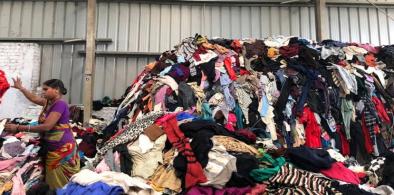
Unlike many regions where imported garments quickly become waste, countries such as India have built thriving ecosystems of repair, resale and recycling. Long before the "circular economy" entered policy vocabulary, informal markets and recycling clusters had already extended the life of clothing through reuse and material recovery.

If Earth Overshoot Day falls on 30 July in 2026 , humanity is currently effectively requiring nearly one and three-quarter Earths to sustain its present patterns of production and consumption.

Climate change is reshaping national security in South Asia. Military preparedness, though important, cannot make up for decaying infrastructure, failing water systems, or recurrent economic disruptions brought on by extreme weather. Governments must expand the definition of security to incorporate climate resilience as a central strategic goal.
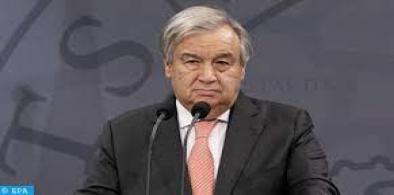
United Nations Secretary-General Antonio Guterres called for a “revolution” in urban planning and urban transport to beat back the impacts of climate change and build a green and sustainable future for all
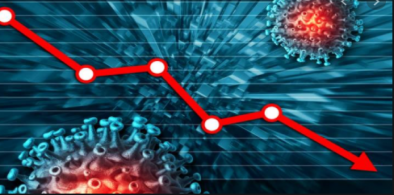
The COVID-19 pandemic is leading to “an even more unequal world”, the Deputy UN chief said on Thursday, speaking at the closing session of the Financing for Development (FfD) Forum, with many lower-income countries now seeing development gains reversed
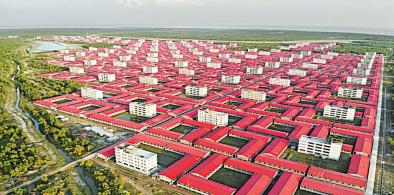
The team of the United Nations who had visited Bhasan Char island - the new site for the relocation of 100,000 Rohingya refugees - has expressed its satisfaction with the facilities developed by the Bangladesh government
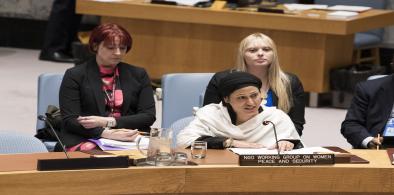
“Prevention is the best and only cure” to stem the multiple, devastating and enduring consequences faced by survivors of sexual violence in conflict, especially as a brutal tactic of war, a senior UN official told the Security Council on Wednesday

Faced with alarming and extended closures due to the COVID-19 pandemic, the world’s museums are of “fundamental importance” to reviving cultural life and preserving our shared heritage “in all its diversity”, said the UN cultural agency chief on Tuesday
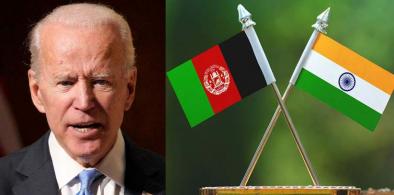
India has been invited to an Afghanistan peace conference in Turkey to back up the slowed down negotiations in Qatar between the Taliban and the Kabul government ahead of a delayed US withdrawal from that country, according to diplomatic sources
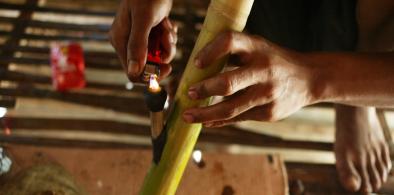
The growing complexities of the world drug problem are hampering efforts to achieve sustainable development by the end of the decade: a situation which the COVID-19 pandemic has only compounded, the Executive Director of the UN Office on Drugs and Crime said on Monday
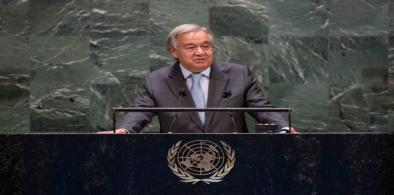
A “paradigm shift” aligning the private sector with the global goals is needed to address the challenges of the future, including those triggered by COVID-19, the UN chief said on Monday, addressing the Financing for Development (FfD) Forum
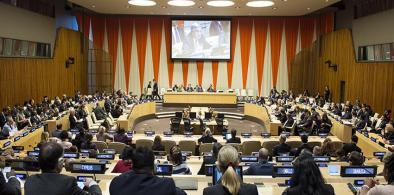
Pakistan Prime Minister Imran Khan has urged creditors to provide debt suspension, relief and liquidity to help developing nations cope with the negative economic impact of the COVID-19 pandemic
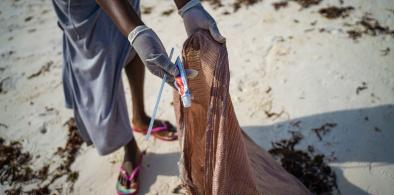
An UN-backed initiative aims to turn the tide on marine litter, in line with the global development goal on conserving and sustainably using the oceans, seas and marine resources
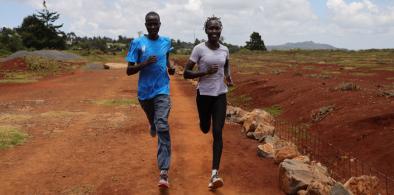
Ahead of Tokyo 2021, it’s never been more important to support the refugee athletes who have escaped conflict and persecution and who continue to train, despite the challenge of the COVID-19 pandemic
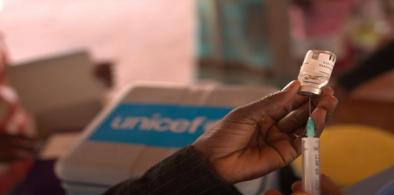
UNICEF Executive Director Henrietta Fore has called for simplifying intellectual property rights governing COVID-19 vaccines in order to make them universally available but expressed reservations about completely suspending the patents during the pandemic as demanded by India and South Africa
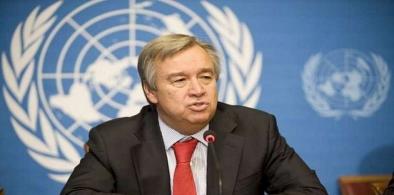
The COVID crisis "has revealed how unequal our societies are” said the UN chief in his message for World Health Day released on Monday
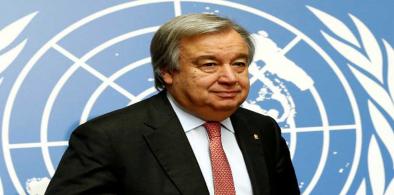
Building a more inclusive and accessible world that recognizes the contributions of all people, including persons with disabilities must be a “key goal” as countries work to recover from COVID-19 pandemic, United Nations Secretary-General said on Friday, commemorating World Autism Awareness Day.
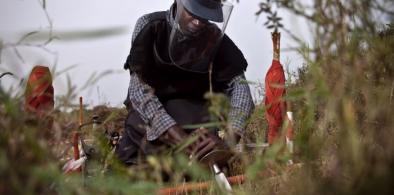
United Nations Secretary-General has called on the international community to recommit to the target of a mine-free world, urging efforts to “make this the last decade when we need to devote ourselves to this task”.