A new wave of COVID-19 infections is spreading like “wildfire” across India, leaving many youngsters destitute, the UN Children’s Fund UNICEF said on Friday



A university in India should be able to learn from one in Africa. A Latin American campus should be able to adapt an innovation developed in Asia. Universities should be able to compare pathways, learn from failures, share data and accelerate solutions. This is where SCCN can play a distinctive role
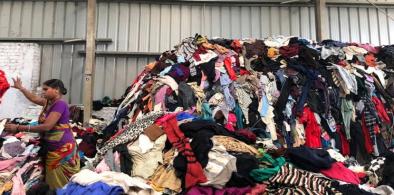
Unlike many regions where imported garments quickly become waste, countries such as India have built thriving ecosystems of repair, resale and recycling. Long before the "circular economy" entered policy vocabulary, informal markets and recycling clusters had already extended the life of clothing through reuse and material recovery.

If Earth Overshoot Day falls on 30 July in 2026 , humanity is currently effectively requiring nearly one and three-quarter Earths to sustain its present patterns of production and consumption.

Climate change is reshaping national security in South Asia. Military preparedness, though important, cannot make up for decaying infrastructure, failing water systems, or recurrent economic disruptions brought on by extreme weather. Governments must expand the definition of security to incorporate climate resilience as a central strategic goal.
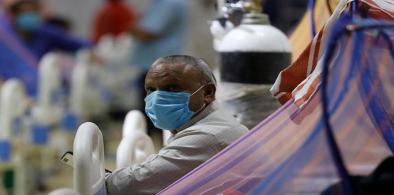
A new wave of COVID-19 infections is spreading like “wildfire” across India, leaving many youngsters destitute, the UN Children’s Fund UNICEF said on Friday
The President of the UN General Assembly on Friday urged countries to “do better” in making COVID-19 vaccines available to everyone, everywhere, warning that “good intentions are no match for vaccines in arms.”
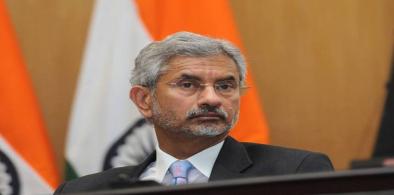
India's External Affairs Minister S. Jaishankar skipped a high-level UN Security Council meeting at the ministerial level that was convened by China, the global body's president for this month
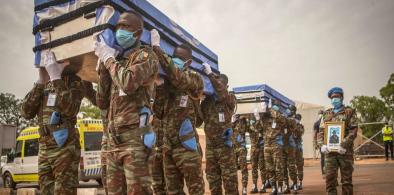
The United Nations paused on Thursday to honor 336 personnel who lost their lives in the line of duty in 2020: the highest number ever in a single year
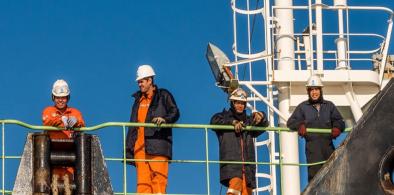
Around 200,000 cargo ship crew members are stranded at sea, beyond the length of their contracts due to COVID-19 restrictions, placing a major strain on their physical and mental health
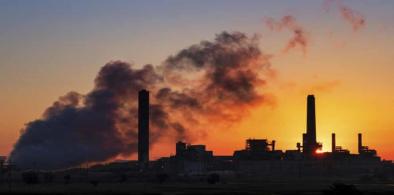
Methane emissions caused by human activity can be reduced by up to 45 per cent this decade, thus helping to keep global temperature rise to 1.5 degrees Celsius in line with the Paris Agreement on climate change, according to a UN-backed report published on Thursday
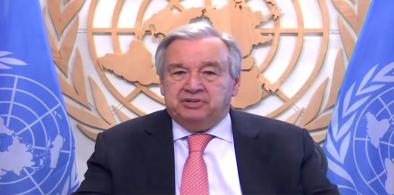
All countries should commit to zero carbon emissions by 2050 if the world is to avoid a disastrous 2.4 degree Celsius temperature rise by the end of this century, UN Secretary General António Guterres said on Thursday
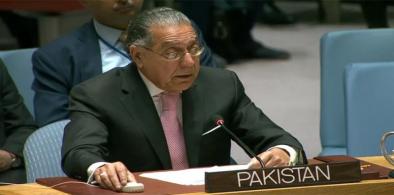
A senior Pakistan envoy has stressed the need for partnerships to effectively combat the global pandemic Covid 19, and called upon all nations to work together to prevent millions from descending into extreme poverty and destitution
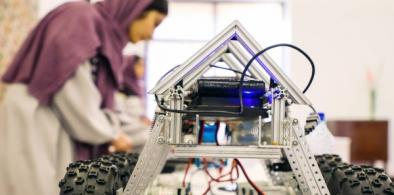
Harnessing the full potential of science and technology for the benefit of all people, everywhere, is the focus of a two-day virtual meeting convened by the UN Economic and Social Council (ECOSOC), which opened on Tuesday
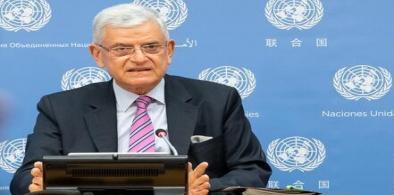
United Nations General Assembly President Volkan Bozkir has said that the status of Jammu and Kashmir should not be changed while acknowledging the 1972 Simla Agreement between India and Pakistan making it a bilateral issue
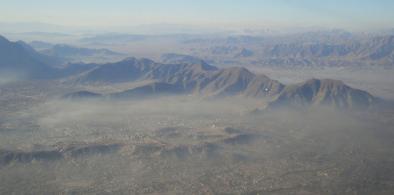
The United Nations strongly condemned Friday’s suicide attack in eastern Afghanistan, in which at least 21 were killed and over 100, including women and children, wounded

The COVID-19 pandemic has shown how all countries are connected, underscoring that global cooperation and solidarity are the only way out of the crisis, senior UN officials said on Monday during the annual Partnership Forum, organized by the UN Economic and Social Council (ECOSOC)

The turmoil following the military coup in Myanmar, coupled with the impact of COVID-19 could result in up to 25 million people – nearly half of the country’s population, living in poverty by early next year, a United Nations report said on Friday
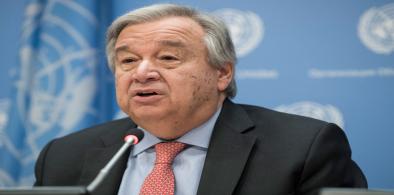
Inequalities in addressing AIDS threaten global efforts to stamp out the disease as a public health threat by 2030, UN Secretary-General António Guterres warned in a report published on Friday, which provides 10 key recommendations to get the world back on track
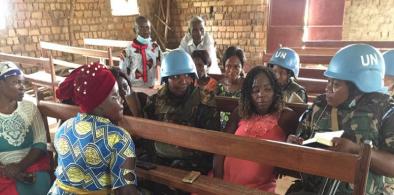
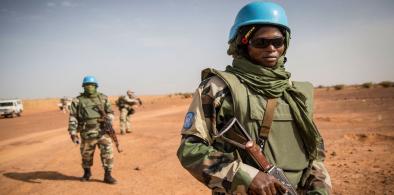
Increasing the participation of uniformed women in peace operations is a “key priority” for the United Nations, the head of peacekeeping told a High-Level Launch Event