Pakistan has checkmated India to some extent, though the Taliban has recognized India’s role in the reconstruction projects and Salma Dam, writes Brig Dinesh Mathur (retd) for South Asia Monitor


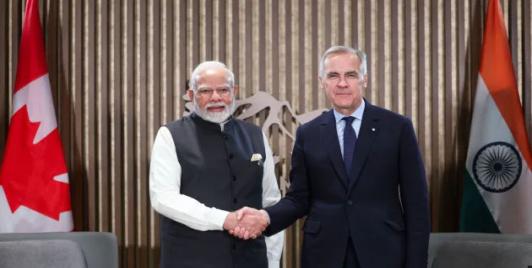
Canada hosts close to 1.9 million persons of Indian Origin (PIOs) and 3% of Canada’s population, one of the largest ethnic groups in Canada’s multiethnic and multicultural society. Although immigration policy of Canada has tightened in recent years, yet a lot of students who study in Canada prefer to stay back and work in Canada acquiring permanent residency and citizenship.
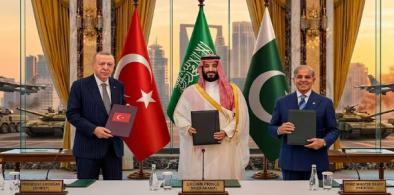
It would also explain why Pakistan is trying to preserve a distinction between supporting Saudi Arabia and fighting the Houthis. Pakistan has every reason to avoid another open-ended conflict in the Middle East. Its military is heavily committed to its own security challenges. Its economy cannot easily absorb the political and financial consequences
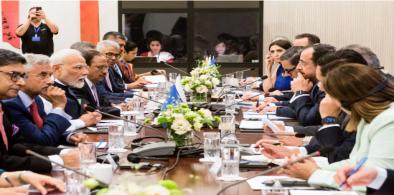
EU and India could establish a regular EU–India-Middle East Consultative Mechanism involving foreign-policy officials and experts. Its purpose would be to coordinate positions before major international gatherings and meetings.

For Sri Lankan politics, this is more than diplomatic sightseeing. It raises a fundamental question whether the JVP is developing a sophisticated strategy of balancing relations with India and China or is it gradually adapting itself to the organisational models of powerful one-party or dominant-party systems in China and India respectively?
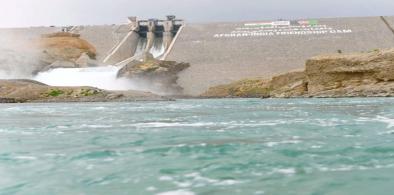
Pakistan has checkmated India to some extent, though the Taliban has recognized India’s role in the reconstruction projects and Salma Dam, writes Brig Dinesh Mathur (retd) for South Asia Monitor
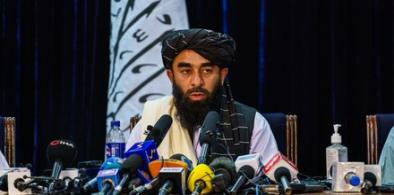
To the extent that the Taliban keeps its word both on not letting it soil be used as a terrorist launch pad and keeping off Kashmir, there is a possible window for the Modi government in India to engage with it, writes Mayank Chhaya for South Asia Monitor
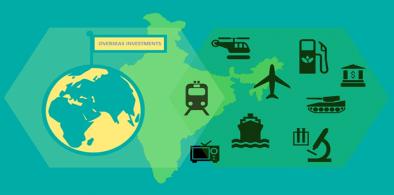
India's poor record of implementing infrastructure projects in neighboring countries has pushed them even more towards China, writes Anup Sinha for South Asia Monitor
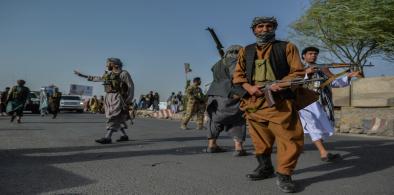
Can the US pose as the champion of human rights after abandoning the Afghan population to this horrendous human tragedy? writes Lt Gen P. C. Katoch (retd) for South Asia Monitor
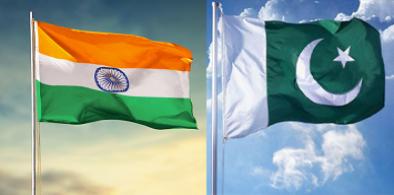
For India and Pakistan, therefore, which were once a single country, the anniversaries of their independence days are burdened with thoughts of what might have been, writes Amulya Ganguli for South Asia Monitor
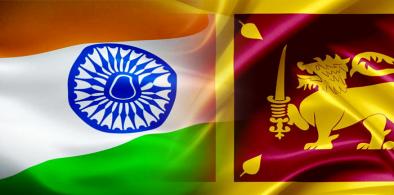
The document seeks to achieve Sri Lanka’s foreign policy objective vis-à-vis India while coming closest to admitting that China has cast a long shadow over Colombo-New Delhi ties, writes M.R. Narayan Swamy for South Asia Monitor
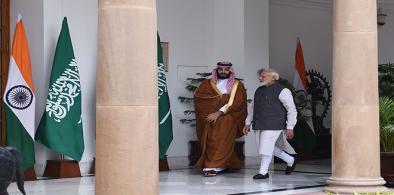
Indo-Saudi economic ties have seen tremendous growth over time, writes Asif Rameez for South Asia Monitor

India can offer to lend a helping hand in a new shared spirit of sporting togetherness that can bind South Asia, writes Sirshendu Panth for South Asia Monitor
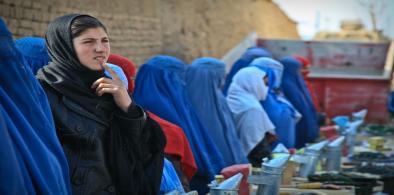
The forty years of protracted war has impacted Afghan society, especially women, in a way that has few parallels in human history, writes Shraddha Nand Bhatnagar for South Asia Monitor

Although the Indian government believes that FDI is coming into the country in record amounts, most of it is through mergers and acquisitions and not greenfield investments which entail building factories, writes N Chandra Mohan for South Asia Monitor

The US may continue to bomb the Taliban and keep asking them to reconcile but such a scenario is not going to unfold, especially when nothing has been done in 20 years to block the financial support and arms supplies to the Taliban, writes Lt Gen P. C. Katoch (retd) for South Asia Monitor

If sportswomen are treated equally and provided with equitable opportunities, women athletes from South Asia are bound to participate in greater numbers in top international events like the Olympics, writes Sarita Bartaula for South Asia Monitor
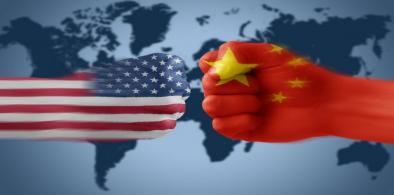
India ought to tread cautiously in aligning with the US as a counterweight to China, writes Mayank Mishra for South Asia Monitor

Warship building and design is an arduous undertaking and India now joins a select group of nations that have demonstrated proven capability to conceive, design, and build an aircraft carrier, writes C Uday Bhaskar for South Asia Monitor

One can be optimistic that Biden’s selection will lead to a debate on freedom of religion and more interfaith dialogues in South Asia and other parts of the world, writes Frank F. Islam for South Asia Monitor






