Even though Vietnam is reckoned as having an edge over India in the global supply chain, India’s demographic advantages override Vietnam, writes S. Majumder for South Asia Monitor


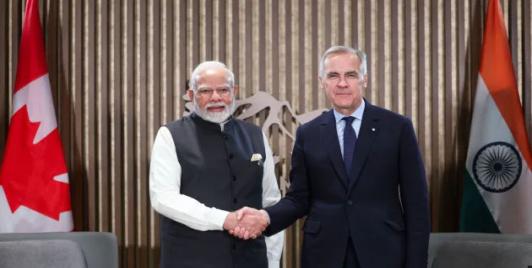
Canada hosts close to 1.9 million persons of Indian Origin (PIOs) and 3% of Canada’s population, one of the largest ethnic groups in Canada’s multiethnic and multicultural society. Although immigration policy of Canada has tightened in recent years, yet a lot of students who study in Canada prefer to stay back and work in Canada acquiring permanent residency and citizenship.
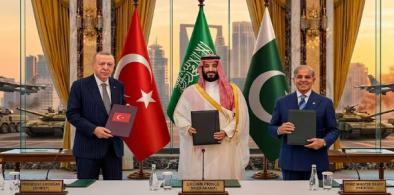
It would also explain why Pakistan is trying to preserve a distinction between supporting Saudi Arabia and fighting the Houthis. Pakistan has every reason to avoid another open-ended conflict in the Middle East. Its military is heavily committed to its own security challenges. Its economy cannot easily absorb the political and financial consequences
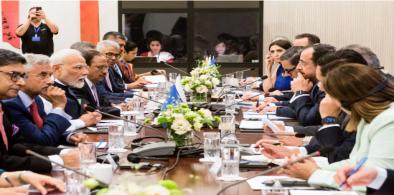
EU and India could establish a regular EU–India-Middle East Consultative Mechanism involving foreign-policy officials and experts. Its purpose would be to coordinate positions before major international gatherings and meetings.

For Sri Lankan politics, this is more than diplomatic sightseeing. It raises a fundamental question whether the JVP is developing a sophisticated strategy of balancing relations with India and China or is it gradually adapting itself to the organisational models of powerful one-party or dominant-party systems in China and India respectively?
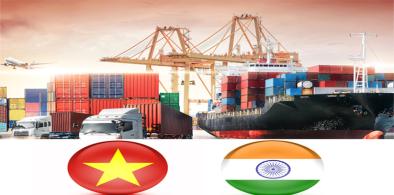
Even though Vietnam is reckoned as having an edge over India in the global supply chain, India’s demographic advantages override Vietnam, writes S. Majumder for South Asia Monitor
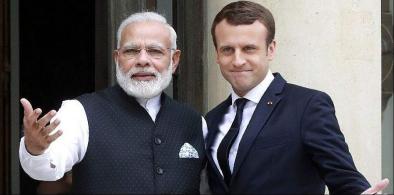
With a French Presidency, the strategic partnership between India and the EU could finally bloom to its full potential, writes Amb Bhaswati Mukherjee (retd.) for South Asia Monitor
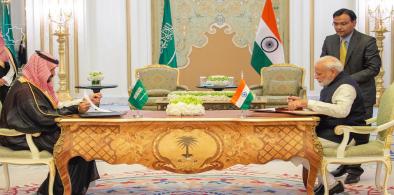
During a visit to India in 2019, the Saudi Crown Prince announced that the kingdom would be investing $100 billion in diversified sectors in India, writes N. Chandra Mohan for South Asia Monitor
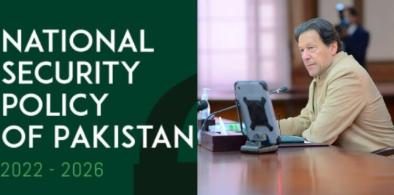
The NSP tosses a heads-I-win-tail-you-lose option for India; it announces its intent of seeking peace but leaves the onus on India, writes Mahendra Ved for South Asia Monitor
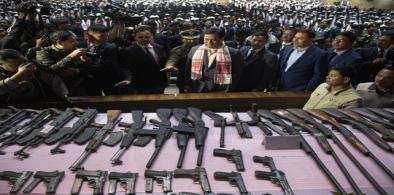
Using the Army to control insurgency in the Northeast has failed as a model, writes B.L. Vohra for South Asia Monitor

The US, Sri Lanka, India, the Maldives and others can work together with Bangladesh to deal with regional maritime problems, writes Jubeda Chowdhury for South Asia Monitor
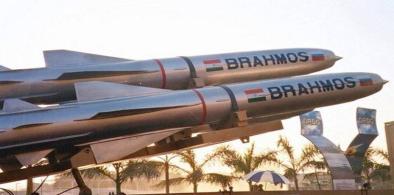
The Integrated Guided Missile Development Programme that began in 1983 under the stewardship of Prime Minister Indira Gandhi is an island of Indian perseverance and quiet success, writes Cmde C. Uday Bhaskar (retd,) for South Asia Monitor
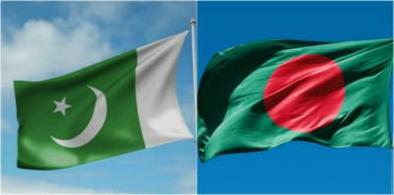
While the Pakistani media is now asking its government to follow the Bangladesh model, it remains a sore point that Bangladesh was an exploited colony of Pakistan, writes Pathik Hasan for South Asia Monitor
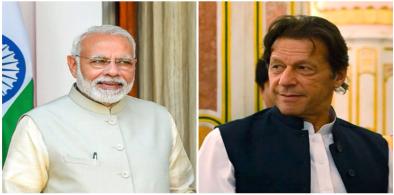
NGOs like South Asia Peace Action Network (SAPAN) and Aaghaz-e-Dosti deserves mention for relentlessly trying to end enmity and distrust between the two countries, writes Anondeeta Chakraborty for South Asia Monitor

As Sri Lanka descends deeper into economic chaos, the popularity of the President and his government have declined to levels never seen before for any political regime reaching midterm, writes Indika Hettiarachchi for South Asia Monitor

In the face of jihadi threats against it, it remains to be seen how China responds; or will it continue to fund and support nations like Pakistan that are the terror factories of many jihadist designs? writes Aparna Rawal for South Asia Monitor
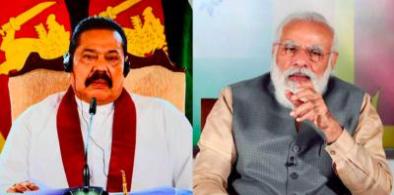
It is open to speculation what and how much India can do for the minority Tamils vis-à-vis Colombo, which is slowly again extending a hand of friendship to New Delhi after trying to prop up China as a counter, writes M R Narayan Swamy for South Asia Monitor

Beijing will try its level best to lure Maldives more into its debt trap and wean it away from India, writes Lt Gen P. C. Katoch (retd) for South Asia Monitor
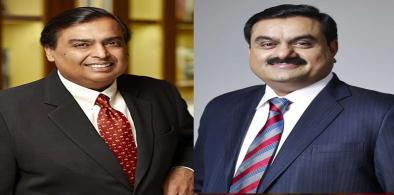
Scarcely a day passes without news of a big-ticket acquisition or investment by Reliance or Adani biting into every lucrative business venture in India and South Asia, writes N. Chandra Mohan for South Asia Monitor
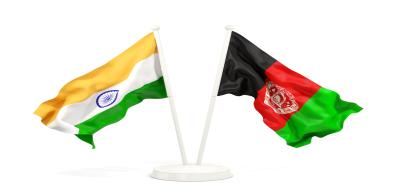
Chances are that the churn in Afghanistan may end up singeing those who take an intrusive interest in its affairs, writes Amb Rajiv Dogra (retd) for South Asia Monitor