Russia is well aware of how Pakistan has been facilitating the movement of ISIS cadres from Iraq-Syria into northern Afghanistan at the behest of the US, writes Lt Gen P.C. Katoch (retd) for South Asia Monitor


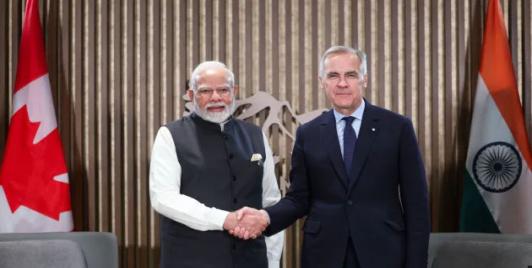
Canada hosts close to 1.9 million persons of Indian Origin (PIOs) and 3% of Canada’s population, one of the largest ethnic groups in Canada’s multiethnic and multicultural society. Although immigration policy of Canada has tightened in recent years, yet a lot of students who study in Canada prefer to stay back and work in Canada acquiring permanent residency and citizenship.
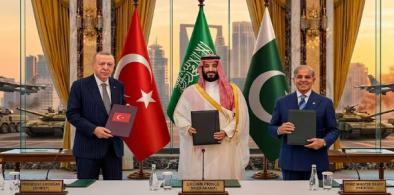
It would also explain why Pakistan is trying to preserve a distinction between supporting Saudi Arabia and fighting the Houthis. Pakistan has every reason to avoid another open-ended conflict in the Middle East. Its military is heavily committed to its own security challenges. Its economy cannot easily absorb the political and financial consequences
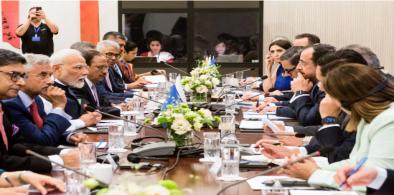
EU and India could establish a regular EU–India-Middle East Consultative Mechanism involving foreign-policy officials and experts. Its purpose would be to coordinate positions before major international gatherings and meetings.

For Sri Lankan politics, this is more than diplomatic sightseeing. It raises a fundamental question whether the JVP is developing a sophisticated strategy of balancing relations with India and China or is it gradually adapting itself to the organisational models of powerful one-party or dominant-party systems in China and India respectively?
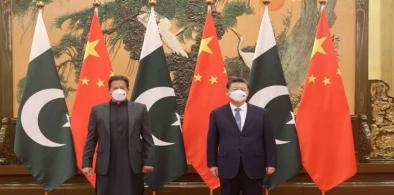
Russia is well aware of how Pakistan has been facilitating the movement of ISIS cadres from Iraq-Syria into northern Afghanistan at the behest of the US, writes Lt Gen P.C. Katoch (retd) for South Asia Monitor
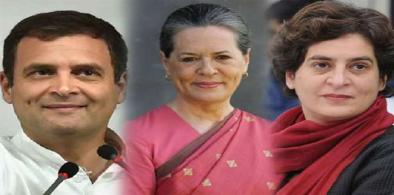
It takes no great political intelligence to point out that a tumultuous democracy like India desperately needs a credible national counter to Modi’s BJP, writes Mayank Chhaya for South Asia Monitor
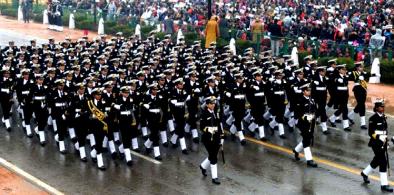
One major reason the Indian Army has not allowed women officers in fighting arms and would not like to do so is that it does not want them captured by the enemy, writes Col Anil Bhat (retd) for South Asia Monitor
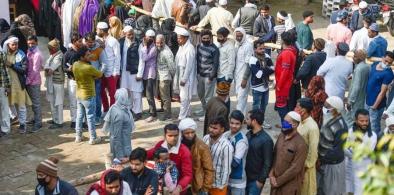
The recent trends in elections have shown undeniable evidence that women no longer remain passive voters, writes Shraddha Nand Bhatnagar for South Asia Monitor
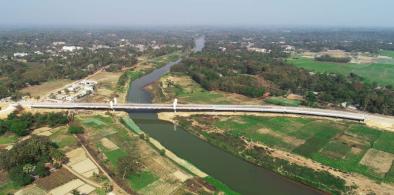
Connectivity and infrastructural development with Bangladesh will also open up new routes to India's Northeast, Bhutan and Nepal, writes Benedict B. George for South Asia Monitor
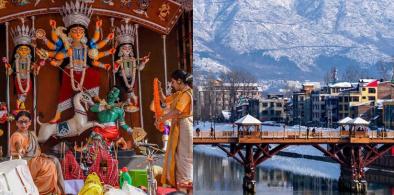
Such recognition by UNESCO, whether of Durga Puja or Srinagar as a Creative City, helps to underline that India’s culture is a living culture, writes Amb Bhaswati Mukherjee (retd) for South Asia Monitor
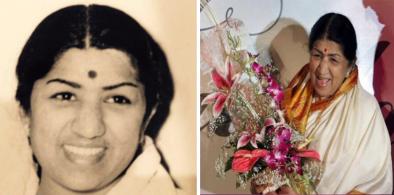
Numbers have defied easy recording, whether Lata sang 25,000 songs or 30,000, for an estimated 1,000 films, writes Mahendra Ved for South Asia Monitor
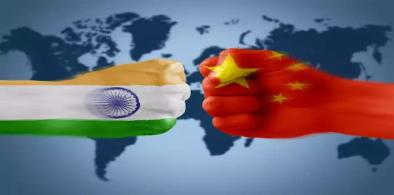
The fact remains that as long as India, Nepal and Bhutan do not protest Chinese aggressive moves because of political compulsions China will keep having its way, writes Lt Gen P. C. Katoch (retd.) for South Asia Monitor
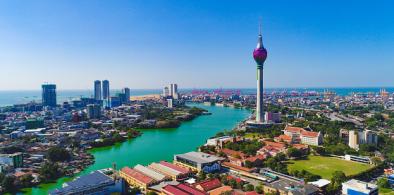
With heightened external geopolitical fissures in the region, balancing infrastructure diplomacy between China, India and the US is indeed a daunting challenge for Sri Lanka, writes Sugeeswara Senadhira for South Asia Monitor
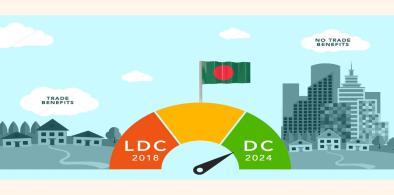
Although Bangladesh was a part of Pakistan, it has already surpassed Pakistan in almost all socio-cultural and economic indicators, writes Jebeda Chowdhury for South Asia Monitor
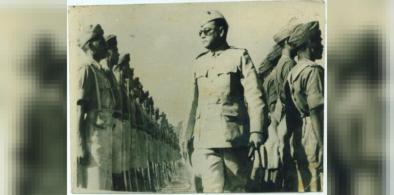
Bose was very clear that in independent India equal opportunities should be thrown open to all, irrespective of caste, creed or religion, writes Ram Puniyani for South Asia Monitor

What is the future of civil aviation and Air India? The immediate outlook is that it will take beyond 2022-23 to return to any semblance of pre-pandemic normalcy, writes N. Chandra Mohan for South Asia Monitor
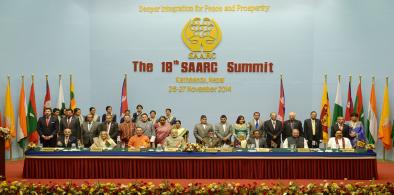
India with its huge numbers and relative political stability can play an influential role in the South Asian region, writes Nirupama Sekhri for South Asia Monitor
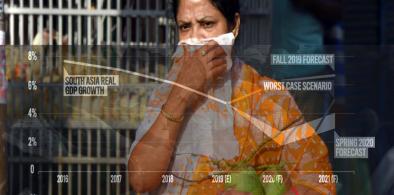
The pandemic is estimated to have caused 48-59 million people to become or remain poor in 2021 in South Asia, writes V.K. Varadarajan for South Asia Monitor
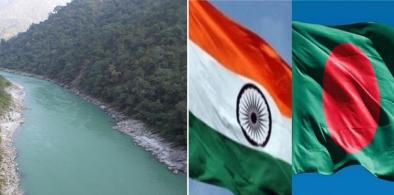
India should act quickly to reach an amicable solution to the Teesta dispute before Bangladesh embraces Chinese cooperation on the issue, writes Anup Sinha for South Asia Monitor