With its strategic position in the Indian Ocean, India has a vital role in America’s Indo-Pacific Strategy, writes Lt Gen P. C. Katoch (retd.) for South Asia Monitor


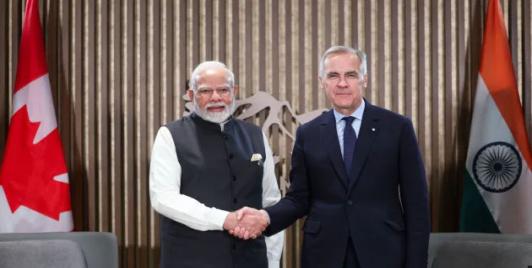
Canada hosts close to 1.9 million persons of Indian Origin (PIOs) and 3% of Canada’s population, one of the largest ethnic groups in Canada’s multiethnic and multicultural society. Although immigration policy of Canada has tightened in recent years, yet a lot of students who study in Canada prefer to stay back and work in Canada acquiring permanent residency and citizenship.
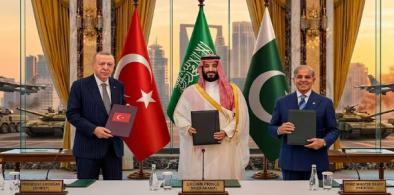
It would also explain why Pakistan is trying to preserve a distinction between supporting Saudi Arabia and fighting the Houthis. Pakistan has every reason to avoid another open-ended conflict in the Middle East. Its military is heavily committed to its own security challenges. Its economy cannot easily absorb the political and financial consequences
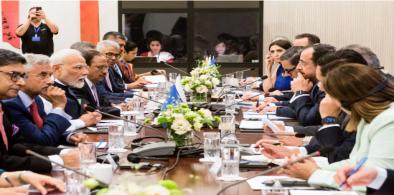
EU and India could establish a regular EU–India-Middle East Consultative Mechanism involving foreign-policy officials and experts. Its purpose would be to coordinate positions before major international gatherings and meetings.

For Sri Lankan politics, this is more than diplomatic sightseeing. It raises a fundamental question whether the JVP is developing a sophisticated strategy of balancing relations with India and China or is it gradually adapting itself to the organisational models of powerful one-party or dominant-party systems in China and India respectively?
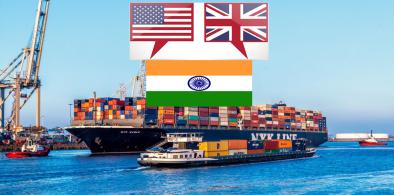
With its strategic position in the Indian Ocean, India has a vital role in America’s Indo-Pacific Strategy, writes Lt Gen P. C. Katoch (retd.) for South Asia Monitor
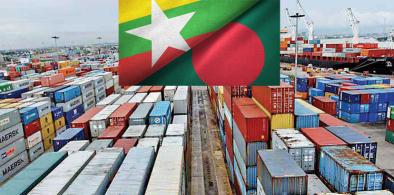
Enhanced ties between Bangladesh and Myanmar can contribute to the growth of trade and investment relations with ASEAN and BIMSTEC countries, writes Jubeda Chowdhury for South Asia Monitor

The international community needs to appreciate that against all odds and the trauma of partition, India’s culture is composite and represents her civilizational heritage, writes Amb Bhaswati Mukherjee (retd) for South Asia Monitor
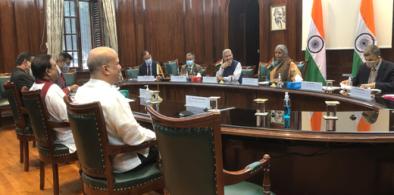
After Basil Rajapaksa's current visit, Modi is likely to fly from New Delhi to Jaffna to mark the reopening of Palaly Airport for commercial operations, writes Sugeeswara Senadhira for South Asia Monitor
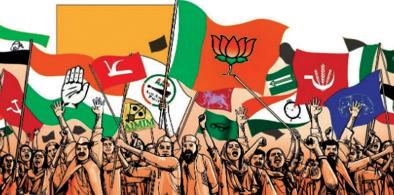
One of the major lessons of the assembly election results is that a fragmented opposition cannot take on the mighty electoral might of BJP-RSS, writes Dr Ram Puniyani for South Asia Monitor
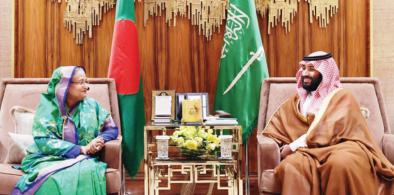
Because of Dhaka’s economic success, Saudi Arabia now perceives Bangladesh as a lucrative investment destination, writes Hussain Shazzad for South Asia Monitor

It is a no-brainer that Arvind Kejriwal’s victory speech was sharply focused on issues of governance, writes Jagdish Rattanani for South Asia Monitor
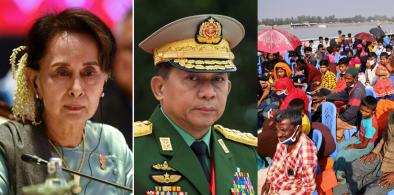
Tatmadaw, the Myanmarese junta, must be pressured to allow the Rohingya in Bangladesh to return to their homes with full dignity and civil rights, writes Kyaw Min for South Asia Monitor

The mystical traditions of South Asia transcend apparently rigid religious boundaries, write Priyanka Singh and Beena Sarwar for South Asia Monitor
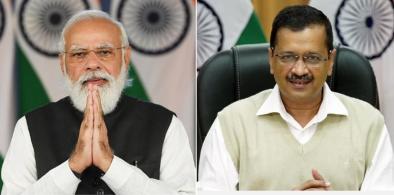
In the wake of the result in Uttar Pradesh, it is clear that 2024 is for Modi to lose since there does not appear to be any comparable singular figure who can defeat him, writes Mayank Chhaya for South Asia Monitor
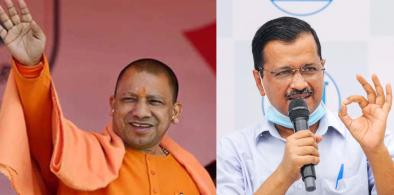
It is now almost a certainty that the AAP will replace the Congress as the BJP’s main challenger in Gujarat later this year, marking its emergence as a major alternative to the BJP at the national level, writes Amulya Ganguli for South Asia Monitor
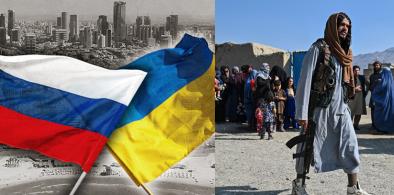
The US and its allies will never lose sight of Afghanistan's strategic importance in a vital region, writes Saed Mansoor Sadat for South Asia Monitor
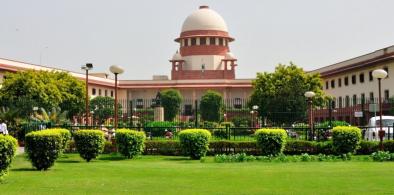
Criminal justice has its own logic at present and its discrepancies are not matching with the democratic ethos of India's secular constitution, writes Ram Puniyani for South Asia Monitor

Aurat March in Pakistan has proved to be a phenomenal success, forcing society to acknowledge women’s efforts, writes Nadra Huma Quraishi for South Asia Monitor
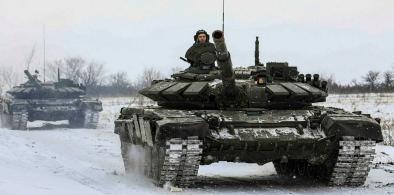
The ‘unforeseen’ would become a frightening reality, recalling what the victims of Hiroshima and Nagasaki had whispered piteously: "The living will envy the dead", writes Cmde C. Uday Bhaskar (retd) for South Asia Monitor