The UN Committee on Enforced Disappearances (CED) has called on Switzerland to conduct an impartial investigation into past adoptions from Sri Lanka to determine whether the children have been victims of enforced disappearance


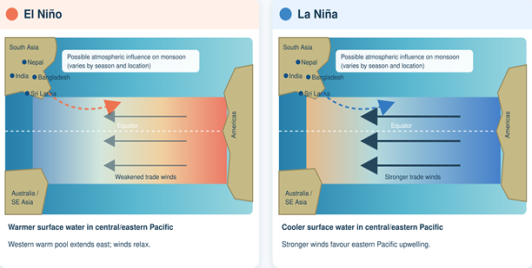
AI may genuinely extend the horizon over which seasonal climate risk can be estimated. For communities across South Asia living under the influence of the monsoon, a longer view could mean the difference between a farmer adjusting her planting in time and a family receiving a flood warning too late to act.
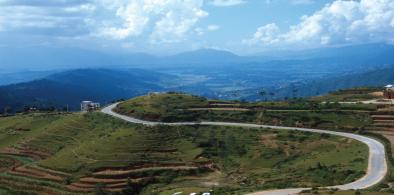
The broader lesson for South Asia is equally important. Hilly regions cannot be developed simply by transferring lowland infrastructure models into mountainous terrain. Investment has to respond to local economic systems, geography and environmental risks.

The UN's 2026 report warns that “long-term water use has exceeded renewable inflows and safe depletion limits,” leaving some water supplies beyond recovery. As the world’s largest groundwater extractor, India sits at the centre of this reckoning

The larger economic choice for South Asia is therefore broader than whether to participate in carbon trading. The region can remain primarily a supplier of relatively inexpensive mitigation outcomes, or it can also develop the technology, professional capacity, financial products and verification systems that determine what those outcomes are worth.
The UN Committee on Enforced Disappearances (CED) has called on Switzerland to conduct an impartial investigation into past adoptions from Sri Lanka to determine whether the children have been victims of enforced disappearance
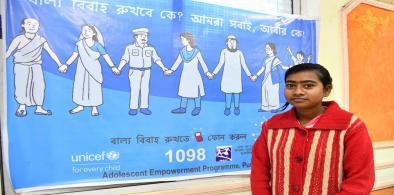
Around 80 media representatives from Indore, Dhar and other parts of Malwa region and students of journalism had joined in a meeting organized by School of Journalism and Media, DAVV Indore and UNICEF
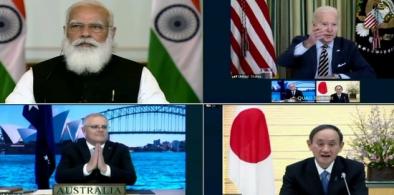
It is likely that under the Biden administration US-India relations will grow stronger and will have more routes to work on a range of issues -- free and open Indo-Pacific, restoring peace in Afghanistan, arms control, countering aggressive behavior of China and climate crisis with stress on multilateralism, writes Indu Saxena for South Asia Monitor
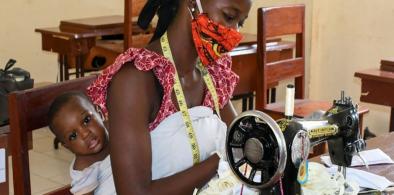
Although the outlook for global growth has improved, the ongoing impacts of the COVID-19 pandemic, as well as inadequate progress on vaccination in poorer countries, are putting recovery at risk, according to the latest UN economic forecast published on Tuesday
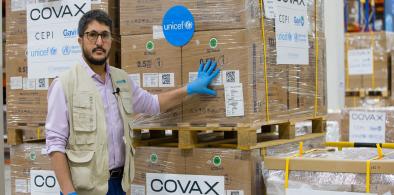
As the world continues to grapple with the health and economic crisis sparked by the COVID-19 pandemic, the UN and Islamic Development Bank teamed up on Tuesday to help the most vulnerable
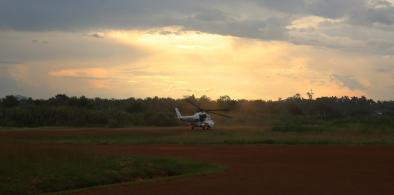
The United Nations Security Council strongly condemned Monday’s attack on the UN peacekeeping mission in the Democratic Republic of the Congo (DRC), in which one Malawian blue helmet was killed
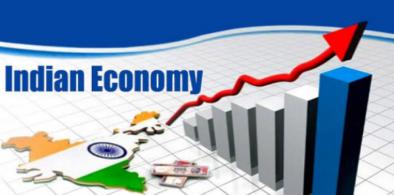
The United Nations forecasts India's economy to grow by 7.5 per cent this calendar year and rebound to 10.5 per cent next year with the caveat that the outlook is “highly fragile” because of the brutal COVID-19 second wave
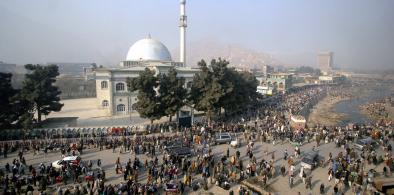
The United Nations Security Council has condemned the “atrocious” Kabul School attack that killed nearly 70 people, mostly children aged between 12-15 years, in the West Kabul area dominated by the country’s Hazara minority
The World Health Organisation (WHO) on Monday classified India's Covid-19 strain as a "variant of concern" amid a devastaging second wave of the pandamic
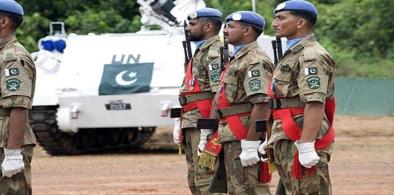
Stressing on the need to involve every region, state and committee in the fight against the Covid 19 pandemic, Pakistan has urged the international community to develop a post-pandemic framework for development to recover from the shocks of the crisis
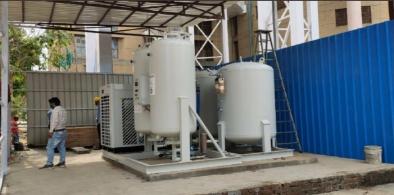
As the second wave of the COVID-19 pandemic rages in India, Japan and the United Nations Development Programme (UNDP) India have partnered to provide eight oxygen generation plants to the North Eastern Region (NER) in India
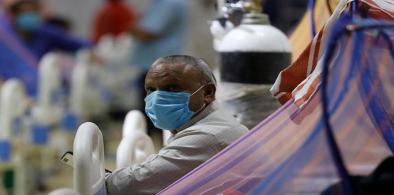
A new wave of COVID-19 infections is spreading like “wildfire” across India, leaving many youngsters destitute, the UN Children’s Fund UNICEF said on Friday
The President of the UN General Assembly on Friday urged countries to “do better” in making COVID-19 vaccines available to everyone, everywhere, warning that “good intentions are no match for vaccines in arms.”
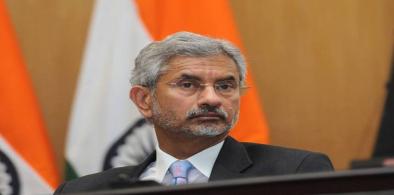
India's External Affairs Minister S. Jaishankar skipped a high-level UN Security Council meeting at the ministerial level that was convened by China, the global body's president for this month
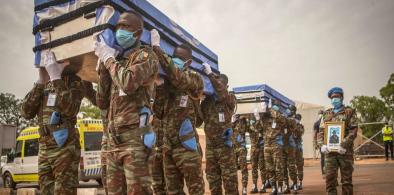
The United Nations paused on Thursday to honor 336 personnel who lost their lives in the line of duty in 2020: the highest number ever in a single year