It would be prudent to establish a joint working mechanism with Myanmar at the diplomatic and military levels for managing the borders - unless we want China to keep winning.


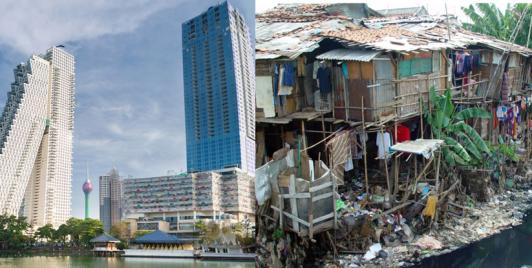
In 2025, Sri Lanka was ranked as the second most expensive housing market in the world based on rentals compared to average income. It is possible that market distortions caused by black economy and corruption have contributed to this.

The larger opportunity before West Bengal is therefore not another round of infrastructure creation in isolation. It is the creation of an ecosystem in which infrastructure, private capital, local enterprise and skilled labour reinforce one another.
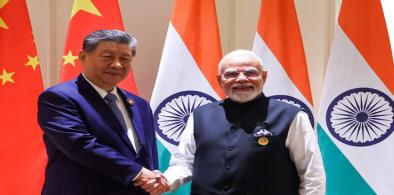
Why not begin by reopening serious discussions with Chinese conglomerate BYD about an Indian factory? BYD is now one of the world’s dominant EV manufacturers. Its Indian ambitions were caught in the post-Galwan investment freeze. Invite it back to the table—but on Indian terms
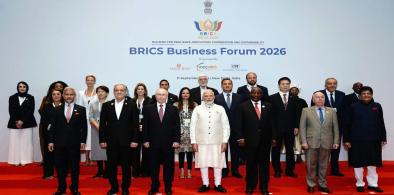
But the choice test applies to India as much as to the countries it hopes will follow its lead. If BRICS genuinely widens India's menu of markets, technology partners and financing sources without deepening its dependence on any one of them, it becomes a credible model for the rest of the Global South.

It would be prudent to establish a joint working mechanism with Myanmar at the diplomatic and military levels for managing the borders - unless we want China to keep winning.
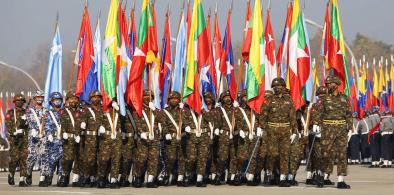
China and Russia have shown their support for Myanmar despite the dire situation there, and their interest in the region is evident by their growing naval presence in the Indian Ocean and Bay of Bengal.
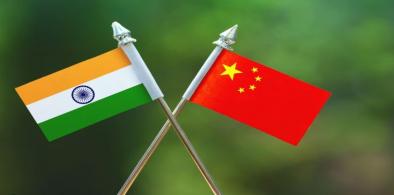
As far as China is concerned, the so-called buffer zones are now a permanent arrangement and it knows India can do precious little about it. That is why China has been saying keep the border issue separate and get on with the bilateral relations.
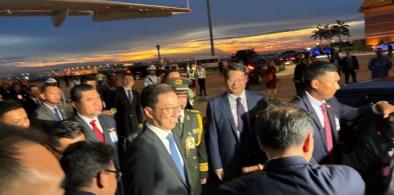
Melaka is also seen as a possible counterbalancing base against potential power presence in the Nicobar Island chain in the Andaman Sea and as a fallback in complementing China's existing forward bases and port capacities in Gwadar in Pakistan and in linking up with the other routes in accessing the Indian Ocean.
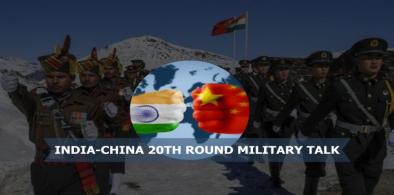
The Indian government has no answer to the question that if we have not lost any territory, then why the 20 rounds of military-to-military talks?
The organisation of the Forum a few kilometres away from the eastern sector of the Line of Actual Control (LAC) not only signalled Beijing’s disregard for the LAC but also its attempt to buttress its claims over Arunachal as part of Tibet (Xizang) by selecting the venue of the international meeting in Nyingchi
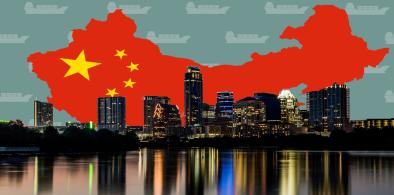
The conflict of interest between India and China on the political front is likely to continue for a long time to come, with China’s territorial greed being what it is. However, business dealings between both countries must continue since such business is of mutual interest to both India and China.
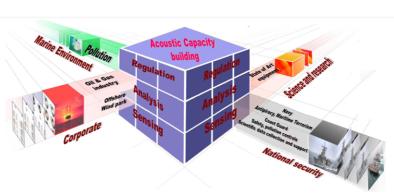
India will do well to initiate the SWAMs and build a nuanced acoustic capacity and capability-building initiative nationally and at the regional level. The Security And Growth for All in the Region (SAGAR) vision of India will be better served with an effective implementation of the UDA framework on the ground.
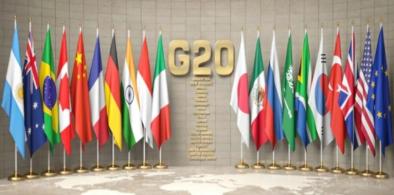
The debt phenomenon is so significant that nearly half the African Union member states are in debt – mostly to the state-owned banks of China. Countries in South America and Asia are also being caught up in this debt slide. While the New Delhi G20 summit only appealed to countries to address this serious debt issue, that China is now being seen as a part of the problem seems to be hanging over it like a Sword of Damocles.
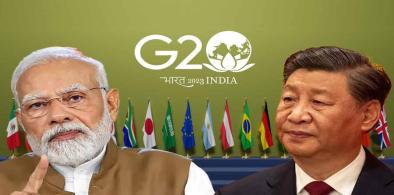
Given the growing power differentials and China’s global hegemonic ambitions, it is observed that Xi attends mega events where his country has some clout and skips those that could put China in a tight spot and raise questions related to its accountability and responsibility.
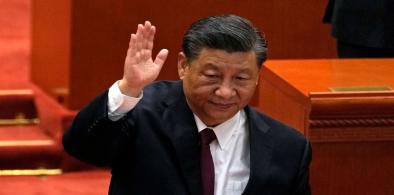
India is increasingly being courted by the US-led West as a bulwark to Beijing, and China will want to send a two-pronged message to Delhi and Washington as well as regional neighbours that Beijing still holds the economic and security upper hand, although its economic credentials have taken a serious hit.
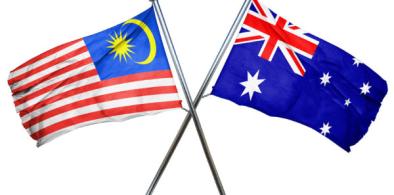
Facing encroaching Chinese naval presence and power projections in the Pacific Island states on its eastern flank, and an assertive bid by Beijing to challenge the naval presence of Delhi and Washington in the Indian Ocean to its western flank, Australia is faced with its highest threat level in decades.
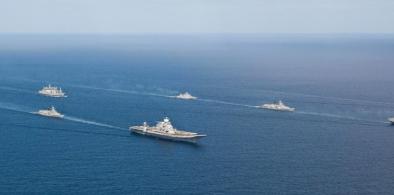
In the last decade, one has observed repeated and serious attempts by Chinese research vessels to collect data in the Indian Ocean Region (IOR). The year 2018, saw 24 research cruises by Chinese vessels in the IOR, whereas during the same period six other nations, including US, India, France and others, have undertaken only 26 such cruises in the IOR.
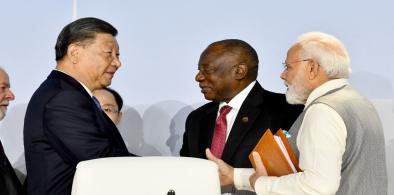
Indian media may do any amount of spin doctoring, including claiming that the bilateral meeting was requested by the Chinese side, but the noteworthy issue is that none of the two Chinese statements mention disengagement and de-escalation.
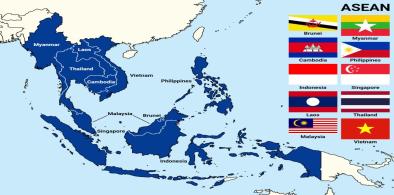
The influence of China and its grip on the region remain a predominant factor that has divided ASEAN. One-sided economic dependence on Beijing and the fear of inciting its potential wrath and economic retaliation and potential hard-power measures have stymied the full capacity of the region in managing regional power parity.