Viewing Bangladesh and other areas to the south as a single economic zone, Japan will build Bengal-Northeast India industrial value chain concept in cooperation with India and Bangladesh to foster the growth of the entire region.


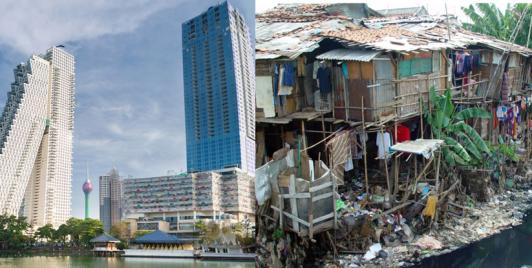
In 2025, Sri Lanka was ranked as the second most expensive housing market in the world based on rentals compared to average income. It is possible that market distortions caused by black economy and corruption have contributed to this.

The larger opportunity before West Bengal is therefore not another round of infrastructure creation in isolation. It is the creation of an ecosystem in which infrastructure, private capital, local enterprise and skilled labour reinforce one another.
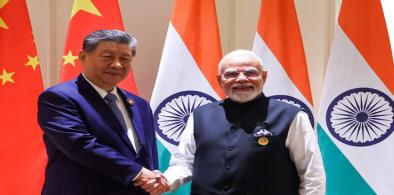
Why not begin by reopening serious discussions with Chinese conglomerate BYD about an Indian factory? BYD is now one of the world’s dominant EV manufacturers. Its Indian ambitions were caught in the post-Galwan investment freeze. Invite it back to the table—but on Indian terms

But the choice test applies to India as much as to the countries it hopes will follow its lead. If BRICS genuinely widens India's menu of markets, technology partners and financing sources without deepening its dependence on any one of them, it becomes a credible model for the rest of the Global South.
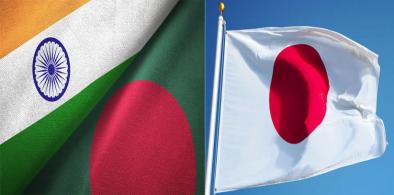
Viewing Bangladesh and other areas to the south as a single economic zone, Japan will build Bengal-Northeast India industrial value chain concept in cooperation with India and Bangladesh to foster the growth of the entire region.
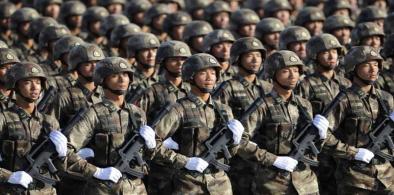
Keeping the warfare history and strategic culture of China in the Indo-Pacific region in perspective, chances are high that there could be more short-term military clashes in the near future with India which will be more intense by nature, especially before India’s general elections in 2024, in order to influence India's political landscape and change the politico-and security architecture of the Indo-Pacific region.

Whatever has been achieved by BRO in 2022 and early 2023 is very substantial and has raised Beijing's ire much more. For India, it is imperative to continue the momentum of its long overdue building of strategic infrastructure, because a lot more needs to be done to match PLA’s buildup and deployment.
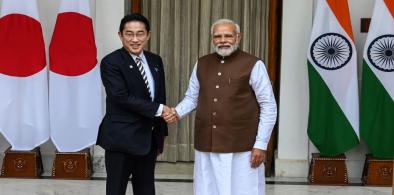
India and Japan are already cooperating on the Bay of Bengal infrastructure development through their strong regional cooperation. Among these initiatives are the construction of LNG infrastructure in Sri Lanka, the building of pipelines and electrification in Myanmar, and the improvement of Bangladesh's road network.
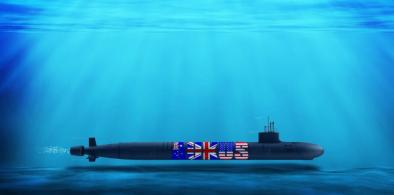
This agreement has profound geo-strategic implications against the backdrop of the US-China maritime battle in the Indo-Pacific region. It will not only add fuel to the fire of their strategic competition but also result in the growing militarization of the strategic region amid the Taiwan crisis.
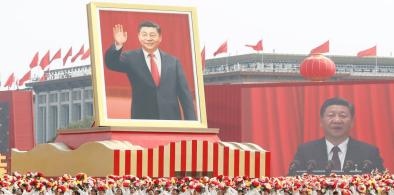
Unlike the US and Western countries, or even Myanmar's fellow members of the ASEAN, Beijing has refused to condemn the military junta enabling it to play a role in diplomacy with Bangladesh on the Rohingya and with the internal insurgencies.
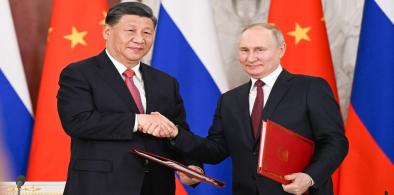
As Beijing midwives a multipolar world as an alternative to the world order dominated by the US, there are many issues that stand in the way. They include simmering border disputes with India and its aggressive behaviour along the Line of Actual Control, its claims on the Japanese islands of Senkaku, and the dispute over the Spratly Islands that involve the Philippines, Taiwan, Malaysia, Vietnam, and Brunei. Above all is its menacing posture towards Taiwan.

AUKUS remains a symbol of a clear message to Beijing, and regional players, as a powerful deterrence to step up militarily if necessary; and remains a crucially needed counterbalancing measure that will bring assurances and guarantee that the West’s pivot and readiness to maintain its Indo-Pacific presence are here to stay.
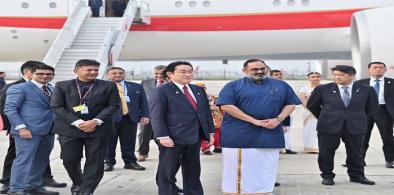
Instead of relying solely on the West and strengthening military preparations against Beijing, Japan should play its own diplomatic role as China's neighbor in de-escalating regional tensions, creating a different atmosphere in the Indo-Pacific region.

The CPC-PLA combo’s very smart use of bullet-less border management agreements, incursions/transgressions, and building villages along the LAC is continuing because the Indian Army is following bullet-less methods initiated by the Chinese even after losing 20 soldiers including a colonel by PLA’s brutal and barbaric attack in June 2020.
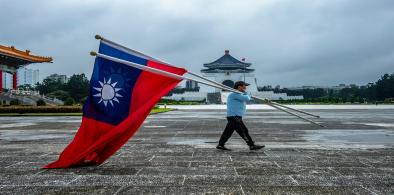
The rest of the democratic world and the alliance of free nations need to stand in solidarity with Taiwan now more than ever, as Taiwan remains the last bastion against the growing autocratic forces, even surpassing Ukraine in terms of criticality and the costs at stake.

The balloon incident is a brazen willingness by Beijing to flex its power outside its region, and to challenge the US at its continental base, magnifying its continuous attempts to expand its influence across the world through intelligence efforts targeting businesses, universities and other institutions.
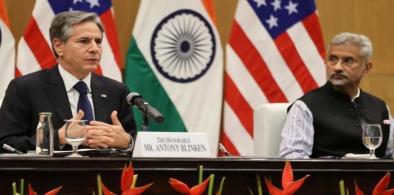
“What will be even more interesting is immediately following that ministerial meeting, the Secretary will participate in a panel at the Raisina Dialogue”, Lu said. “I’m not aware that they’ve ever had an hour-long public event where the four foreign ministers have had a chance to talk about the Quad, and to demonstrate how it is getting tangible and concrete things done in the Indo-Pacific”, he said.
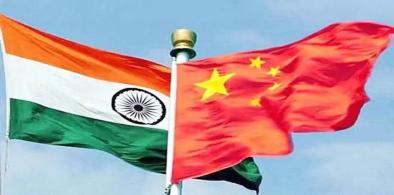
Journalism takes the centre stage in Sino-Indian relations as it builds narratives, perceptions and a repertoire of political attitudes that can recreate, reshape and reprocess the original information that journalism disseminates. This becomes even more challenging when the audience is a few billion people - considering China and India together - and their consumption of information is not just restricted to the conventional legacy media but also vibrant social media in the digital space.
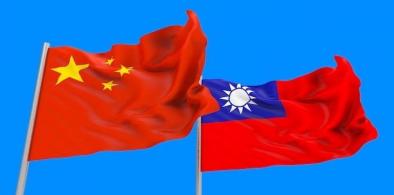
Taiwan is but one piece in China’s arc of aggression that runs through the Indo-Pacific region and veers into the Himalayas for the border confrontation with India. The US sees Beijing’s policy in the region as a step towards global domination.