Though Russia has agreed to accept spent fuel, it is unclear how safe the procedures for removing it from reactors and transporting it from Bangladesh will be, writes Aashish Kiphayet for South Asia Monitor


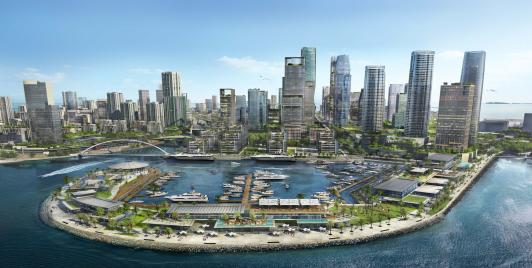
When a Chinese company won the contract to establish hybrid wind and solar energy projects on three islands off the northern Jaffna peninsula—just 45 km from Rameswaram in Tamil Nadu—the security implications extended far beyond economics. Against this backdrop, India’s concerns are entirely justifiable. Sri Lanka faces a pressing question: how will the nation confront the infiltration of Chinese global criminal networks? Since Mahinda Rajapaksa’s tenure, Chinese presence in Colombo has steadily increased, with Sri Lanka positioned as a partner state in Beijing’s Belt and Road Initiative.
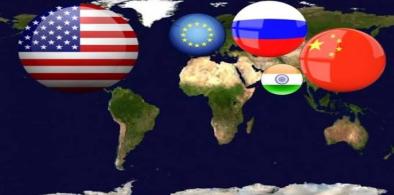
The growing role of middle powers adds another layer of complexity. Yet the term itself remains imprecise. Not every country outside the United States and China qualifies as a middle power, and many reject the label altogether. India, for example, increasingly sees itself as a leading power pursuing strategic autonomy rather than as a middle power seeking alignment with one bloc or another.
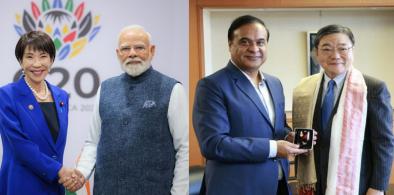
If India and Japan genuinely envision Northeast India as the gateway connecting South Asia with the Bay of Bengal and the Indo-Pacific, then the next chapter of the partnership cannot remain confined to New Delhi and Tokyo. It must also be written in Guwahati, Shillong, Aizawl, Imphal, Agartala, Kohima, Gangtok and Itanagar
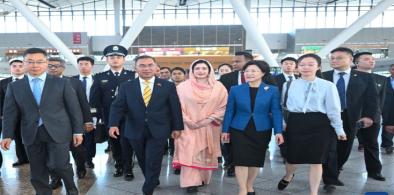
In several neighbouring countries, including Bangladesh, Sri Lanka and Nepal, China has demonstrated an ability to move from agreements to implementation far more rapidly than many competitors. India, despite enjoying unmatched geographic and cultural advantages, has often struggled with delays
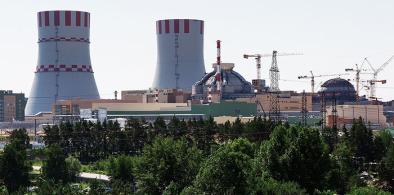
Though Russia has agreed to accept spent fuel, it is unclear how safe the procedures for removing it from reactors and transporting it from Bangladesh will be, writes Aashish Kiphayet for South Asia Monitor
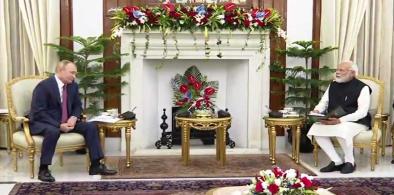
To expect that in a possible future armed conflict with a neighbor, India can rely on the Russian army is lunacy. The Russian army itself demonstrated in Ukraine what actually it represents, write Prof (Dr) Vesselin Popovski, Prof Abhinav Mehrotra and Surabhi Bhandari for South Asia Monitor
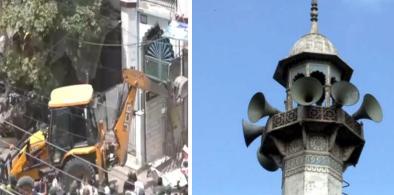
By using religion and nationalism in tandem, the BJP has taken giant strides forward in the electoral field so much so that its opponents – the so-called secular parties – are at their wit’s end, writes Amulya Ganguli for South Asia Monitor
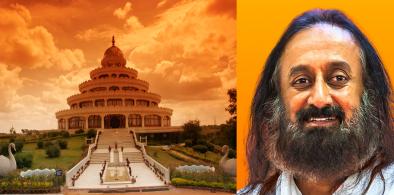
While the number of those who have benefitted from the Art of Living’s trauma relief is some 150,000, a total of 2,000 fighters are claimed to have laid down their weapons in various parts of the world including India, Sri Lanka, Nepal, Kosovo, Colombia, Ivory Coast, Iraq and the Philippines after being inspired by the spiritual group, writes M.R. Narayan Swamy for South Asia Monitor
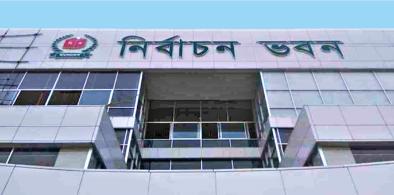
Bangladesh's leaders struggled to protect people's right to vote when they were out of power; in power, they continue their attempts to deprive them of the right to vote, writes Aashish Kiphayet for South Asia Monitor
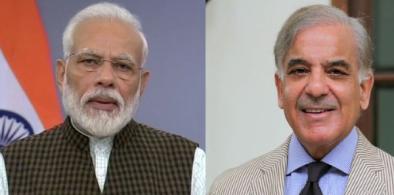
If only the leaders in both India and Pakistan would listen for once to the voices of young people and the dreamers, and not be swayed by the fanatics, no time can be short enough to make a new beginning, not just for India and Pakistan, but for the two billion people of South Asia, writes Tarun Basu for South Asia Monitor
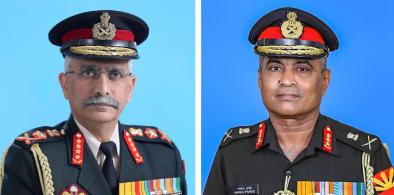
The reality is that Delhi had forfeited the tactical advantage that the Indian Army had acquired at considerable cost, to ostensibly facilitate the negotiations with China. However, despite multiple rounds of talks, the PLA has not moved back from all the areas that it had intruded into along the LAC, writes Cmde C Uday Bhaskar (retd) for South Asia Monitor
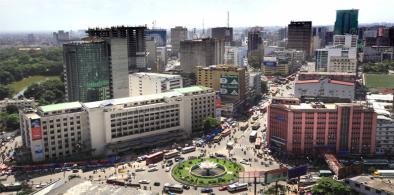
Bangladesh is a miracle story, while Sri Lanka and Pakistan are disaster tales, writes John Rozario for South Asia Monitor
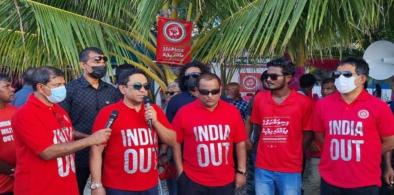
Yameen’s ‘India Out’ campaign is centred on his firm belief that independent of change of governments and leaderships in New Delhi, India was against his becoming president, writes N. Sathiya Moorthy for South Asia Monitor
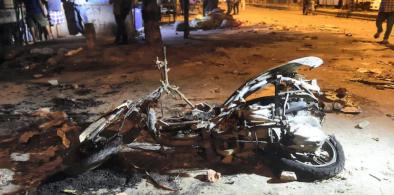
Even in these dark times, one can see bright rays of communal harmony. One only hopes these trends are encouraged and divisive loudmouths are punished, writes Dr Ram Puniyani for South Asia Monitor
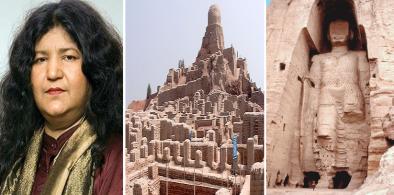
Museums and art galleries are the preserves of the common heritage of South Asia, and it is a pity these are often destructively targeted during political conflicts, writes Mahendra Ved for South Asia Monitor
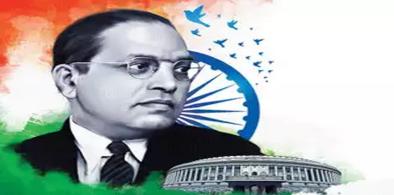
In another CSDS study of post-poll analysis after the 2019 Lok Sabha elections, it was found that between 2014 and 2019 support for the BJP among Dalits, Adivasis and Other Backward Class has more than doubled, writes Dr Ram Puniyani for South Asia Monitor

Unlike many other South Asian countries, Bangladesh's prudent and selective engagement with China's BRI has helped Dhaka avoid debt problems, writes Sheikh Abdur Rahman for South Asia Monitor
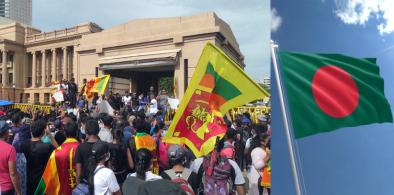
Bangladesh may not face the same situation as Sri Lanka in the near future but it has considerable weaknesses in its economy and good-governance processes, writes Aashish Kiphayet for South Asia Monitor
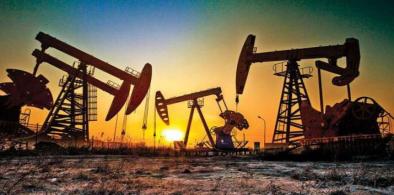
The allure of Russian oil for India, however, is more than the imperatives of energy security. It also has deep stakes with $16 billion of investments in various oil and gas projects in Russia, writes N. Chandra Mohan for South Asian Monitor