Bangladesh has proved its capacity by building a 6.15 km bridge over the country's second toughest river using its own money, writes Fumiko Yamada for South Asia Monitor



When a Chinese company won the contract to establish hybrid wind and solar energy projects on three islands off the northern Jaffna peninsula—just 45 km from Rameswaram in Tamil Nadu—the security implications extended far beyond economics. Against this backdrop, India’s concerns are entirely justifiable. Sri Lanka faces a pressing question: how will the nation confront the infiltration of Chinese global criminal networks? Since Mahinda Rajapaksa’s tenure, Chinese presence in Colombo has steadily increased, with Sri Lanka positioned as a partner state in Beijing’s Belt and Road Initiative.
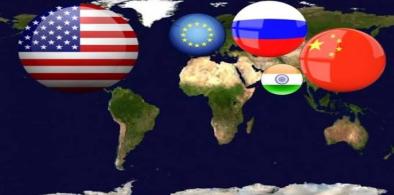
The growing role of middle powers adds another layer of complexity. Yet the term itself remains imprecise. Not every country outside the United States and China qualifies as a middle power, and many reject the label altogether. India, for example, increasingly sees itself as a leading power pursuing strategic autonomy rather than as a middle power seeking alignment with one bloc or another.
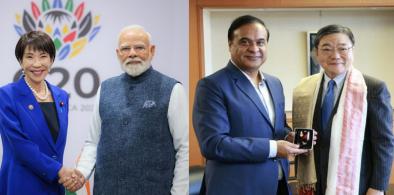
If India and Japan genuinely envision Northeast India as the gateway connecting South Asia with the Bay of Bengal and the Indo-Pacific, then the next chapter of the partnership cannot remain confined to New Delhi and Tokyo. It must also be written in Guwahati, Shillong, Aizawl, Imphal, Agartala, Kohima, Gangtok and Itanagar
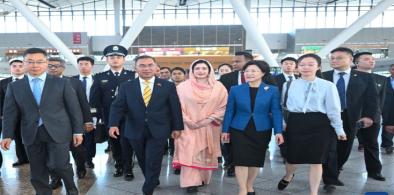
In several neighbouring countries, including Bangladesh, Sri Lanka and Nepal, China has demonstrated an ability to move from agreements to implementation far more rapidly than many competitors. India, despite enjoying unmatched geographic and cultural advantages, has often struggled with delays
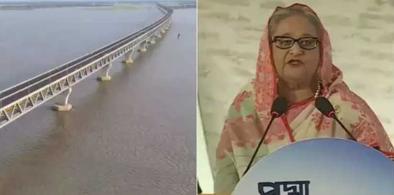
Bangladesh has proved its capacity by building a 6.15 km bridge over the country's second toughest river using its own money, writes Fumiko Yamada for South Asia Monitor
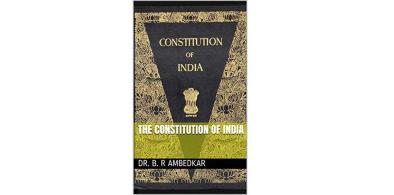
Those who were not part of the anti-British struggle had roots in the ideologies of landlord-clergy combine. They articulated nationalism in the name of religion, called it cultural nationalism, writes Dr Ram Puniyani for South Asia Monitor
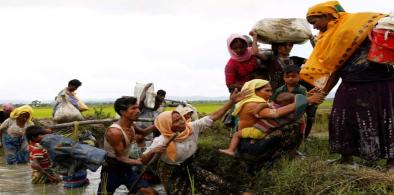
Myanmar and Bangladesh must cooperate in a neighbourly manner. Resolving the regional humanitarian problem will benefit the entire region of South Asia and Southeast Asia, writes Parvej Siddique Bhuiyan for South Asia Monitor
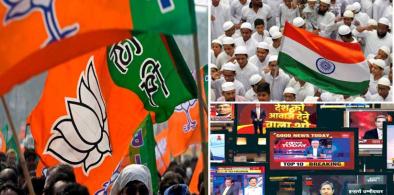
In view of the growing trade and cultural ties between India and the Arab world, it will be disastrous if differences aggravate and no remedial and timely actions are taken, writes Asif Rameez Daudi for South Asia Monitor
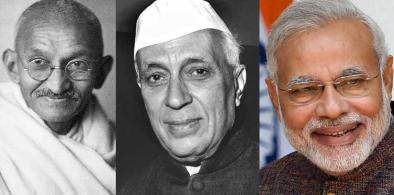
Beginning with Mahatma Gandhi and Jawaharlal Nehru till Narendra Modi, we have a tendency to associate divine qualities to a political leader, writes Dr. Suparna Banerjee for South Asia Monitor
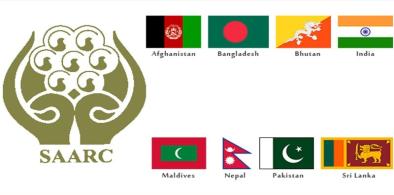
Covid-19 pandemic and Sri Lanka's crisis are the best examples for all member states to try their level best to revitalize SAARC, writes Dr Shakuntala Bhabani for South Asia Monitor
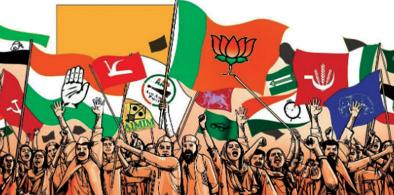
The major political parties in India need to oppose the gross violations of the Constitution, the bulldozer (in)justice and beating of accused in custody, writes Dr Ram Puniyani for South Asia Monitor
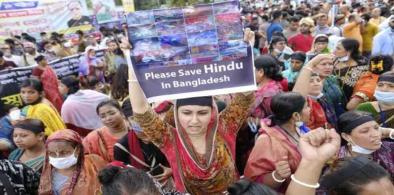
Unlike Myanmar and India, Bangladesh has never, particularly since 1991, promoted any discriminatory policy against minorities, writes Samina Akhter for South Asia Monitor
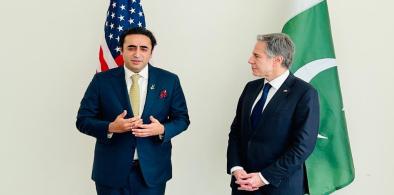
A number of factors in Pakistan such as the alarming economic situation, continued grey-listing by the FATF, growing terrorism challenges created the exigency for a reset in its ties with Washington, writes Shraddha Nand Bhatnagar for South Asia Monitor
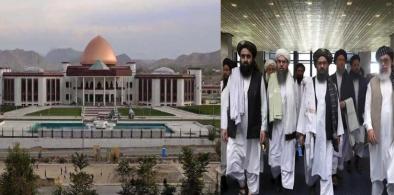
But the democratic world, mainly the US, already lost its battle for democracy in South and Central Asia by allowing the collapse of the the Afghan Republic, writes Fahim Sadat for South Asia Monitor

The Taliban, on the other hand, assiduously tried to exert themselves as an independent sovereign authority in Afghanistan, which was also reflected in the series of interviews that the group’s senior leaders gave to Indian media just before Singh’s visit. They also assured, on multiple occasions, that if New Delhi decided to re-open its embassy, they will be provided security, India’s prime concern, writes Shraddha Nand Bhatnagar for South Asia Monitor

The policy dilemmas which the economies of South Asia face call for collective thinking, although each country may have to pursue its own strategy, writes Partha Pratim Mitra for South Asia Monitor
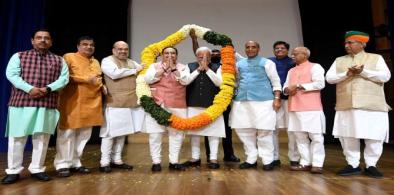
Now the BJP may begin to have second thoughts about aggressive pro-Hindu tactics. Even if it has won over large sections of the communal-minded Hindus at home, it will be wary of an Arab boycott of Indian products abroad, writes Amulya Ganguli for South Asia Monitor
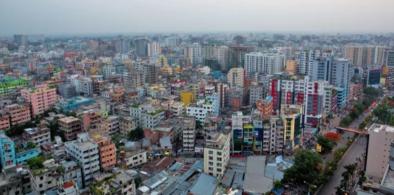
Bangladesh is a South Asian miracle. Dislodging India, Bangladesh has quietly made its way to the top spot of the South Asian economic wheel, writes Shuvo Das for South Asia Monitor
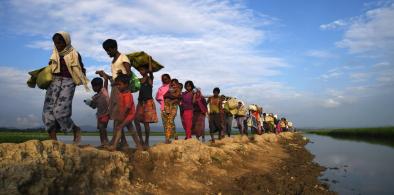
The Afghan and Ukraine crises have worsened the situation. But the world must remember that Rohingyas are also refugees, writes Parvej Siddique Bhuiyan for South Asia Monitor