Labor economists and various surveys have said the pandemic and consequent job and income losses have pushed tens of millions of Indians into poverty in the last few months, writes Vaibhavi Pingale for South Asia Monitor


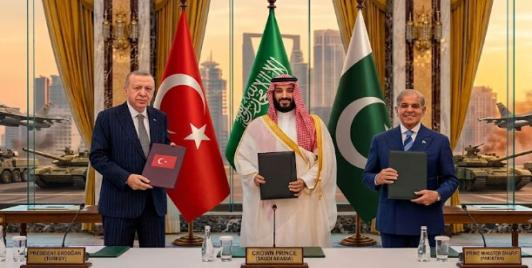
It would also explain why Pakistan is trying to preserve a distinction between supporting Saudi Arabia and fighting the Houthis. Pakistan has every reason to avoid another open-ended conflict in the Middle East. Its military is heavily committed to its own security challenges. Its economy cannot easily absorb the political and financial consequences
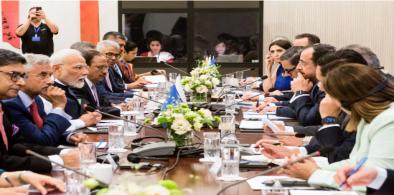
EU and India could establish a regular EU–India-Middle East Consultative Mechanism involving foreign-policy officials and experts. Its purpose would be to coordinate positions before major international gatherings and meetings.

For Sri Lankan politics, this is more than diplomatic sightseeing. It raises a fundamental question whether the JVP is developing a sophisticated strategy of balancing relations with India and China or is it gradually adapting itself to the organisational models of powerful one-party or dominant-party systems in China and India respectively?

The ongoing civil war in Myanmar has caused an influx of armed cadres (Meitei, Naga and Kuki) into Manipur's border tracts like Kamjong district, further squeezing finite land resources and aggravating historical territorial disputes. What began as a localized dispute under the state's newly elected government in February 2026 has escalated into intense, multi-district armed warfare.
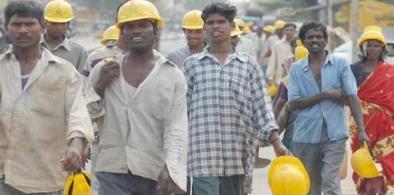
Labor economists and various surveys have said the pandemic and consequent job and income losses have pushed tens of millions of Indians into poverty in the last few months, writes Vaibhavi Pingale for South Asia Monitor
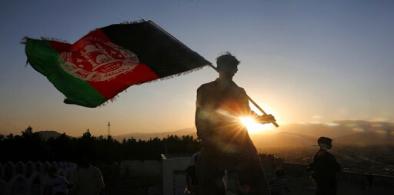
I believe that as an Afghan and as a youth, after the full withdrawal of US troops from Afghanistan, no pretext and justification will exist for the Taliban to continue the war - the jihad against a foreign power, writes Bator Arsalan for South Asia Monitor
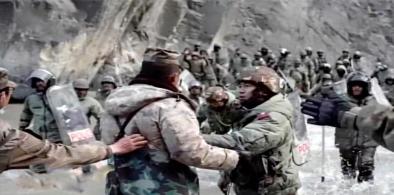
The least India can do is to let the Tibetan community in India select a new Dalai Lama; if there are two Dalai Lamas (one selected in India and one in China), New Delhi should have nothing to do with the Beijing-backed Dalai Lama, writes M.R. Narayan Swamy for South Asia Monitor
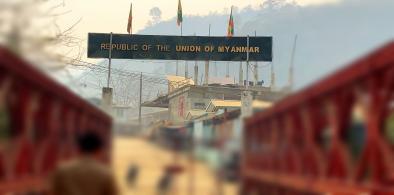
Amid pervasive expansion of Chinese influence in Myanmar, New Delhi doesn’t want to give further space to Beijing and feels the best option is to remain silent on the Myanmar military’s actions, writes Pema Tseten Lachungpa for South Asia Monitor
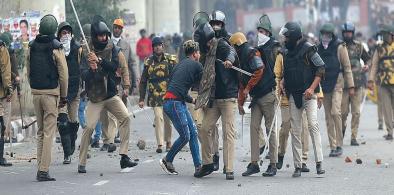
Police brutality in India is a form of institutional violence as it is closely connected with law enforcement and torture is perceived as an expeditious method of policing, writes Rahul Machaiah for South Asia Monitor
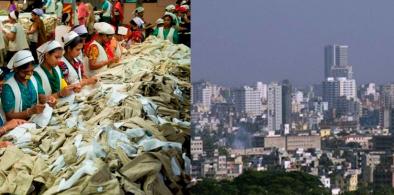
Politically, the Sheikh Hasina government has adroitly maneuvered a middle but autonomous road for Bangladesh, away from the influences of two regional powers, China and India, writes Aneek Chatterjee for South Asia Monitor
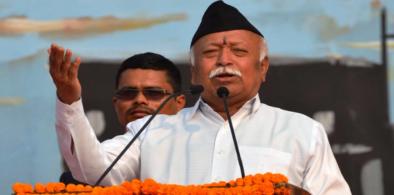
The nation, and especially Hindus and Muslims, will be waiting with bated breath to see what impact the RSS supremo’s advice has on the ruling BJP, writes Amulya Ganguli for South Asia Monitor

Dilip Kumar suffered during the phases when neighbors Pakistan and India went to war, but his popularity and the run of his films remained unaffected, on both sides of the border, writes Mahendra Ved for South Asia Monitor
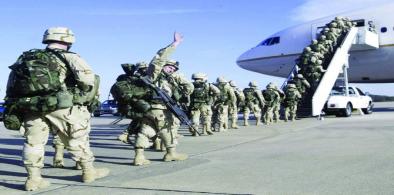
Pakistan fails to realize that with US troops exiting Afghanistan, Washington will no longer overlook the generation of terrorism and recruitment of child soldiers by Pakistan, especially when it is wedded to Beijing against the US, writes Lt Gen P. C. Katoch (Retd) for South Asia Monitor
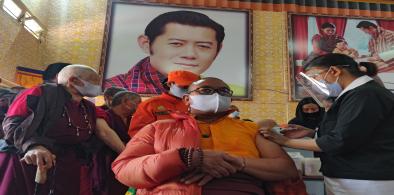
Although Bhutan will succeed in its vaccination drive, the scramble in the South Asian region for doses underscores the highly iniquitous access to vaccines to fight Covid-19, writes N. Chandra Mohan for South Asia Monitor
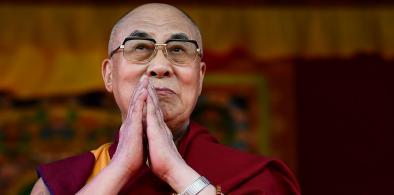
The Chinese Communists were never shy in shaking hands with insurgents and rebels from India. In contrast, the Dalai Lama has never wielded a weapon. In that sense, he is also a Mahatma Gandhi, writes M.R. Narayan Swamy for South Asia Monitor
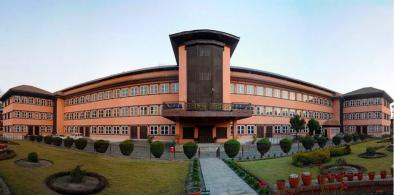
The Supreme Court of Nepal issued 246 verdicts in 2019-2020 to be implemented by the various ministries, The government, in most cases, didn’t comply with the court orders, writes Ravi Nayak for South Asia Monitor
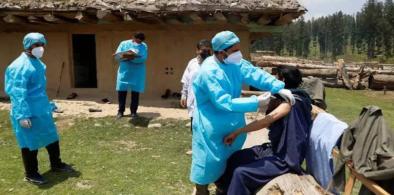
The government’s vaccination outreach to remote border areas, in Kashmir and the Northeast, and the local people's smiling embrace of these efforts was an indication of their comfort level and confidence in the Indian system, writes Nilova Roy Chaudhury for South Asia Monitor
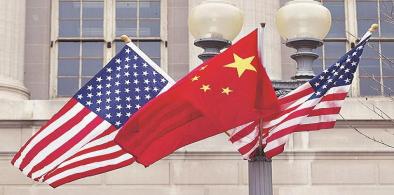
In the long run, if tactically implemented, the B3W initiative can also help India and its allies balance China’s String of Pearls strategy in South Asia and beyond, writes Pradeep S. Mehta for South Asia Monitor
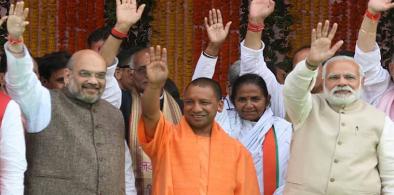
A defeat in Punjab or in Goa will not bother the BJP too much. But UP is different not only because its location in the heartland has always provided significant pointers about political trends, writes Amulya Ganguli for South Asia Monitor