Al Qaeda is leading a scattered existence along the Afghan-Pakistan border and its leadership is undergoing a constant shift, writes Anuttama Banerji for South Asia Monitor



India's engagement must reinforce ASEAN-led institutions without turning regional cooperation into an instrument of geopolitical competition against China. Its support for freedom of navigation, peaceful dispute resolution and the United Nations Convention on the Law of the Sea (UNCLOS) provides common ground.
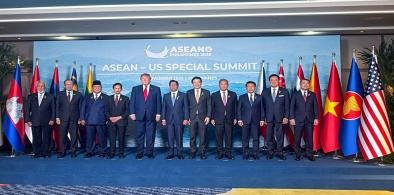
ASEAN never had a strong common strategic identity that can override the conflicting national security calculations of its members. The region consists of vastly different political systems, developmental capabilities, geopolitical affiliations, historical experiences and perceptions of external threats.

The Palk Bay dispute illustrates a wider challenge for South Asian maritime governance. Coastal fishing communities frequently experience the consequences of strategic decisions without having equivalent opportunities to influence them.

If a state allows a foreign private satellite network to handle part of its communications, it is in effect outsourcing part of its security and will eventually pay the price during a crisis, when it will be too late to negotiate. Ukraine found out that resilience does not mean ownership.

Al Qaeda is leading a scattered existence along the Afghan-Pakistan border and its leadership is undergoing a constant shift, writes Anuttama Banerji for South Asia Monitor
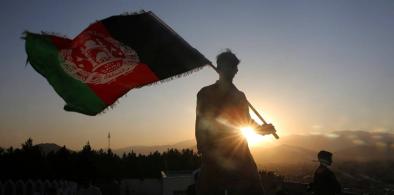
India won’t let the developments in Afghanistan affect its interests, more so because Pakistan and China are rubbing their hands in glee, waiting to move in to fill the vacuum in Afghanistan left by the United States, writes Mehraj udin Bhat for South Asia Monitor
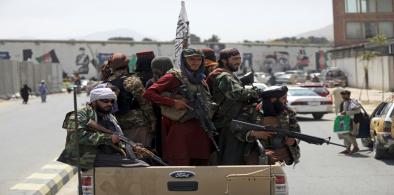
It is hardly surprising that in a mockery of the so-called US intelligence projection that Kabul could fall in 30 to 60 days, the capital caved in within 48 hours, writes Mayank Chhaya for South Asia Monitor
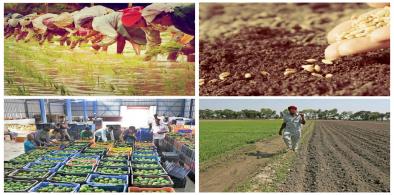
Indian industry must have a conducive environment to invest and employ more workers from farms, writes N Chandra Mohan for South Asia Monitor
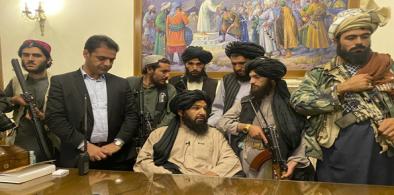
The Taliban are aware that if they shelter foreign militants with transnational agenda. It could turn neighboring powers like China, Russia, Iran, India, or Pakistan against them, writes Ainur Khan for South Asia Monitor

Today many Israeli universities have departments of Buddhist studies and South Asian philosophies as interest among Jewish scholars on Buddhist meditation continues to grow, writes Punsara Amarasinghe for South Asia Monitor
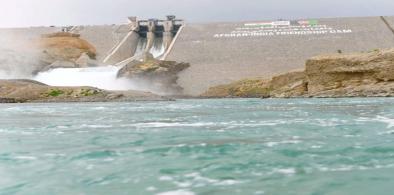
Pakistan has checkmated India to some extent, though the Taliban has recognized India’s role in the reconstruction projects and Salma Dam, writes Brig Dinesh Mathur (retd) for South Asia Monitor

To the extent that the Taliban keeps its word both on not letting it soil be used as a terrorist launch pad and keeping off Kashmir, there is a possible window for the Modi government in India to engage with it, writes Mayank Chhaya for South Asia Monitor

India's poor record of implementing infrastructure projects in neighboring countries has pushed them even more towards China, writes Anup Sinha for South Asia Monitor
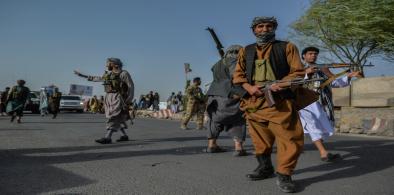
Can the US pose as the champion of human rights after abandoning the Afghan population to this horrendous human tragedy? writes Lt Gen P. C. Katoch (retd) for South Asia Monitor
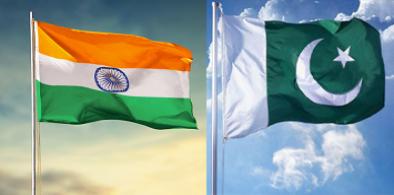
For India and Pakistan, therefore, which were once a single country, the anniversaries of their independence days are burdened with thoughts of what might have been, writes Amulya Ganguli for South Asia Monitor

The document seeks to achieve Sri Lanka’s foreign policy objective vis-à-vis India while coming closest to admitting that China has cast a long shadow over Colombo-New Delhi ties, writes M.R. Narayan Swamy for South Asia Monitor
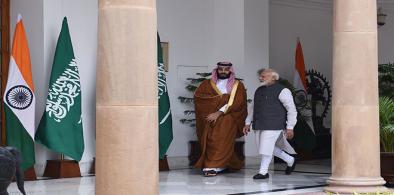
Indo-Saudi economic ties have seen tremendous growth over time, writes Asif Rameez for South Asia Monitor

India can offer to lend a helping hand in a new shared spirit of sporting togetherness that can bind South Asia, writes Sirshendu Panth for South Asia Monitor
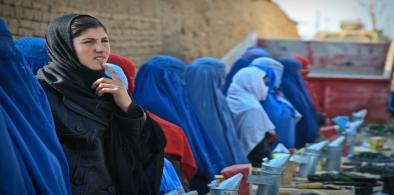
The forty years of protracted war has impacted Afghan society, especially women, in a way that has few parallels in human history, writes Shraddha Nand Bhatnagar for South Asia Monitor