Bangladesh's leaders struggled to protect people's right to vote when they were out of power; in power, they continue their attempts to deprive them of the right to vote, writes Aashish Kiphayet for South Asia Monitor


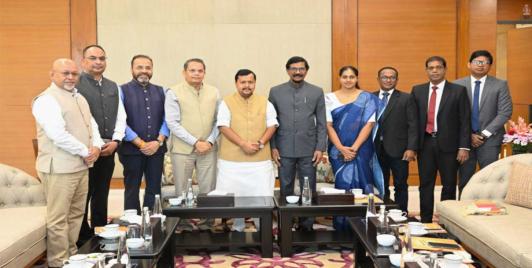
For Sri Lankan politics, this is more than diplomatic sightseeing. It raises a fundamental question whether the JVP is developing a sophisticated strategy of balancing relations with India and China or is it gradually adapting itself to the organisational models of powerful one-party or dominant-party systems in China and India respectively?

The ongoing civil war in Myanmar has caused an influx of armed cadres (Meitei, Naga and Kuki) into Manipur's border tracts like Kamjong district, further squeezing finite land resources and aggravating historical territorial disputes. What began as a localized dispute under the state's newly elected government in February 2026 has escalated into intense, multi-district armed warfare.
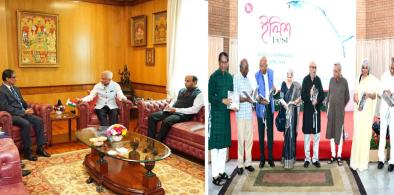
Hamidullah’s tenure has been marked by promotion of Bangladesh's soft power, with the envoy going around the country underlining the deep roots of people-to-people ties.
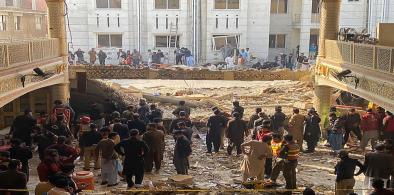
India must also recognise that Pakistan's internal security crisis has wider regional implications. Escalating Pakistan–Afghanistan tensions could create additional uncertainty along the western frontier, while attacks on Chinese projects could affect regional connectivity and investment.
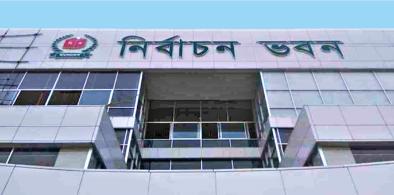
Bangladesh's leaders struggled to protect people's right to vote when they were out of power; in power, they continue their attempts to deprive them of the right to vote, writes Aashish Kiphayet for South Asia Monitor
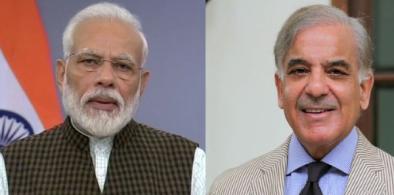
If only the leaders in both India and Pakistan would listen for once to the voices of young people and the dreamers, and not be swayed by the fanatics, no time can be short enough to make a new beginning, not just for India and Pakistan, but for the two billion people of South Asia, writes Tarun Basu for South Asia Monitor
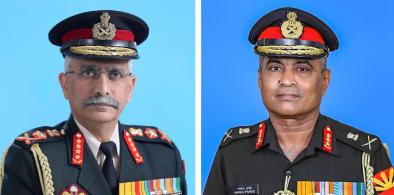
The reality is that Delhi had forfeited the tactical advantage that the Indian Army had acquired at considerable cost, to ostensibly facilitate the negotiations with China. However, despite multiple rounds of talks, the PLA has not moved back from all the areas that it had intruded into along the LAC, writes Cmde C Uday Bhaskar (retd) for South Asia Monitor
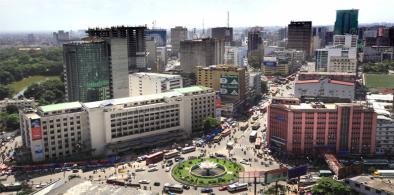
Bangladesh is a miracle story, while Sri Lanka and Pakistan are disaster tales, writes John Rozario for South Asia Monitor
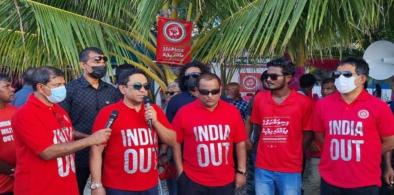
Yameen’s ‘India Out’ campaign is centred on his firm belief that independent of change of governments and leaderships in New Delhi, India was against his becoming president, writes N. Sathiya Moorthy for South Asia Monitor
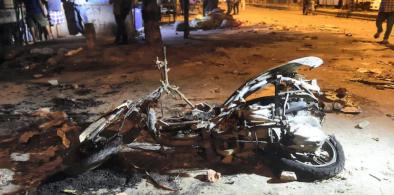
Even in these dark times, one can see bright rays of communal harmony. One only hopes these trends are encouraged and divisive loudmouths are punished, writes Dr Ram Puniyani for South Asia Monitor
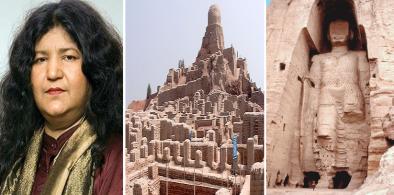
Museums and art galleries are the preserves of the common heritage of South Asia, and it is a pity these are often destructively targeted during political conflicts, writes Mahendra Ved for South Asia Monitor
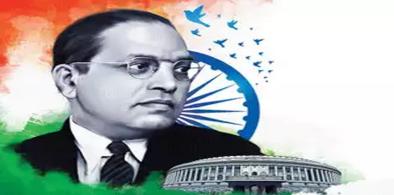
In another CSDS study of post-poll analysis after the 2019 Lok Sabha elections, it was found that between 2014 and 2019 support for the BJP among Dalits, Adivasis and Other Backward Class has more than doubled, writes Dr Ram Puniyani for South Asia Monitor

Unlike many other South Asian countries, Bangladesh's prudent and selective engagement with China's BRI has helped Dhaka avoid debt problems, writes Sheikh Abdur Rahman for South Asia Monitor
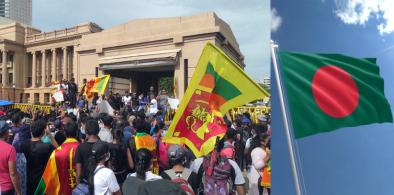
Bangladesh may not face the same situation as Sri Lanka in the near future but it has considerable weaknesses in its economy and good-governance processes, writes Aashish Kiphayet for South Asia Monitor

The allure of Russian oil for India, however, is more than the imperatives of energy security. It also has deep stakes with $16 billion of investments in various oil and gas projects in Russia, writes N. Chandra Mohan for South Asian Monitor
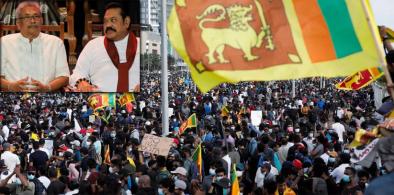
Given that Sri Lanka has a post-independence history of episodic JVP militancy in 1971 and 1987, there is concern about the direction the street protests may take, writes N. Sathiya Moorthy for South Asia Monitor
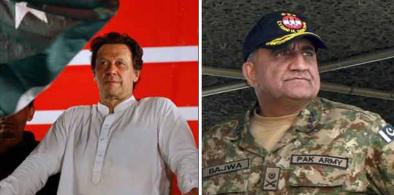
On two counts – annoying Army and America, two of the three pillars on which Pakistan’s polity stands -- may block Imran Khan's future comeback. Only the third, Allah, can help, writes Mahendra Ved for South Asia Monitor
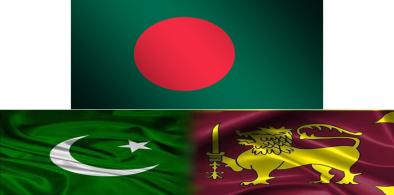
Bangladesh has very strong leadership, pragmatic fiscal policy and foreign reserves. The Sri Lankan case is totally different, writes Mehjabin Bhanu for South Asia Monitor
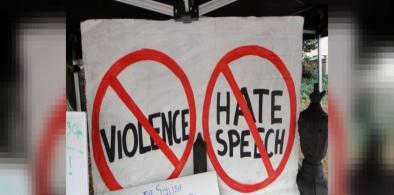
From within the Muslim community there are extremist elements who in the name of Islam provide much-needed provocations to majoritarian politics, writes Dr Ram Puniyani for South Asia Monitor