With Pakistan in an economic mess more should be done to hurt its economy. Limited military means to do so remains a viable option, with all other unstated options open, writes Lt Gen Syed Ata Hasnain (retd) for South Asia Monitor


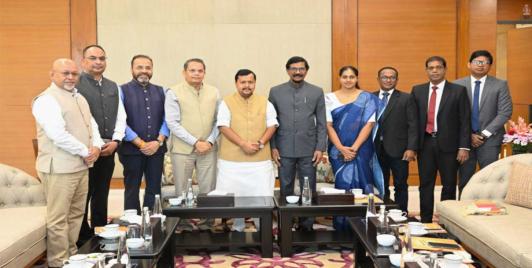
For Sri Lankan politics, this is more than diplomatic sightseeing. It raises a fundamental question whether the JVP is developing a sophisticated strategy of balancing relations with India and China or is it gradually adapting itself to the organisational models of powerful one-party or dominant-party systems in China and India respectively?

The ongoing civil war in Myanmar has caused an influx of armed cadres (Meitei, Naga and Kuki) into Manipur's border tracts like Kamjong district, further squeezing finite land resources and aggravating historical territorial disputes. What began as a localized dispute under the state's newly elected government in February 2026 has escalated into intense, multi-district armed warfare.
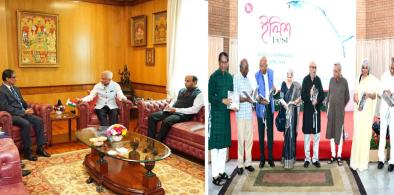
Hamidullah’s tenure has been marked by promotion of Bangladesh's soft power, with the envoy going around the country underlining the deep roots of people-to-people ties.
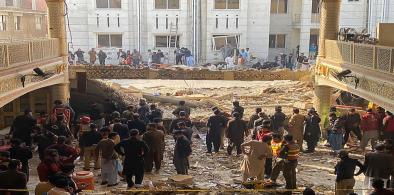
India must also recognise that Pakistan's internal security crisis has wider regional implications. Escalating Pakistan–Afghanistan tensions could create additional uncertainty along the western frontier, while attacks on Chinese projects could affect regional connectivity and investment.
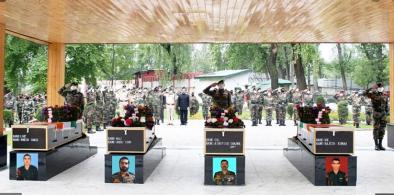
With Pakistan in an economic mess more should be done to hurt its economy. Limited military means to do so remains a viable option, with all other unstated options open, writes Lt Gen Syed Ata Hasnain (retd) for South Asia Monitor
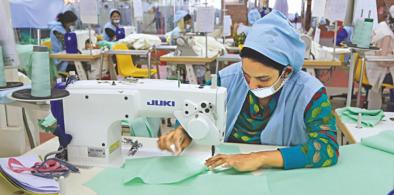
Considering the working environment and densely populated area combined with shabby living conditions of the workers, Dhaka and its neighboring districts of about 2.87 million people could be the next hotspot of the coronavirus outbreak, write Dr. Mohammad Rezaul Karim and Dr. Mohammad Tarikul Islam for South Asia Monitor
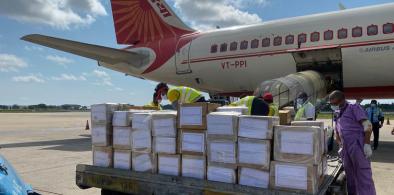
In the wake of COVID-19, India, with its medical diplomacy, struck the right chords and made the best use of its soft power stature in this crisis and has been trying to fill the global leadership vacuum, writes V K Samudrala for South Asia Monitor
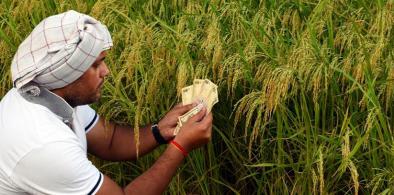
The economic discourse in India in a little over two months has changed from one of confidently steering the economy through investment and consumption measures to one of the stimulus packages for the needy and the vulnerable by government and liquidity infusion by RBI for businesses and jobs to survive, writes Partha Pratim Mitra for South Asia Monitor

We have to reach out across the country to help these performing artistes, backstage technicians, designers, cultural entities and their employees to endure the economic hardships caused by the forced closure of their operations due to the spread of COVID-19, writes Gautam Bhattacharya for South Asia Monitor

The future of India’s retail thus is increasingly digital. Post COVID-19, consumers especially in urban India are bound to change their behaviour, avoiding crowded bazaars and malls and preferring to shop online. Kiranas -- there are 12 million small and medium retailers employing 40 million people, writes Nadella Chandra Mohan for South Asia Monitor
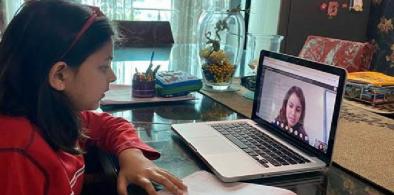
With such positive initiatives towards a totally technology-driven and -leveraged communication culture, the day seems to be not very far when one will see a paradigm shift in education - from a brick-and-mortar education to a click-and-portal one, writes Ashim Kumar Goswami for South Asia Monitor
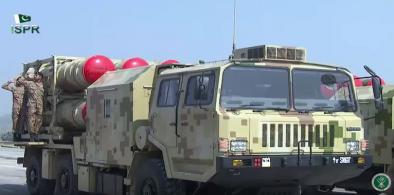
Pakistan wants to fulfill several objects by placing LY-80 missiles near Indian borders, writes Jai Kumar Verma for South Asia Monitor
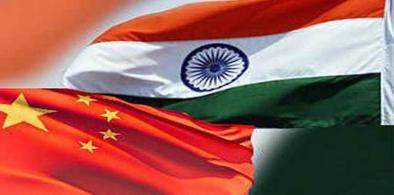
As many nations relocate their industries to newer locations, India should play its cards well and, with alacrity, could be one of the preferred destinations for replacing China, writes Lt Gen Kamal Davar(retd) for South Asia Monitor
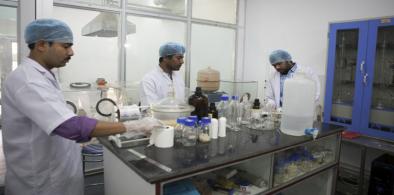
There is a need to invest in scientific research in the South Asian region so that disease control measures could be taken in the right earnest, writes Shubham Singh for South Asia Monitor
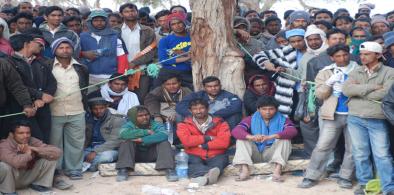
Due to COVID-19, Bangladeshi workers abroad are caught jobless, quarantined in shabby living places, mentally disturbed because of their family crisis of getting no money, fear of being affected by the coronavirus aftermath and uncertainties of being back in Bangladesh, write Dr. Mohammad Rezaul Karim and Dr. Mohammad Tarikul Islam for South Asia Monitor
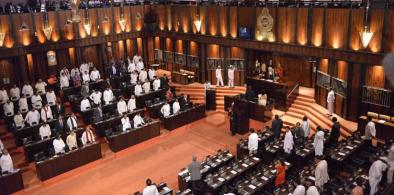
Some of the decisions by the CC have resulted in a major tussle between the Council and the Executive in Sri Lanka, writes Sugeeswara Senadhira for South Asia Monitor
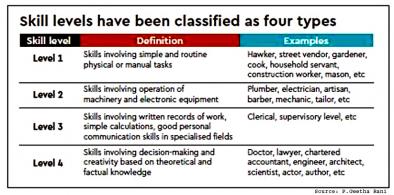
Devising a strategy to help close the digital skills gap should be a key focus for all businesses during the next decade and beyond, writes Partha Pratim Mitra for South Asia Monitor
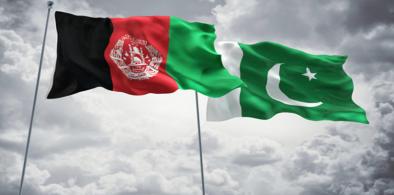
A common thread that runs through them is of COVID-19 taking the back seat in the plans and actions of various stakeholders in the AfPak region working at cross-purposes, writes Mahendra Ved for South Asia Monitor

There is growing realization within the government and diplomatic community that India stands to lose a great deal in allowing Islamophobia to spread within India and among Indians abroad and some nimble diplomacy is required to change perceptions, writes Nilova Roy Chaudhury for South Asia Monitor