India was quick to offer grants on the condition that projects would be developed by Indian firms—an offer Colombo eventually accepted



The frightening possibility is not that AI becomes more capable than humans. It is that humans stop exercising capabilities they already possess, or have not yet developed, because AI can perform those functions for them.
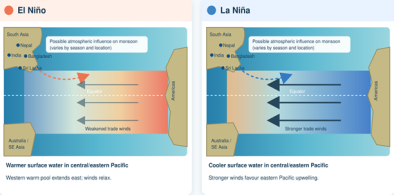
AI may genuinely extend the horizon over which seasonal climate risk can be estimated. For communities across South Asia living under the influence of the monsoon, a longer view could mean the difference between a farmer adjusting her planting in time and a family receiving a flood warning too late to act.

The central danger is, therefore, not simply that AI will be monstrous if the accelerator is pressed hard on the speed of technology. It is that the accelerator on human institutions also needs to be pressed harder to govern increasingly powerful technology.
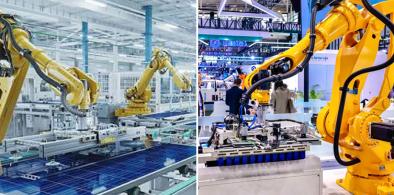
The fear of Chinese robots being the Trojan horse that can affect American and Western tech dominance and undermine cyber and military advantage will always be a strategic concern, despite attempts to view these fears as overblown.
India was quick to offer grants on the condition that projects would be developed by Indian firms—an offer Colombo eventually accepted

In February, the country’s foreign exchange reserves dropped to $2.31 billion, with the authorities struggling to pay for the imports of essentials like fuel, food, and medicine

The Bengaluru-based firm, which offers online education catering to all age groups, also sponsors the Indian cricket team and said the deal was its first major foray into soccer

In the last few days, at least three people have reportedly died while standing in these long queues due to exhaustion; another man was killed after a brawl over fuel, according to a report by Daily Mirror
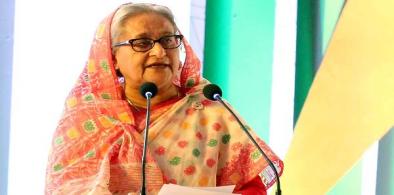
Bangladesh achieved the enviable target of electrifying every house in the country, Prime Minister Sheikh Hasina announced on Monday, almost 13 years after the government launched an ambitious rural electrification program
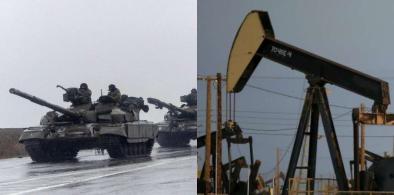
Given the meager oil dependency on Russia and India’s past experience to tackle global oil price shocks, the Russia-Ukraine conflict is unlikely to cause any major impact on the economy, writes S. Majumder for South Asia Monitor

Over ten million poor people in Bangladesh will receive subsidized food as the government is all set to implement an ambitious scheme aiming to provide relief to poor people being affected by skyrocketing commodities prices
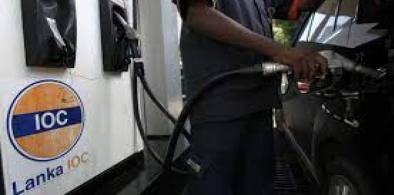
Sri Lanka’s crippling energy crisis is expected to ease in the coming days as India extended a $1 billion line of credit, bringing total assistance to Colombo around $2.4 billion since January this year
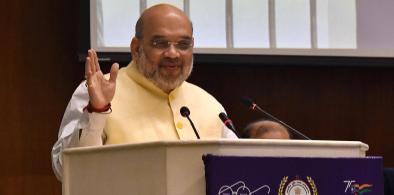
India's Home Minister Amit Shah on Thursday said the country needed to expand trade with the neighbouring countries as in the next ten years it would be among the top manufacturing countries. He, however, did not specify the countries
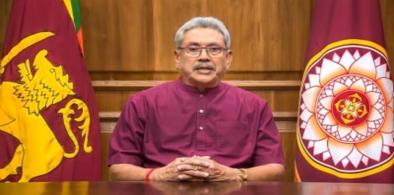
Sri Lanka will seek support from the International Monetary Fund (IMF), President Gotabaya Rajapaksa announced in a rare speech on Wednesday, where he acknowledged, for the first time, “sufferings” and “difficulties” faced by people as the island country faces one of its worst economic crises
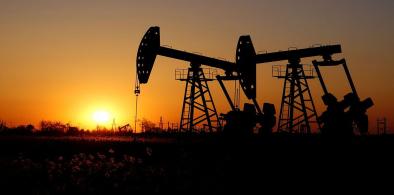
Accounting for under 3 per cent, Russia is not a major supplier of oil to India, which gets most of it from the Middle East, while the US is also emerging as an important source for energy products
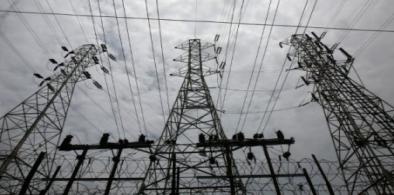
Dhaka has also been exploring trilateral cooperation in power sectors among India-Bhutan-Bangladesh and Nepal-India-Bangladesh

A new study conducted by the International Financial Corporation (IFC) and Dhaka Stock Exchange (DSE) puts Bangladesh at the top in South Asia when it comes to women’s leadership in listed firms. In 2021, women directors in listed firms were around six percent in comparison to five percent in 2020 when the Covid-19 pandemic hit the world.

Sri Lanka last week signed a deal with India’s Adani Group, awarding the latter two mega renewable power projects in the northern part of the country, as Colombo faces its worst power crisis, primarily caused by the foreign exchange crisis, in decades
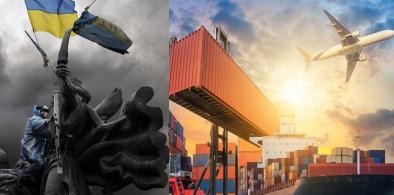
Amidst the Ukraine war, Indian exporters are worried about exports and have seen an early trend in declining orders for engineering goods and apparels