The time for half-hearted attempts, and/or conventional methods, has gone by when it comes to delivering justice in India.


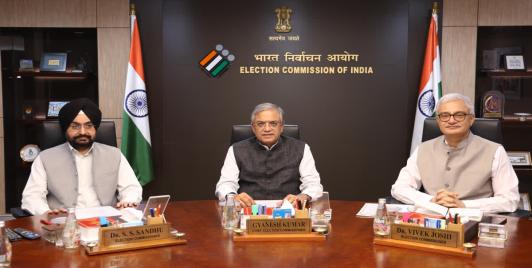
The Election Commission belongs neither to the government of the day nor to the Opposition. It belongs to the people of India. Its first duty is to protect the citizens' vote. That is the standard by which the CEC, the two ECs should be examined.
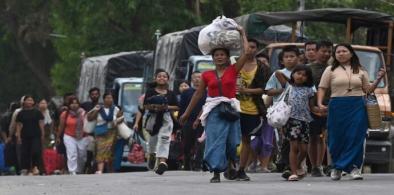
Manipur therefore needs to move beyond the language of relief and towards the language of restoration. The ultimate measure of recovery will not be how many camps have closed. It will be how many families can safely return, rebuild their livelihoods, educate their children, access justice and live without fear.
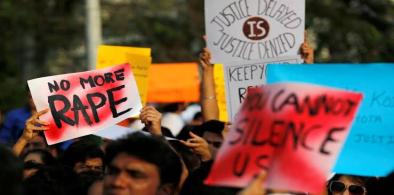
The Chopra siblings' murder in 1978, the Nirbhaya case of 2012, R.G. Kar Kolkata in 2024 and Kalkaji in 2026 belong to different historical contexts. Yet they reveal a recurring difficulty in Indian governance: we are capable of extraordinary mobilisation after extraordinary violence, yet less consistent at converting that mobilisation into permanent institutional practice.

The Tata group is a national icon, a picture of enterprise, growth and service packed in a business model that many Indians cherish and hold as an exemplar. That model, in which the bulk of a great enterprise’s profits flows to charitable trusts for the public good, is rare anywhere in the world.
The time for half-hearted attempts, and/or conventional methods, has gone by when it comes to delivering justice in India.
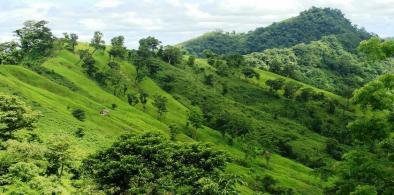
Local sources claim that multiple tribal terrorist groups are holding hundreds of thousands of people in the Chittagong Hill Tracts as hostages. These groups are active in controlling and influencing their areas through various sabotage and terrorist activities, extortion, kidnapping for ransom, attacks, and counter-attacks.
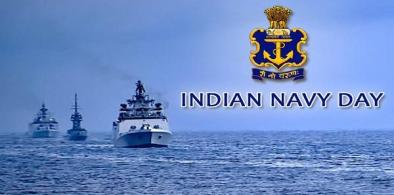
Indian Navy celebrates Navy Day on 4 December to commemorate "Operation Trident", the Navy’s lethal attack on Karachi harbour during the 1971 war.
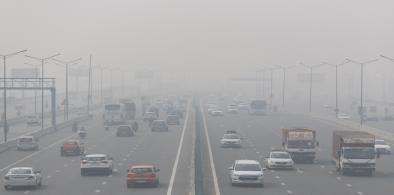
The pollution severely affecting the health of the population is of no consequence to India's politicians. It is high time our policymakers look at themselves in the mirror.
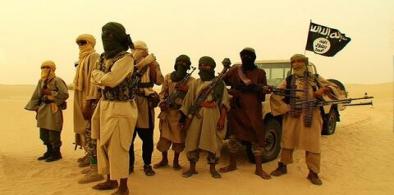
In recent years, a central phenomenon that spurred the rise of terrorist groups has been the United States cultivating fundamentalist Islamist groups through the CIA in client states such as Pakistan.
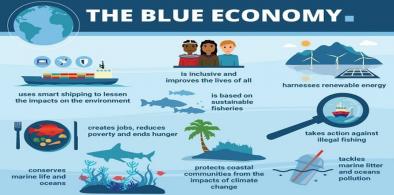
The Ministry of External Affairs (MEA) is working towards making the UDA framework an agenda for the multilateral forums in the IOR.
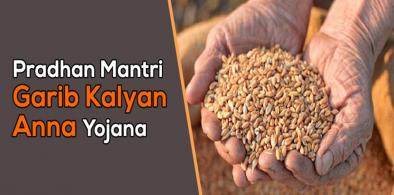
The Niti Aayog estimates using a multi-dimensional approach, that poverty has fallen below 15 percent. Why then are 58 percent of Indians getting free food? Or even if their food security needs have to be addressed, would this be better served by direct benefit transfers?
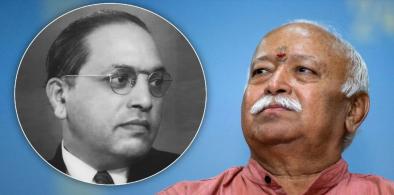
Ambedkar was for implementing the concept of fraternity; on the contrary, the politics of majoritarianism has spread hatred against minorities, leading to violence and polarization of society.
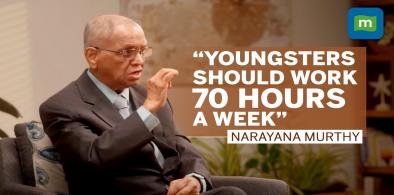
It may serve Infosys to have zombies but it can never serve the nation to valorise this as the route to a national revival. Many in India suffer low wages, zero benefits and long work hours. Murthy’s remarks will be used to legitimise these malpractices.
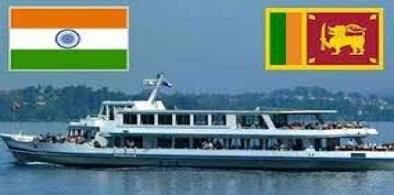
Sri Lanka has always been a very important and strategically critical Indian Ocean neighbour and removing the bottlenecks in their relationships has been a top priority for New Delhi.
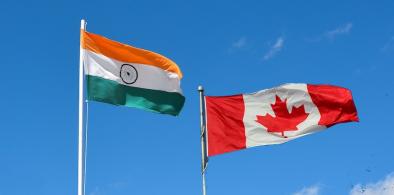
Justifiably, India and Sri Lanka are unhappy that the Canadian government is giving the freedom to operate to separatist movements in Canada and is keeping its eyes and ears closed to the violent objectives of the separatists.
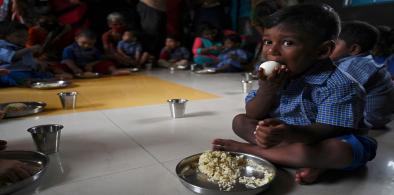
The report notes that India has the highest child-wasting rate in the world, at 18.7 per cent, reflecting acute undernutrition. It places India way below a neighbour like Bangladesh, which has a score of 19, a rank of 81 and is categorised on the GHI Severity of Hunger Scale as “moderate” – a class jump over the Indian numbers.
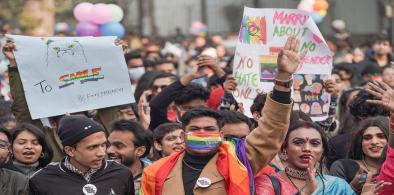
The verdict certainly is an impediment to the quest for self-respect, individuality and self-esteem of its citizens.India could have set an example with positive affirmation of this right as only Nepal and Taiwan have recognized same-sex unions in Asia.
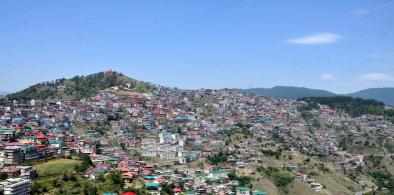
Townships in our hilly regions are mushrooming in a grossly unplanned and unscientific manner, generating excessive pressure on the rock surface, which can manifest in catastrophes.

Pakistan’s CWC Act 2000, Pakistan Bio Safety Rules 2005 and Pakistan Export Control Act 2004 are the evidence of Pakistan's sincerity to the implementation of CWC and BWC. Because of the dedicated efforts of science and policy leaders in Pakistan, the country is on the road to becoming a regional role model in ensuring biosafety and capacity for biosecurity.