Uncontrolled proliferation of the existing combat uniform has led to many cases of breach of security of military establishments and personnel and, while it has been a cause of concern, not enough action has been initiated


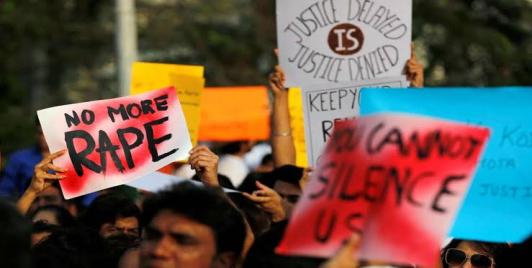
The Chopra siblings' murder in 1978, the Nirbhaya case of 2012, R.G. Kar Kolkata in 2024 and Kalkaji in 2026 belong to different historical contexts. Yet they reveal a recurring difficulty in Indian governance: we are capable of extraordinary mobilisation after extraordinary violence, yet less consistent at converting that mobilisation into permanent institutional practice.
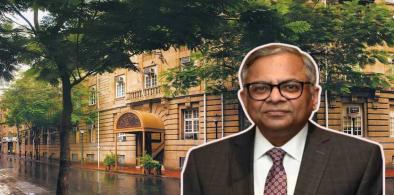
The Tata group is a national icon, a picture of enterprise, growth and service packed in a business model that many Indians cherish and hold as an exemplar. That model, in which the bulk of a great enterprise’s profits flows to charitable trusts for the public good, is rare anywhere in the world.
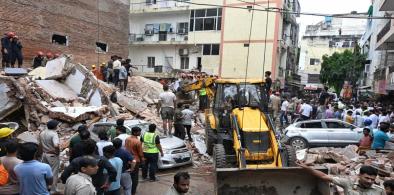
Aggressive migration of youth and workers to metro cities in search of better opportunities is common across the region. And so is the response deficit by local and central governments in providing them with basic, dignified lifestyles. The time has come for the elected representatives to think differently and narrow the gap between government schemes and results on the ground.
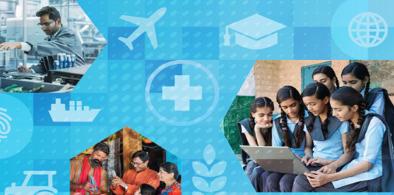
These achievements have positioned India as a digital governance exporter. Singapore, Nepal, Bhutan, France, Mauritius, Sri Lanka, and the United Arab Emirates have already established UPI connectivity, and more than 50 countries have expressed interest in replicating aspects of India Stack’s open digital infrastructure.
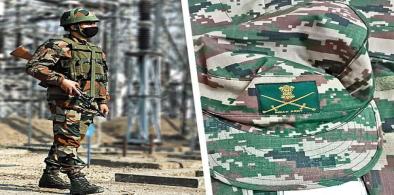
Uncontrolled proliferation of the existing combat uniform has led to many cases of breach of security of military establishments and personnel and, while it has been a cause of concern, not enough action has been initiated
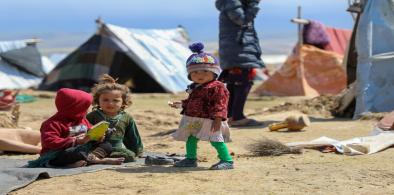
The country is already one of the worst places in the world to be a child, And, in the past year, the situation has become grimmer because of crippling poverty, violence, and drought, according to UNICEF.
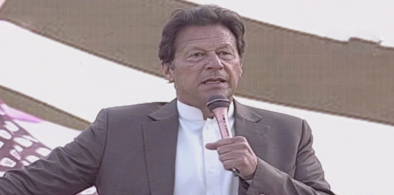
His remarks came days after some media reports indicated that the Pakistan Army could try to facilitate a dialogue or deal between Khan and the ruling coalition to create a consensus on early elections, which remains Khan's primary demand, writes Shraddha Nand Bhatnagar for South Asia Monitor
The decision to oust Imran Khan ultimately allowed him to hijack the anti-establishment tag in his favour. Khan’s repeated reference to the government as the “imported government” and to the military as “neutrals” further reinforced his perception as a popular civilian leader
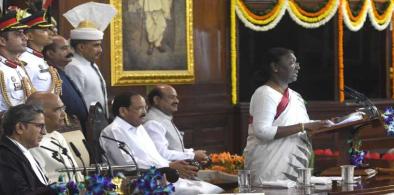
In that sense, her choice by the dispensation of Prime Minister Narendra Modi, otherwise seen as an autocratic leader who has been accused of undermining many of India's democratic institutions, is seen as nothing sort of revolutionary, both by the standard of the country's conservative political and social norms
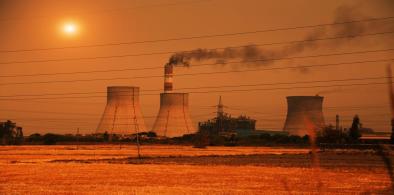
In India over 75 per cent of electricity is generated from coal-based thermal plants. Oil accounts for less than 2 percent of electric power, writes S. Majumder for South Asia Monitor
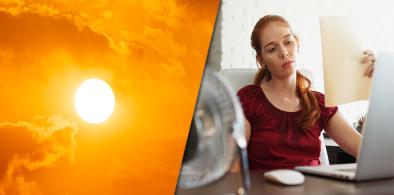
The simplest solution will be to change working hours by advancing it to 0700 hours and ending the workday at 1530 hours, so that the entire working hours are during daylight hours, writes Amb Sarvajit Chakravarti (retd) for South Asia Monitor
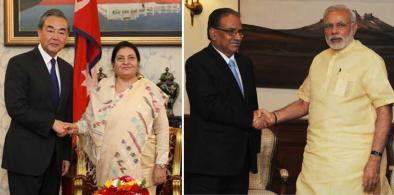
Under no circumstances would New Delhi like to see a break in the recent momentum in bilateral relations generated through increased economic and developmental cooperation, even if there is a change of the government in Kathmandu later this year, writes Shraddha Nand Bhatnagar for South Asia Monitor
For Pakistan's political elites, it has become a cycle of securing loans from allies to fund its ever-ballooning deficit and again approaching the IMF when funds dry up, writes Shraddha Nand Bhatnagar for South Asia Monitor
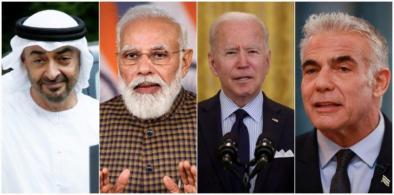
The I2U2 will work in six areas – water, energy, transport, space, health, and food security – combining the expertise and the resources of the four nations, Modi said
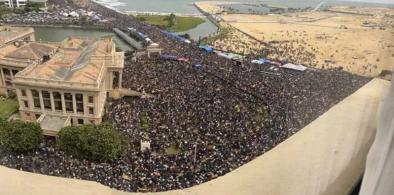
A short video, which went viral on social media, showed people searching for leftover food in the kitchen.
Perspective
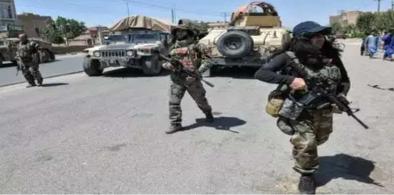
The bodies recovered by the residents showed evidence of torture and brutal executions, including some with missing limbs and ropes around their necks. Others had their head beheaded or slit throats, according to the report
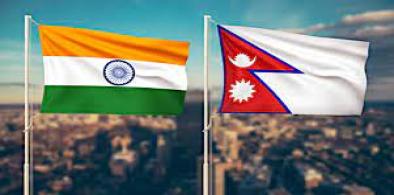
Nepal, which shares a long open border with India to its north, west and east, enjoys cultural, historical, and civilizational bonds with India for centuries. People across the border in both countries have been inter-marrying for ages, which led to the “Roti and Beti ka Rishta” (cultural and marital bond) tag to the relationship between the two neighbours.
Other countries in the region, such as Sri Lanka, Pakistan, and Nepal, are also struggling to arrest the depletion of their foreign exchange reserves as a result of high fuel prices. However, Bangladesh is still better placed and has enough time to work out a deal with the IMF.
Experts have pointed out Pakistan’s need to undergo deep structural reforms to avoid recurring cycles of loans and knocking at the IMF's doors