The world backs Bangladesh and wants Myanmar to take back the Rohingyas but repatriation is not taking place


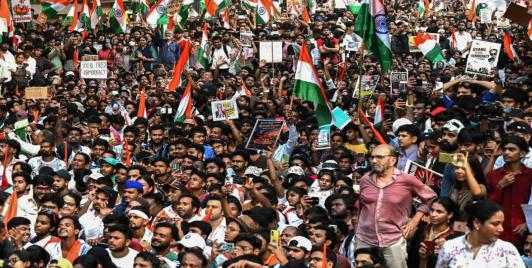
The CJP’s journey, however, is no longer confined to the politics of examination failures and youth precarity. Its School Thik Karo campaign has extended the movement’s work towards accountability for basic public-school infrastructure, while its latest mobilisation has turned to electoral accountability.
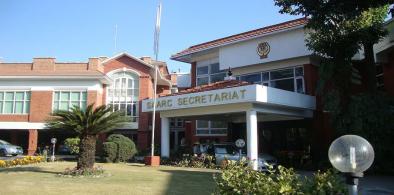
Whether or not “Himalayasia” ever catches on as a name, the underlying question it poses is a serious one for a region that houses a quarter of the world’s population, spends tens of billions of dollars a year arming itself against its own neighbors, and still trades more easily with the far side of the globe than across its own borders

South Asia often discusses youth mobility after a student has already decided to leave the region. A stronger regional system would give students another option before that point: international experience that is close enough to be practical, but different enough to change what they learn.

If dummy admissions, prolonged school absenteeism, and an unregulated coaching culture continue unchecked, we may end up producing students who have spent enormous amounts of time and money on education without actually receiving the education they need.
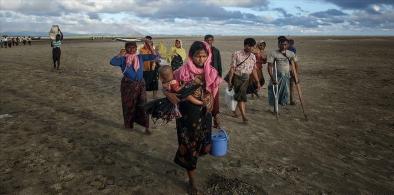
The world backs Bangladesh and wants Myanmar to take back the Rohingyas but repatriation is not taking place
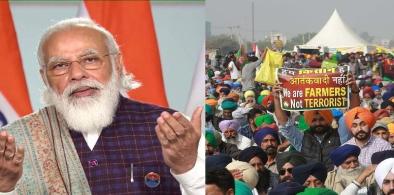
With Pakistan and China wanting to fish in troubled waters in India, the Modi government has attempted to douse the fire by withdrawing the farm laws
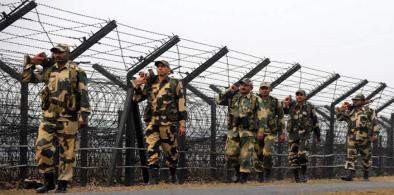
Indian security agencies should respect the sovereignty of Bangladesh and the Bangladeshi people, writes Hafizur Talukdar for South Asia Monitor

Mica paintings were attractive to many Englishmen because they documented life in 19th century India

A truly unsung hero of the Indian diaspora, Hans Vermeersch deserves some recognition for his lifelong dedication to India.

The world climate did not become better after the Paris meet and it will not become better after the Glasgow meet too

Women in Cloud and Indiaspora have announced the launch of a community fundraising campaign in the United States to provide cash assistance to women in India who have lost the primary earning member of their family due to COVID-19

Bollywood can serve India by supporting movies that are more nuanced and back the rights of victims of establishment overreach
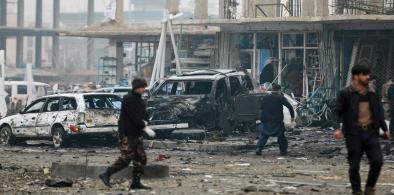
If Pakistan is not reined in, peace will always elude Afghanistan

The Indian American Kerala Cultural and Civic Center (http://keralacenterny.com) will honor eight Indian American Malayalees for their outstanding achievements in their field of specialization or for their service to the society at its 29th Annual Awards Banquet to be held on November 13, 2021
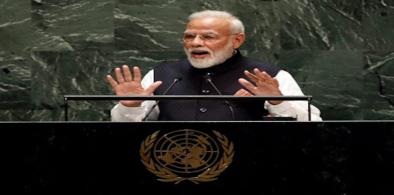
India had to gear its foreign policy to play its desired role in international relations while maintaining its strategic autonomy and commitment to universal ideals and moral values
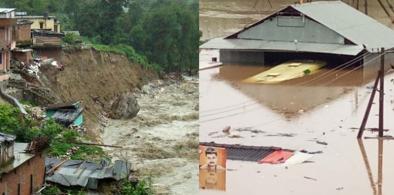
The annual monsoon poses a persistent threat for millions of people and governments should do more to reduce the risk to life and property
The consumptive lifestyle of Western societies is putting tremendous pressure on the world
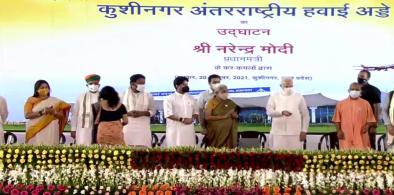
By denying the invitation to the Dalai Lama for the inauguration of Kushinagar international airport, it is obvious that India wants to ensure that China is not displeased
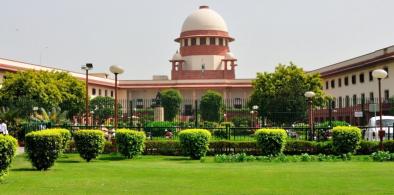
Amid a brute parliamentary majority, the judiciary in India remains the only hope for restraining an autocratic executive