The withdrawal of the US forces will increase India's concern about the recapture of power by the Taliban and the use of Afghanistan’s territory as a safe haven for terrorists, writes Indu Saxena for South Asia Monitor


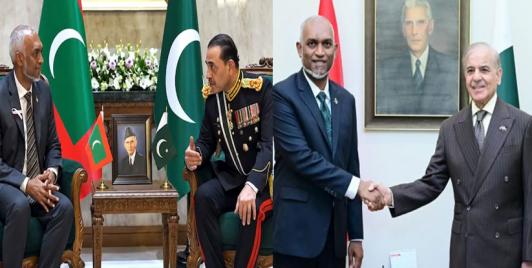
The Maldives, like other small states, has an interest in diversifying its international partnerships, widening its economic choices and retaining room for diplomatic manoeuvre. Engagement with Pakistan does not necessarily come at India's expense

Three days of dialogue, debate, and engagement in Dhaka reinforced a sobering reality: despite ongoing discussions about multipolarity, middle powers, and strategic autonomy, great powers continue to shape the choices available to smaller states.
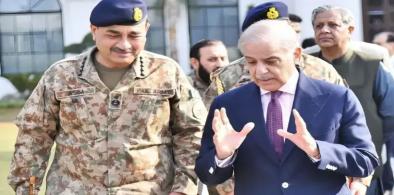
It would be simplistic to assume that every retired general appointed as an ambassador is an instrument of Asim Munir's influence. It would be equally complacent to dismiss the wider institutional implications of placing so many former military officers in diplomatic positions across several regions.
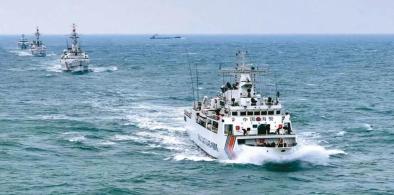
Arunachal Pradesh presents a particularly important dimension of the problem. China claims the northeast Indian state, refers to it as Zangnan, or South Tibet, and periodically challenges India's sovereignty through statements and the assignment of Chinese names to places within the state.
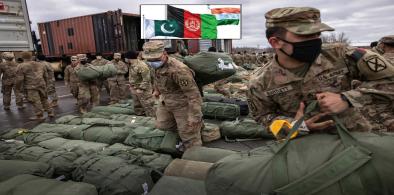
The withdrawal of the US forces will increase India's concern about the recapture of power by the Taliban and the use of Afghanistan’s territory as a safe haven for terrorists, writes Indu Saxena for South Asia Monitor

It’s high time for the people and the government to come together in devising a robust mechanism for the implementation of the constitutional provisions, for the republic, deserves to realize the cherished goals envisioned under the preamble, write Jivesh Jha and Dr Alok Kumar Yadav for South Asia Monitor
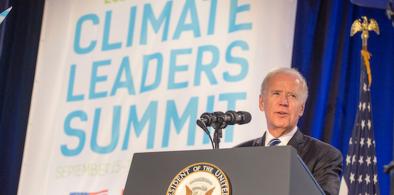
While carbon neutrality will be the pitch during the summit, PM Modi should use climate diplomacy not only to remind the developed countries about common but differentiated responsibilities and their past commitments, but also to institutionalize the mechanism and alliance jointly with USA, for tracking the climate finances to developing countries and mainstream climate justice, writes Rajendra Shende for South Asia Monitor
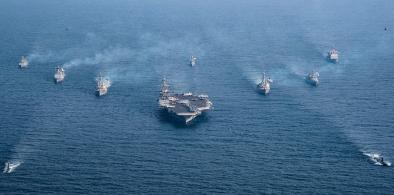
Amid the divergent claims by the US and the Indian governments, it is important to delineate the correct position of international law on the military activities in the EEZ, writes Aftab Alam for South Asia Monitor

Since there is little chance of the BJP desisting from its pursuit of religion-based politics which places the surmises, predilections and objectives of the party’s Hindu followers above those of the minorities, the country will have to brace itself for a prolonged period of Hindu-Muslim confrontation, writes Amulya Ganguli for South Asia Monitor
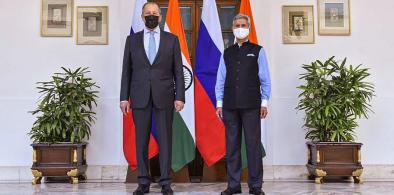
India is one of the few powers that sit at crossroads of Continental Eurasia and the Indo-Pacific --- the two regions that will define this century and to which India's development and security are inextricably linked, writes Lt. Gen. (Dr) Yash Malhotra (retd) for South Asia Monitor
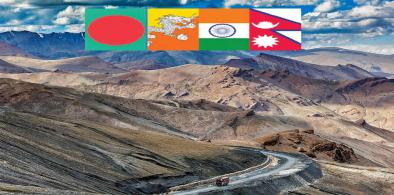
For Bangladesh, Bhutan and Nepal, the opportunities for growth include trading more with one another – with India as the pivot – with better water, road and rail connectivity, writes N Chandra Mohan for South Asia Monitor
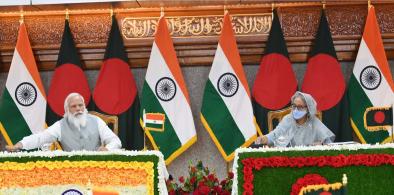
The leadership on both sides has ushered a new chapter in India-Bangladesh relations. India is well-positioned geographically and industrially to play the role of a near-shore partner for its allies like Bangladesh, writes Dr Indu Saxena for South Asia Monitor

Biden, who is trying to draw India closer on the strategic front in the Indo-Pacific also wants to increase its involvement in Afghanistan, writes Arul Louis for South Asia Monitor
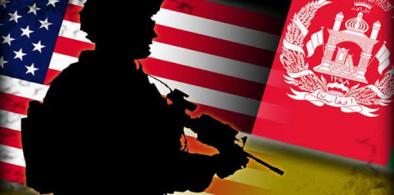
Walking out from the US-proposed intra-Afghan talks in Turkey, Taliban has cocked a snook at Capitol Hill indicating it will commence attacking foreign troops next month, writes Lt Gen Prakash Katoch (Retd) for South Asia Monitor
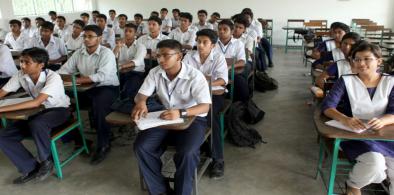
The digital economy gives a strong option for all countries of South Asia to connect not only within themselves but also globally, writes Partha Pratim Mitra for South Asia Monitor
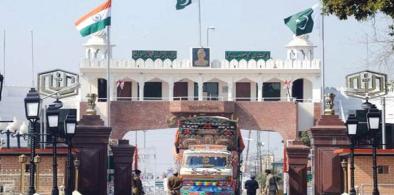
The upshot is that there is only one direction that bilateral trade between India and Pakistan can now go due to politics. This entails a huge loss in potential opportunities, writes N Chandra Mohan for South Asia Monitor
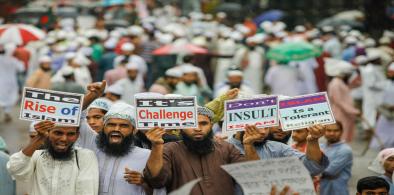
Hasina, now basking in the glory of having led Bangladesh to phenomenal economic and human development progress in the golden decade of development, has her task cut out, writes Subir Bhaumik for South Asia Monitor
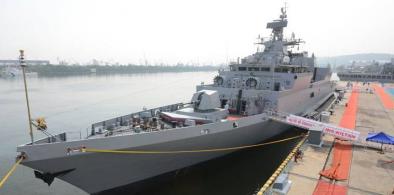
Over the last year, both UK and Germany have also indicated that they propose to send their naval units to the IOR periodically for joint exercises, given the salience now accorded to the Indo-Pacific as a region, writes Cmde C Uday Bhaskar (retd) for South Asia Monitor
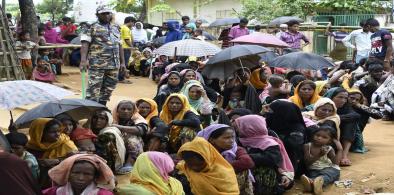
This is another aspect of the ‘Idea of India' on which the ruling party differs from the views of its opponents who swear by India’s multicultural society against the “one nation, one people, one culture” concept of the Hindu right, writes Amulya Ganguli for South Asia Monitor