US Secretary of Defense General Lloyd James Austin has said that the Afghan forces must slow the Taliban’s momentum. The question is how, writes Lt Gen P. C. Katoch (retd) for South Asia Monitor


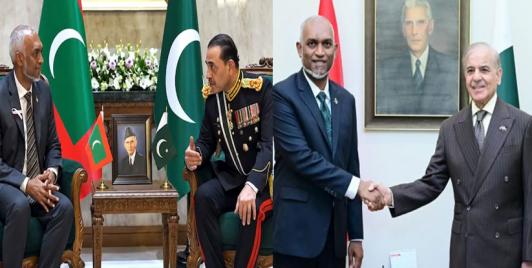
The Maldives, like other small states, has an interest in diversifying its international partnerships, widening its economic choices and retaining room for diplomatic manoeuvre. Engagement with Pakistan does not necessarily come at India's expense

Three days of dialogue, debate, and engagement in Dhaka reinforced a sobering reality: despite ongoing discussions about multipolarity, middle powers, and strategic autonomy, great powers continue to shape the choices available to smaller states.
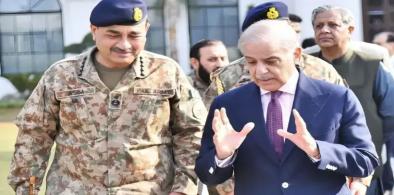
It would be simplistic to assume that every retired general appointed as an ambassador is an instrument of Asim Munir's influence. It would be equally complacent to dismiss the wider institutional implications of placing so many former military officers in diplomatic positions across several regions.

Arunachal Pradesh presents a particularly important dimension of the problem. China claims the northeast Indian state, refers to it as Zangnan, or South Tibet, and periodically challenges India's sovereignty through statements and the assignment of Chinese names to places within the state.
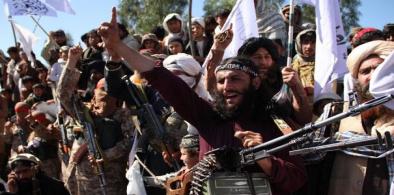
US Secretary of Defense General Lloyd James Austin has said that the Afghan forces must slow the Taliban’s momentum. The question is how, writes Lt Gen P. C. Katoch (retd) for South Asia Monitor

With the ever-growing presence of China in Southeast Asia, it would be injudicious to keep the economic and strategic prospects that West Bengal has to offer underutilized, and hostage to petty internal politics, writes Anondeeta Chakraborty for South Asia Monitor
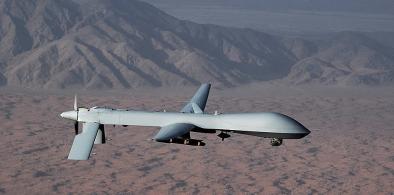
Not only was the use of a weaponized drone on the Jammu IAF base an act of war but a violation of the ceasefire agreement concluded by DGs, military operations, of India and Pakistan, effective from midnight, 24-25 February 2021, writes Col. Anil Bhat (Retd) for South Asia Monitor
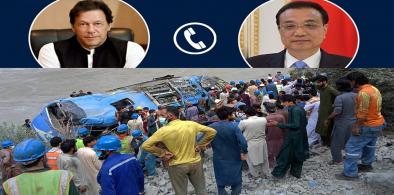
The Pakistan incident against Chinese workers is all the more worrying as Chinese personnel and technicians are working on various projects not only in Pakistan, but in other South Asian countries like Sri Lanka, Bangladesh, Nepal, as well as many African nations, writes N S Venkataram for South Asia Monitor

Better connectivity in this region would facilitate the establishment of trade linkages with other regions through platforms such as the BIMSTEC, SAARC, and ASEAN, writes Partha Pratim Mitra for South Asia Monitor
For Sher Bahadur Deuba’s government, the acid test of preserving Nepal’s core interests and increasing its bargaining capacity vis-à-vis India and China will depend on how the Nepalese leadership responds to the emerging geopolitical and geoeconomic imperatives in the region, writes Zahoor Ahmad Dar for South Asia Monitor
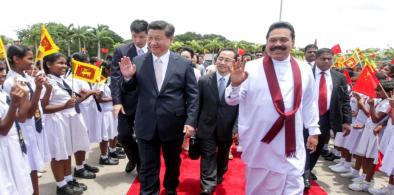
Given Sri Lanka’s strategic location in the Indian Ocean, China has developed huge stakes in the island nation, writes N. Chandra Mohan for South Asia Monitor
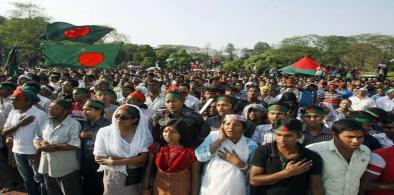
Fifty years after its liberation from Pakistan, Bangladesh is the reverse image of the country it broke away from -- a moderate Muslim majority nation anchored in its liberal syncretic Bengali culture that guided its 1971 secession from Pakistan, writes Subir Bhaumik for South Asia Monitor
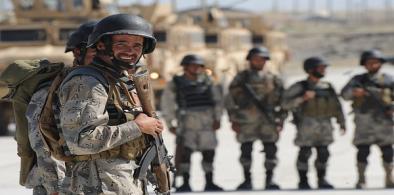
In stark contrast with Pakistan, which relied on hard power tools to pursue its foreign policy goals in Afghanistan, India opted for the soft power strategy --winning hearts and minds of Afghans by investing in common people through culture, building state capacities, and training and educating a new young professional Afghan class, writes Shraddha Nand Bhatnagar for South Asia Monitor
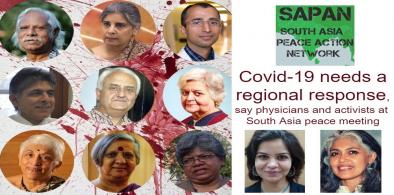
Collectively the peacebuilders, physicians and public-health activists from across South Asia noted that inequity is the key challenge and asked their governments to address it properly so that the lessons of the past year are not forgotten, writes Rida Anwar for South Asia Monitor

In Zoramthamga, a former rebel leader and now chief minister of India's northeastern state of Mizoram, India has a potential mediator who has close links with all stakeholders in Myanmar, including the Tatmadaw and Aung Saan Suu Kyi's NLD, writes Subir Bhaumik for South Asia Monitor
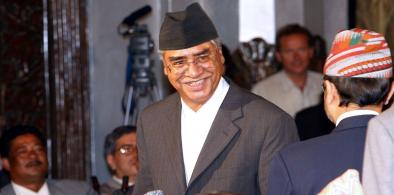
The upheaval in Nepalese politics over the past few months has occurred following a power tussle within the ruling Communist-led dispensation despite the best efforts of Hou Yanqi, China’s ambassador to Nepal since 2018 to resolve it, writes Lt Gen P. C. Katoch (Retd) for South Asia Monitor
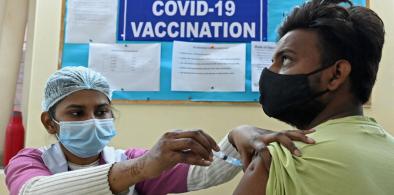
Unlike the US, vaccine hesitancy among large sections of the population is not an issue in India, but production is, writes Frank F. Islam for South Asia Monitor
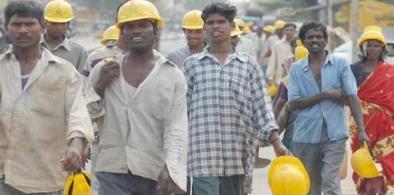
Labor economists and various surveys have said the pandemic and consequent job and income losses have pushed tens of millions of Indians into poverty in the last few months, writes Vaibhavi Pingale for South Asia Monitor
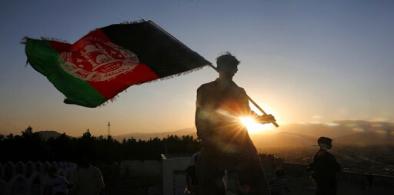
I believe that as an Afghan and as a youth, after the full withdrawal of US troops from Afghanistan, no pretext and justification will exist for the Taliban to continue the war - the jihad against a foreign power, writes Bator Arsalan for South Asia Monitor