Pakistanis call Karachi 'Mini Bangladesh'. There are about 132 Bengali colonies in and around Karachi, the largest city in Pakistan, writes Rakib Al Hasan for South Asia Monitor



Abbottabad itself is symbolic. Just 30 miles north of Islamabad, along the historic Karakoram Highway, it is home to Pakistan’s premier military academy. For bin Laden to live there undetected is not simply a mystery—it is a reminder of the uncomfortable realities of counterterrorism

Amid strategic challenges from Beijing in Bangladesh, New Delhi cannot separate border management with foreign policy. New Delhi should hold high-level dialogue with Dhaka and develop a cooperative roadmap to facilitate the identification and repatriation of undocumented migrants from India.

The visit therefore should not be viewed simply as another bilateral defence engagement. It represents an attempt by New Delhi to institutionalise India's security relationship with Sri Lanka, while simultaneously reassuring Colombo that India's expanding security interests need not threaten Sri Lankan sovereignty.

Belgium views India as an opportunity to reduce its economic dependence on China and limit vulnerability to developments in the United States. India offers scale, growth, industrial capacity and ambition, while Belgium offers technology, specialised expertise, logistics and access to the European market.
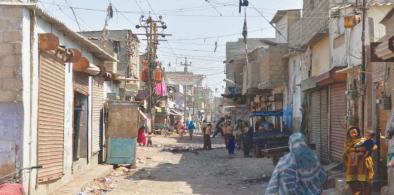
Pakistanis call Karachi 'Mini Bangladesh'. There are about 132 Bengali colonies in and around Karachi, the largest city in Pakistan, writes Rakib Al Hasan for South Asia Monitor
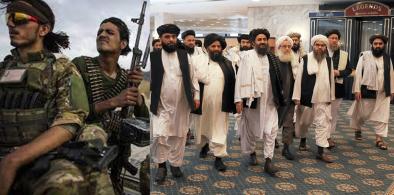
Although the Taliban has captured at least 33 district centers in the last two months, they have no capacity, manpower, and resources to run big cities. They had tried in the past and failed miserably, writes Shraddha Nand Bhatnagar for South Asia Monitor
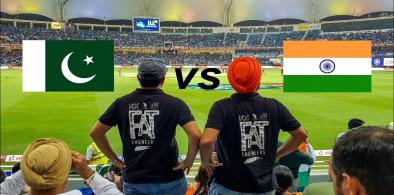
If GCC countries other than UAE -- like Saudi Arabia and Oman -- can emerge as important cricketing venues, their soft power appeal is likely to further get strengthened, especially vis-à-vis South Asia, writes Tridivesh Singh Maini for South Asia Monitor
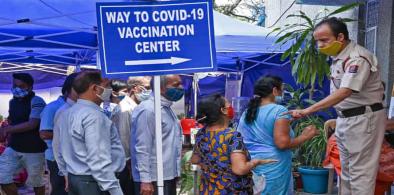
The government needs to decentralize health administration by empowering local health infrastructure for a fair distribution of vaccine doses so that they penetrate hard-to-reach groups, write Abhinav Mehrotra and Dr. Biswanath Gupta for South Asia Monitor
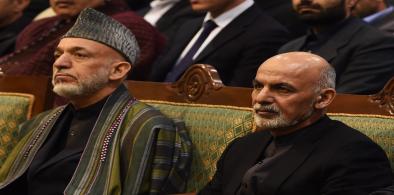
Whether the Taliban will accept Karzai, a man with considerable charisma, distinctive and much written about capes and lambskin hat, is still not clear. But he has struck a highly conciliatory note, writes Mahendra Ved for South Asia Monitor

While South Asia has to grapple with deep-seated inequalities and vulnerabilities, the pandemic also provides an opportunity to find a path towards a more equitable and robust recovery, writes Partha Pratim Mitra for South Asia Monitor

The P 305 tragedy ought to be the catalyst for radical reforms in India's offshore support sector, writes Commander Anand B Kulkarni (retd) for South Asia Monitor
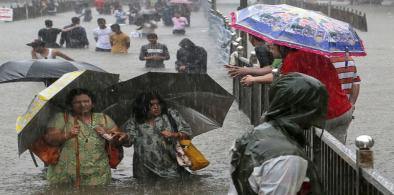
The implications are straightforward: With rising levels of carbon dioxide in the future, there will be stronger rains with potentially destructive outcomes in the South Asian region, writes N. Chandra Mohan for South Asia Monitor
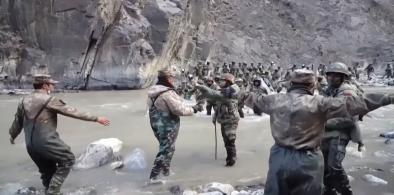
India needs to deter China through a combination of its military prowess, discerning diplomatic action, and devising ways to become economically self-reliant with investment partnerships and collaborations with like-minded nations, writes Indu Saxena for South Asia Monitor
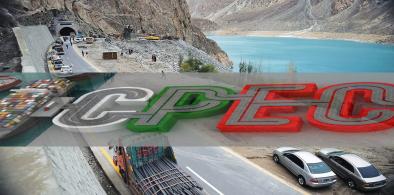
China is also keen to extend the coverage of CPEC and Belt and Road Initiative (BRI) to Afghanistan. This expansion of China’s footprint would be a matter of huge concern for both the US and India, writes Amb Ashok Sajjanhar (retd) for South Asia Monitor
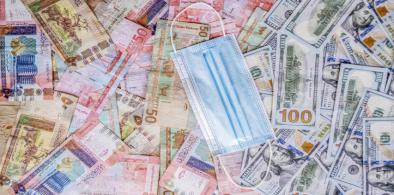
In 2021, there could thus actually be a drop in remittances - more so after the second wave of Covid 19, and the recent travel restrictions imposed by many countries including those in the Gulf on travelers from South Asia, write Tridivesh Singh Maini and Karan Bidani for South Asia Monitor
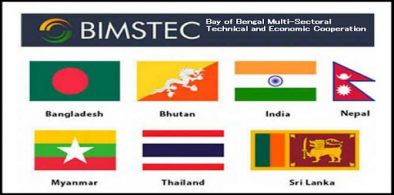
BIMSTEC gained importance and traction after progress in SAARC (South Asian Association for Regional Cooperation) got stalled following heightened frosty ties between India and Pakistan, writes Ranjana Narayan for South Asia Monitor
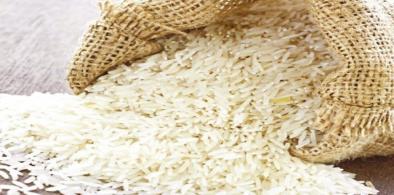
Although India controls two-thirds of the global Basmati market, competition between the nations has grown in recent years as Pakistan increases sales to Europe, writes Mahendra Ved for South Asia Monitor

India must augment science and technology transfer and research cooperation in space with nations like Saudi Arabia, Israel, UAE, Bahrain and Qatar, writes Aneek Chatterjee for South Asia Monitor
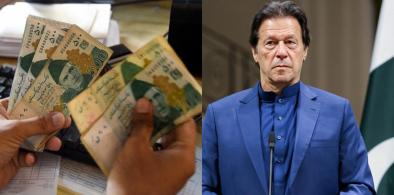
As there are 110 million youth in the country, there is a need for generating two million jobs every year to absorb them, the finance minister said, adding that “if we do not go into growth mode, we will have a major crisis on the streets”, writes N. Chandra Mohan for South Asia Monitor