Hasina, now basking in the glory of having led Bangladesh to phenomenal economic and human development progress in the golden decade of development, has her task cut out, writes Subir Bhaumik for South Asia Monitor


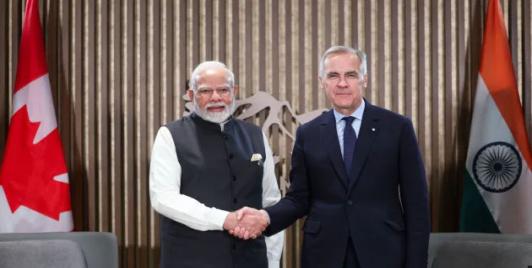
Canada hosts close to 1.9 million persons of Indian Origin (PIOs) and 3% of Canada’s population, one of the largest ethnic groups in Canada’s multiethnic and multicultural society. Although immigration policy of Canada has tightened in recent years, yet a lot of students who study in Canada prefer to stay back and work in Canada acquiring permanent residency and citizenship.
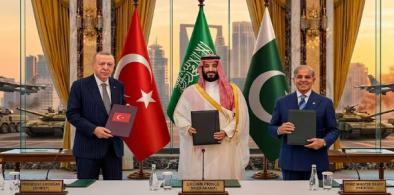
It would also explain why Pakistan is trying to preserve a distinction between supporting Saudi Arabia and fighting the Houthis. Pakistan has every reason to avoid another open-ended conflict in the Middle East. Its military is heavily committed to its own security challenges. Its economy cannot easily absorb the political and financial consequences
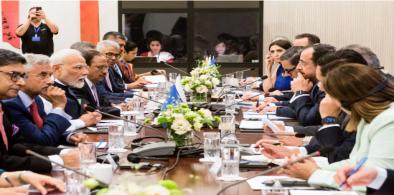
EU and India could establish a regular EU–India-Middle East Consultative Mechanism involving foreign-policy officials and experts. Its purpose would be to coordinate positions before major international gatherings and meetings.

For Sri Lankan politics, this is more than diplomatic sightseeing. It raises a fundamental question whether the JVP is developing a sophisticated strategy of balancing relations with India and China or is it gradually adapting itself to the organisational models of powerful one-party or dominant-party systems in China and India respectively?
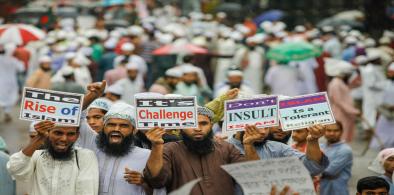
Hasina, now basking in the glory of having led Bangladesh to phenomenal economic and human development progress in the golden decade of development, has her task cut out, writes Subir Bhaumik for South Asia Monitor
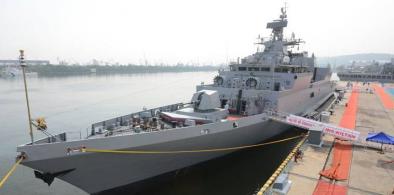
Over the last year, both UK and Germany have also indicated that they propose to send their naval units to the IOR periodically for joint exercises, given the salience now accorded to the Indo-Pacific as a region, writes Cmde C Uday Bhaskar (retd) for South Asia Monitor
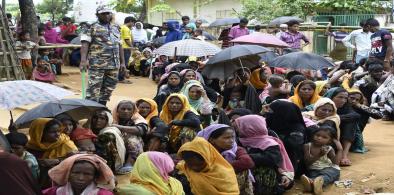
This is another aspect of the ‘Idea of India' on which the ruling party differs from the views of its opponents who swear by India’s multicultural society against the “one nation, one people, one culture” concept of the Hindu right, writes Amulya Ganguli for South Asia Monitor
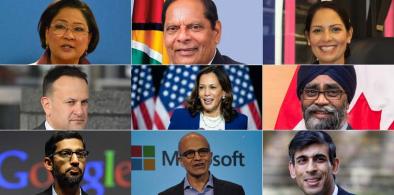
It is simplistically assumed that no matter what, the overseas Indian considers himself/herself to be, first and foremost, Indian. When the person does not conform to such expectation, there is a sense of betrayal and of feeling let down, writes Amb Amit Dasgupta (retd) for South Asia Monitor
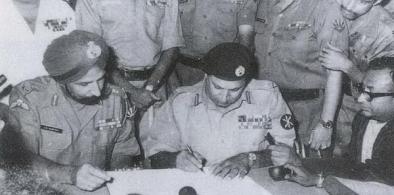
The five-year effort of Justice Rehman and two high court chief justices, and their damning indictment, seem to have made no impact either on the political class or the military in Pakistan in the long run, writes Mahendra Ved for South Asia Monitor
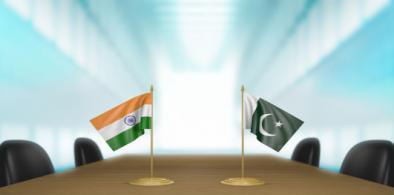
Had the Pakistan government had the moxie to act on recent thawing developments on the trade front, it could have given a golden opportunity for both nations to start discussions and dialogue, opening new doors to enhance bilateral, social, political, and economic relations, writes Asif Rameez Daudi for South Asia Monitor
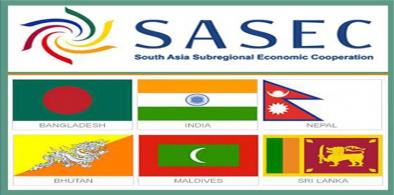
The COVID-19 pandemic which has brought about a common set of challenges to all countries of the South Asia region necessitates the need for developing and strengthening a common agenda for trade and economic cooperation, writes Partha Pratim Mitra for South Asia Monitor
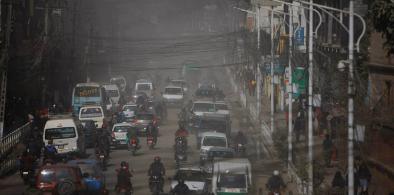
Nepal has all the right to claim compensation from its two neighbouring countries – China and India - two of the world’s biggest polluters, write Jivesh Jha & Alok Kumar Yadav for South Asia Monitor
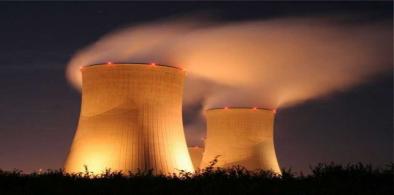
Pakistan is in a position not only to use nuclear energy for its national programmes for development and progress, but also can provide assistance to other countries of the region in the peaceful uses of nuclear energy, writes Rabia Javed for South Asia Monitor
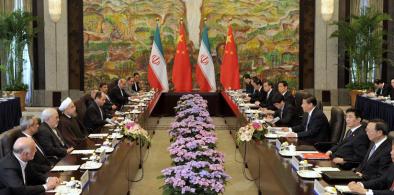
The PLA presence in Iran, which may rise, should be seen in conjunction with PLA presence in Pakistan, Sri Lanka, and in the garb of civilians in development projects around the world, the Middle East and Oman included, writes Lt Gen Prakash Katoch (retd) for South Asia Monitor
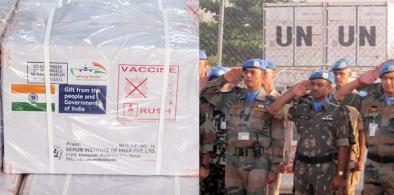
India’s initiative in supplying vaccines to UN peacekeeping forces and also to a large number of poor countries is a masterstroke of Narendra Modi’s government in vaccine diplomacy, writes Rajendra Shende for South Asia Monitor
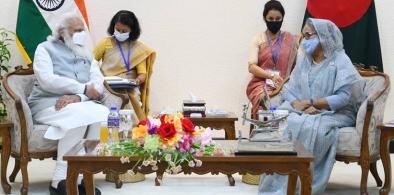
The Modi visit, as well as previous high-level visits on both sides, have without any shadow of doubt made these two neighbours secure a bilateral partnership that can potentially lead to a larger regional role with greater possibilities, writes Sreeradha Datta for South Asia Monitor
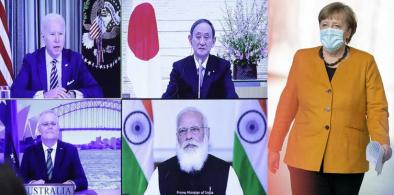
The EU, part of the western alliance, can no longer remain a balancing power between America, the Quad and China, writes Amb Bhaswati Mukherjee (retd) for South Asia Monitor
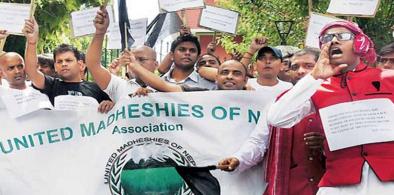
The Terai autonomy movement has been going on since 2007 and has recently gained traction with the armed outfit renewing its political vows at a time when Nepal is facing a host of internal issues, writes Shushant VC for South Asia Monitor

Prime Minister Modi clearly laid out the importance of collective responsibility towards water conservation in February. He called for a 100-day campaign to clean up water bodies and prepare them for rainwater harvesting before the monsoon of 2021, writes Rajendra Shende for South Asia Monitor