The evidence indicates that the increase in state borrowing over the past decade is best understood as the outcome of a changing fiscal federal system rather than simply an expansion of welfare politics.


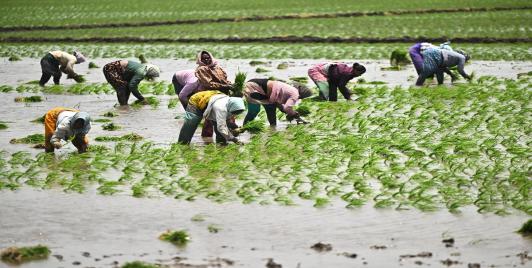
South Asia needs stronger regional cooperation because weather shocks, food prices and agricultural trade do not stop at national borders. Governments should share seasonal forecasts, river-basin information and climate-risk data, while strengthening coordination on flood warnings and drought preparedness.
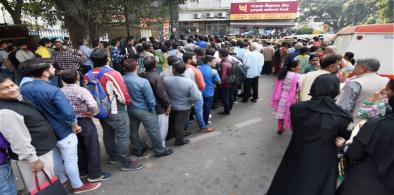
Looking back, there is little reason for the Indian government to be proud of this episode. People’s trust was met with disruption whose full costs remain unreckoned and whose promised benefits have never received a convincing consolidated accounting. Indians rebuilt their livelihoods and moved on. Their resilience cannot absolve the government.
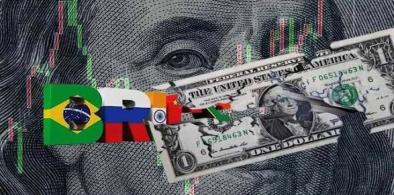
Lula’s re-election spared BRICS from an internal fracture at a moment when energy routes are contested and financial dependence carries higher costs. As Trump pressures countries back into Washington’s orbit, Lula’s Brazil keeps one of the few organized efforts toward currency diversification from stalling.
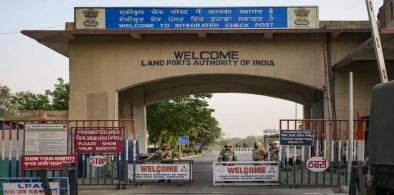
Trade cannot substitute for peace, and people-to-people relationships cannot resolve territorial disputes. But preserving economic and social channels of communication can prevent political disagreements from becoming a permanent condition of societal separation.
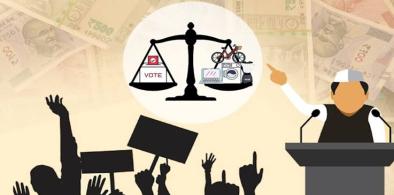
The evidence indicates that the increase in state borrowing over the past decade is best understood as the outcome of a changing fiscal federal system rather than simply an expansion of welfare politics.
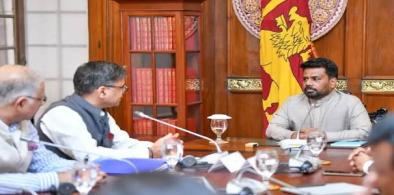
For India, delays in its strategic projects are not merely bureaucratic setbacks but a matter of national security. Colombo’s motives remain opaque, but for New Delhi, a presence in Sri Lanka’s North and East is non-negotiable.
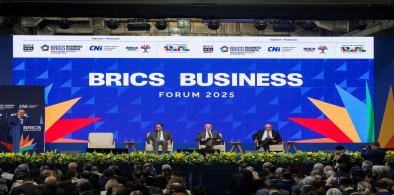
India could potentially become a bridge between regional economies and the wider Asian and Global South payment architecture. Greater interoperability could support remittances, tourism, trade and financial inclusion while reducing some transaction costs.
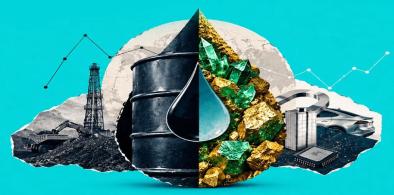
Critical minerals are not literally the new oil, but they may play a comparable role in defining the balance of power. The race has already begun, and India’s preparedness will determine whether it merely secures access to the resources of the new century or helps shape the industrial order that emerges from them.
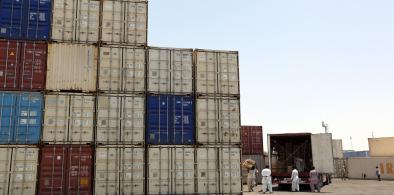
Afghanistan has sought to limit or reduce its structural vulnerability by moving trade through Iran’s Chabahar Port and Central Asian corridors. Kabul is realigning Afghanistan’s external economic geography by looking towards Iran, Central Asia, China and India.

The current rise in Indian sugar prices is the result of several factors rather than ethanol alone. Lower-than-expected production—from an initial estimate of 343 LMT to about 306 LMT—is central to the supply concern. Weather damage, disease, festival demand, global prices and market speculation have added to the pressure.
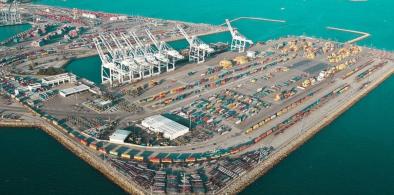
Chabahar will not transform Türkiye–India relations. It can, however, show whether two countries with serious political disagreements are capable of making one difficult commercial route work.
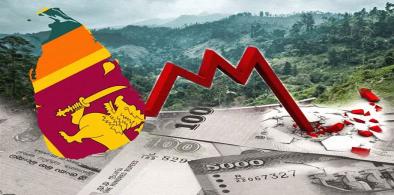
Sri Lankan economy is heading for a phase of slower growth due to neoliberal policy framework. Policy planners must rethink the suitability of neoliberal policies for a small developing country like Sri Lanka.
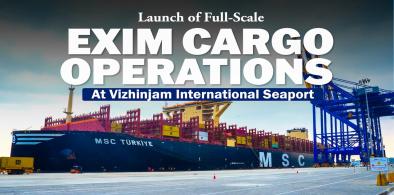
Another asset remains underutilised: the global Malayali diaspora. Few Indian states possess such an extensive international network. For decades, remittances have sustained Kerala's economy. The challenge now is to transform that relationship from remittance to investment.
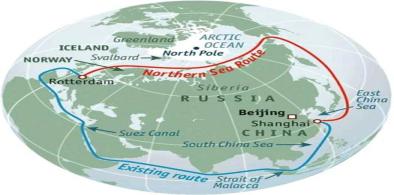
As Arctic ice retreats, geography itself is being rewritten. The Northern Sea Route illustrates how environmental change, technological innovation, commercial strategy, and geopolitics are converging to reshape international trade.
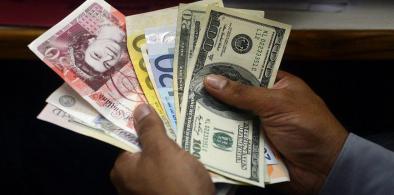
South Asia remains one of the least integrated regions in the world despite geographical proximity and complementary economic structures. Greater regional trade, improved transport connectivity, cross-border electricity markets, digital payment systems and investment partnerships could substantially reduce external vulnerabilities.
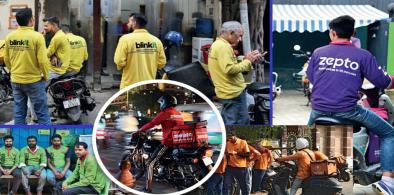
Between 2004 and 2023, India produced roughly five million graduates every year, but graduate employment increased by only around 2.8 million annually. Even fewer obtained salaried employment. Millions are either unemployed or working below their qualifications or in the waiting room for the elusive government job.

Policy instability during the 2015-2024 likely pushed back Sri Lanka’s path towards becoming South Asia’s first High-Income Country. The 2022 financial crisis would never have happened as stable growth during the first half of 2015–2024 would have built enough buffer to weather impact of the Covid pandemic
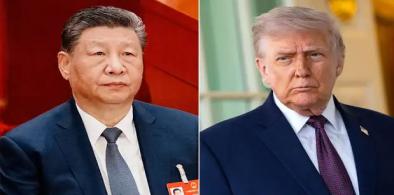
China’s Belt and Road Initiative - which funded Sri Lanka’s Hambantota Port through loans resulting in a 99-year lease to Chinese State-owned enterprise in 2017 due to Colombo’s struggle to service said loans - follows the same expansionary script.
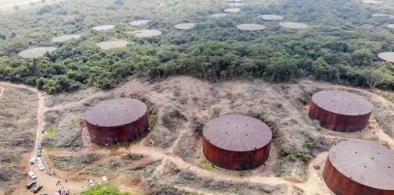
If one location matters most to India in Sri Lanka, it is Trincomalee. With one of the finest natural harbours in the world, Trincomalee has immense commercial, naval, and energy value. For decades, strategists in New Delhi have viewed it as critical to the security architecture of the Bay of Bengal.