In another warning to the United Nations (UN), Islamabad's envoy to the world body warned of Indian false flag operations against the country to justify its aggression towards Pakistan


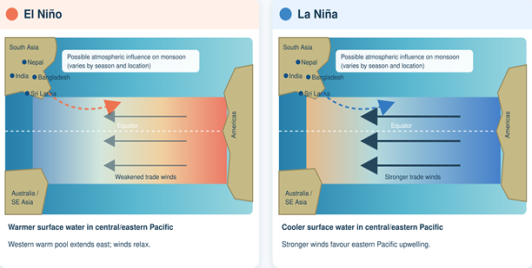
AI may genuinely extend the horizon over which seasonal climate risk can be estimated. For communities across South Asia living under the influence of the monsoon, a longer view could mean the difference between a farmer adjusting her planting in time and a family receiving a flood warning too late to act.
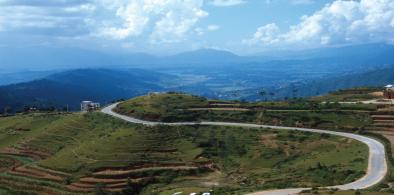
The broader lesson for South Asia is equally important. Hilly regions cannot be developed simply by transferring lowland infrastructure models into mountainous terrain. Investment has to respond to local economic systems, geography and environmental risks.

The UN's 2026 report warns that “long-term water use has exceeded renewable inflows and safe depletion limits,” leaving some water supplies beyond recovery. As the world’s largest groundwater extractor, India sits at the centre of this reckoning

The larger economic choice for South Asia is therefore broader than whether to participate in carbon trading. The region can remain primarily a supplier of relatively inexpensive mitigation outcomes, or it can also develop the technology, professional capacity, financial products and verification systems that determine what those outcomes are worth.
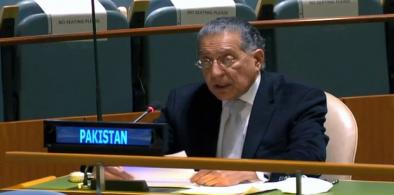
In another warning to the United Nations (UN), Islamabad's envoy to the world body warned of Indian false flag operations against the country to justify its aggression towards Pakistan

India is one of the world's best assets in the fight against COVID-19 because of its ability to supply the vaccines needed to fight the pandemic and the UN counts on it, according to Secretary-General Antonio Guterres
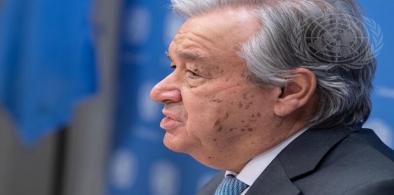
UN Secretary-General Antonio Guterres has again offered his “good offices” to India and Pakistan to resolve their problems, even though New Delhi has rejected his involvement in bilateral disputes
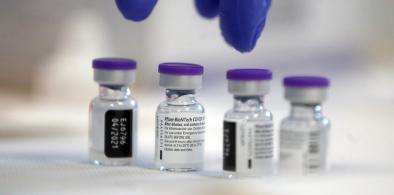
Bangladesh has urged the World Health Organization (WHO), GAVI-the Vaccine Alliance, CEPI and the Unicef to play a visible and effective role to ensure the supply of the Coronavirus vaccines under the Covax facility to the developing countries, particularly the low and the middle-income countries, urgently
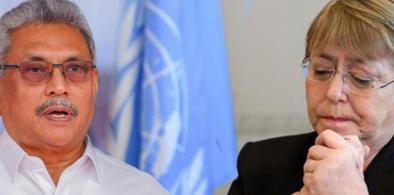
A new UN report published on Wednesday warning that human right violations are increasing in Sri Lanka called on the international community to enhance monitoring and take measures to prevent recurrence of the policies and practices that gave rise to grave human rights violations in the past
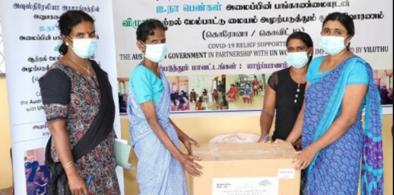
According to the UN Women in Sri Lanka, while the COVID-19 pandemic has highlighted the urgency of economic empowerment for women and girls all over the world, there is a particular urgency to address the challenges being faced by female-headed households, which make up over a quarter of Sri Lankan homes
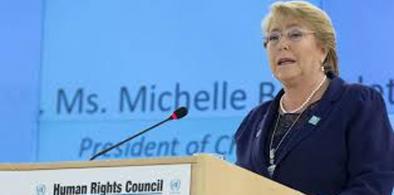
The United Nations Commissioner of Human Rights have called Sri Lanka and the Tamil Tigers to be investigated and prosecuted for ‘crimes against humanity’ and targeted sanctions against officials
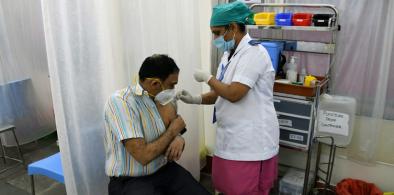
US Secretary-General Antonio Guterres has reiterated his call for equitable access to COVID-19 vaccines as the global caseload has surpassed the 100 million mark, another grim milestone as the pandemic rages on
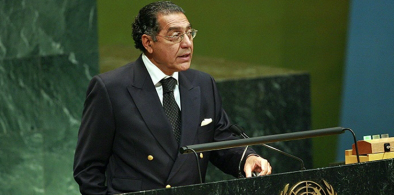
As India, Brazil, Germany and Japan put forward efforts to reform the 15-member body of the United Nations Security Council (UNSC) and add seats of new permanent members, Pakistan has opposed the idea, stating that it would "kill the consensus-based process to make it more effective, representative and accountable."
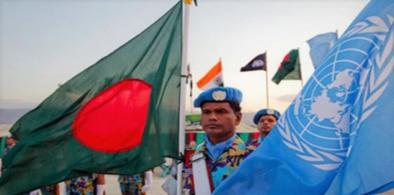
Bangladesh's Permanent Representative to the UN Ambassador Rabab Fatima reiterated her country's deep commitment to the peacebuilding and sustaining peace efforts of the UN
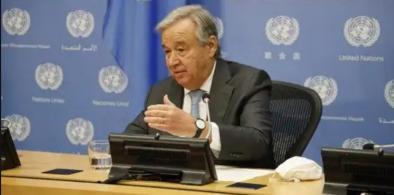
In reaction to the Republic Day farmer protests in Delhi that turned violent, UN Secretary-General Antonio Guterres has called for non-violence and for respecting peaceful protests

Bangladesh's economy will return to the high growth trajectory in the next fiscal year overcoming the scarring impacts of the coronavirus pandemic, according to a United Nations report
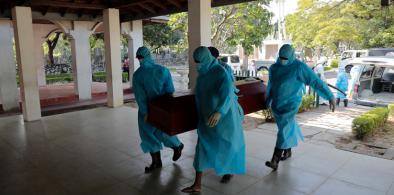
UN human rights experts today urged the Sri Lankan Government to end its policy of forced cremation of the COVID-19 deceased, saying it ran contrary to the beliefs of Muslims and other minorities in the country, and could foment existing prejudices, intolerance and violence
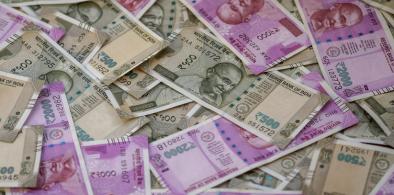
The United Nations sees the Indian economy recovering by 7.3 per cent this calendar year after a coronavirus-driven fall of 9.6 per cent last year
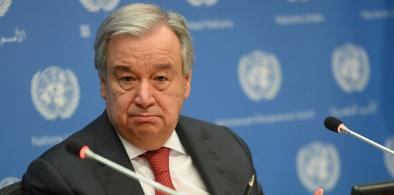
After reports of a confrontation between their troops along the border in the Sikkim region, UN Secretary-General Antonio Guterres hopes that India and China can reduce tensions through dialogue, according to his Spokesperson Stephane Dujarric