Pakistan's Chief of Army Staff General Qamar Javed Bajwa on Tuesday lauded Beijing's assistance to Pakistan for tackling the coronavirus, during a meeting with a delegation of the Chinese Army, the military's media wing said


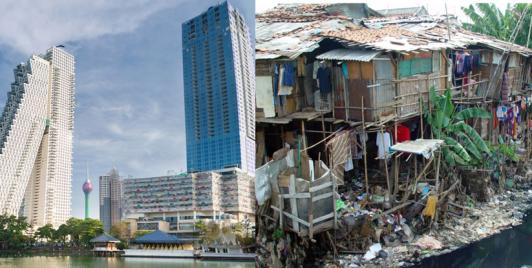
In 2025, Sri Lanka was ranked as the second most expensive housing market in the world based on rentals compared to average income. It is possible that market distortions caused by black economy and corruption have contributed to this.
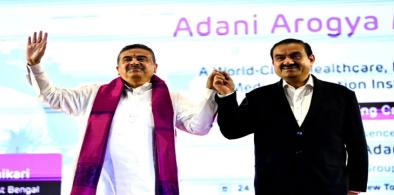
The larger opportunity before West Bengal is therefore not another round of infrastructure creation in isolation. It is the creation of an ecosystem in which infrastructure, private capital, local enterprise and skilled labour reinforce one another.
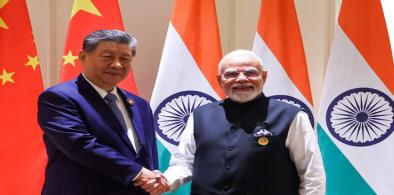
Why not begin by reopening serious discussions with Chinese conglomerate BYD about an Indian factory? BYD is now one of the world’s dominant EV manufacturers. Its Indian ambitions were caught in the post-Galwan investment freeze. Invite it back to the table—but on Indian terms
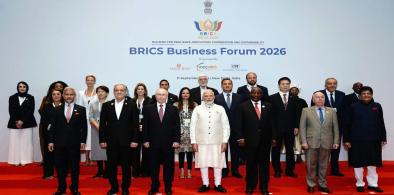
But the choice test applies to India as much as to the countries it hopes will follow its lead. If BRICS genuinely widens India's menu of markets, technology partners and financing sources without deepening its dependence on any one of them, it becomes a credible model for the rest of the Global South.
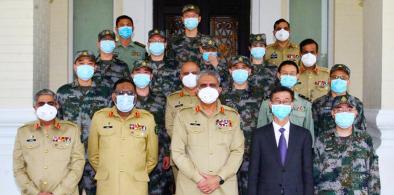
Pakistan's Chief of Army Staff General Qamar Javed Bajwa on Tuesday lauded Beijing's assistance to Pakistan for tackling the coronavirus, during a meeting with a delegation of the Chinese Army, the military's media wing said
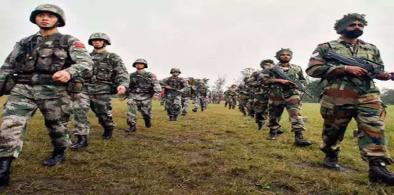
After 11 hours-long corps commander-level talks between India and China, Indian government sources on Tuesday said that the dialogue was held in a cordial, positive and constructive atmosphere and there was a "mutual consensus to disengage"
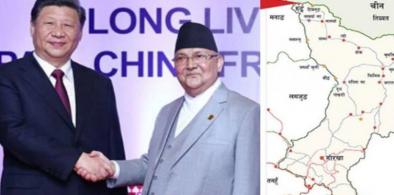
China has occupied a village of Nepal and allegedly removed the boundary pillars to legitimise its annexation, top government sources said on Tuesday
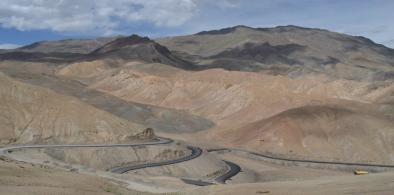
The dominant sentiment among the people living near the LAC in Ladakh is that China must not get away with its transgressions
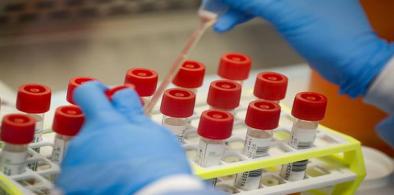
The polymerase chain reaction (PCR) test kits procured by the Nepal Army from China are incompatible with most testing machines in the country, according to the Health Ministry officials
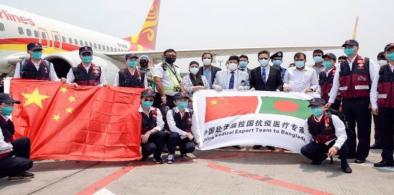
China will submit four specific reports to Bangladesh containing recommendations on how Bangladesh can better deal with the coronavirus situation
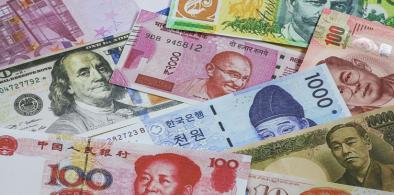
The Indian government is said to be mulling a plan to frame stricter and thorough scrutiny of investments from China, which use indirect routes to reach India
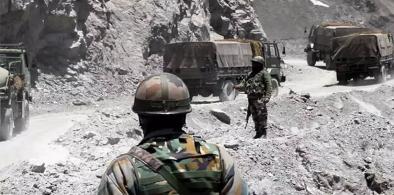
Over thousands of Indian Army men stand a few metres away from Line of Actual Control against Chinese People's Liberation Army even as corps commanders of two countries' military meet at Moldo on Monday to resolve the border issue and ease tension in Eastern Ladakh
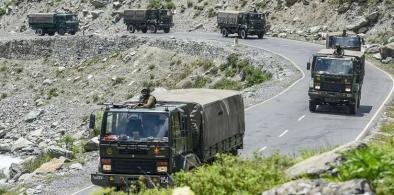
A day after Indian media reported that India had handed over dead bodies of 16 Chinese soldiers to the People's Liberation Army (PLA), China on Monday for the first time admitted that it lost "less than 20" troops during the violent face-off along the Line of Actual Control (LAC) in Ladakh last week
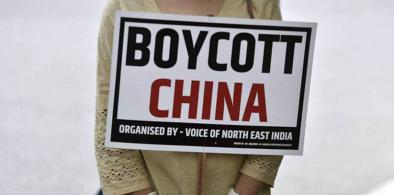
The Maharashtra government has put on hold three major agreements signed with Chinese companies at the recently concluded Magnetic Maharashtra 2.0 investor meet, officials said

Amid the rising India-China border tensions and a phishing attack alert by the Indian Computer Emergency Response Team (CERT-In), a key Indian government business department's website was hacked on Monday
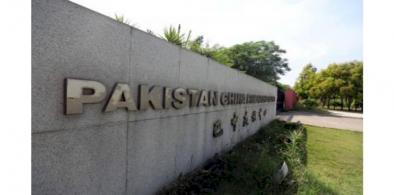
Islamabad is unlikely to take any action on companies -- mainly Chinese firms-involved in high-level corruption in the power sector
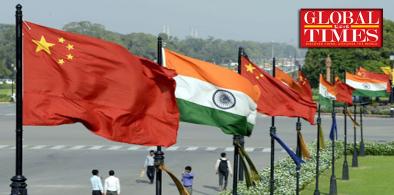
One can only be surprised by the English-speaking Chinese media's coverage of the latest deadly border clash on June 16 between the Indian and Chinese armies in Ladakh
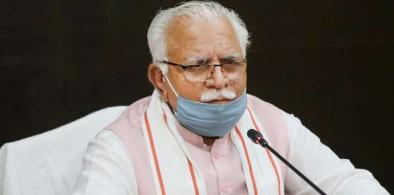
The BJP-led Haryana government has cancelled contracts with Chinese companies for installing pollution control equipment worth Rs 780 crore at two of its thermal power facilities in the wake of heightened tension between the two neighbours
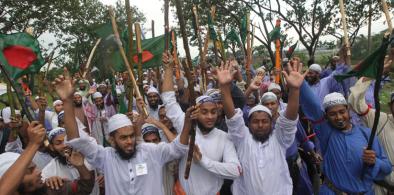
Citizens of Bangladesh are not happy even as China offered to exempt tariff on 97 percent of the products made in their country